
 Save
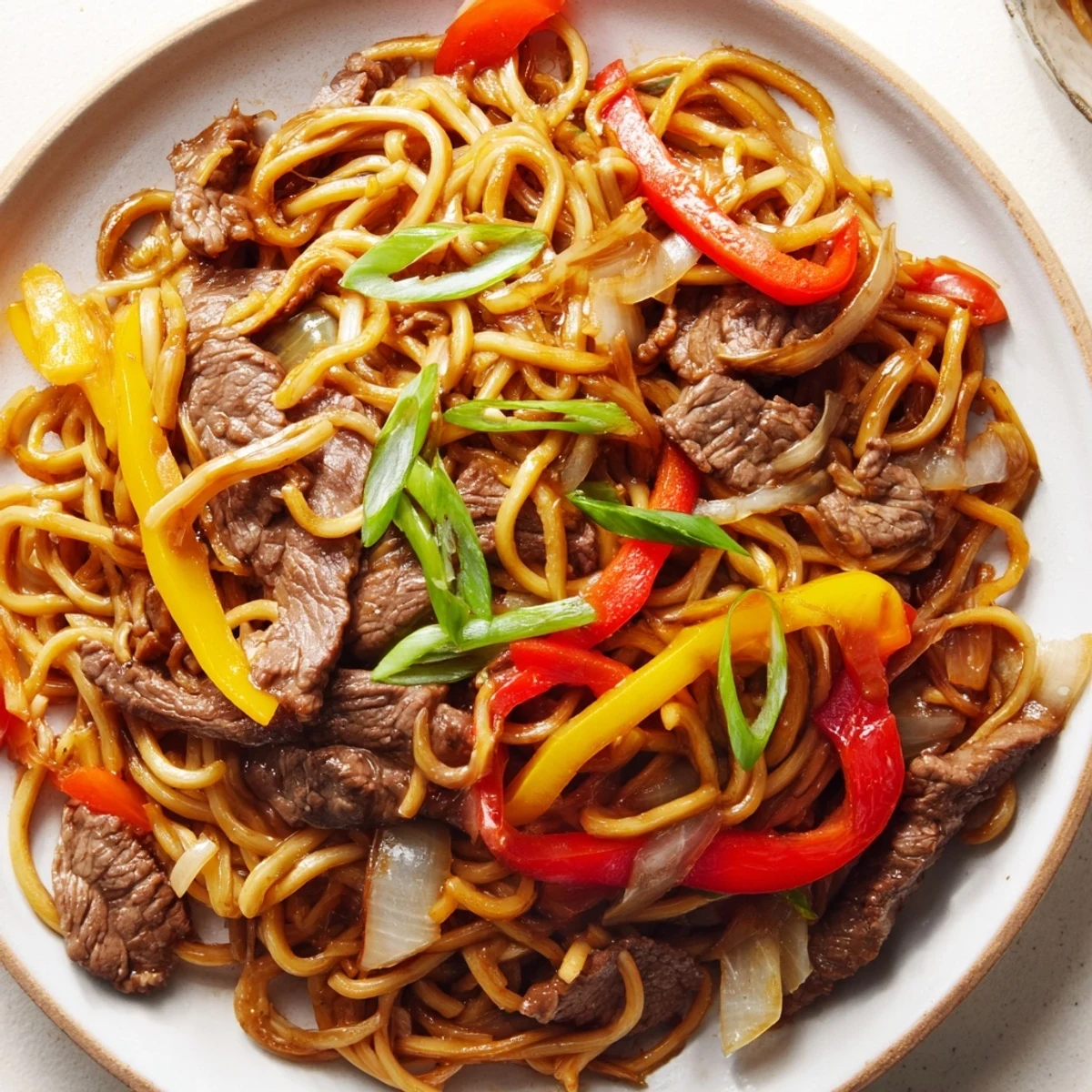
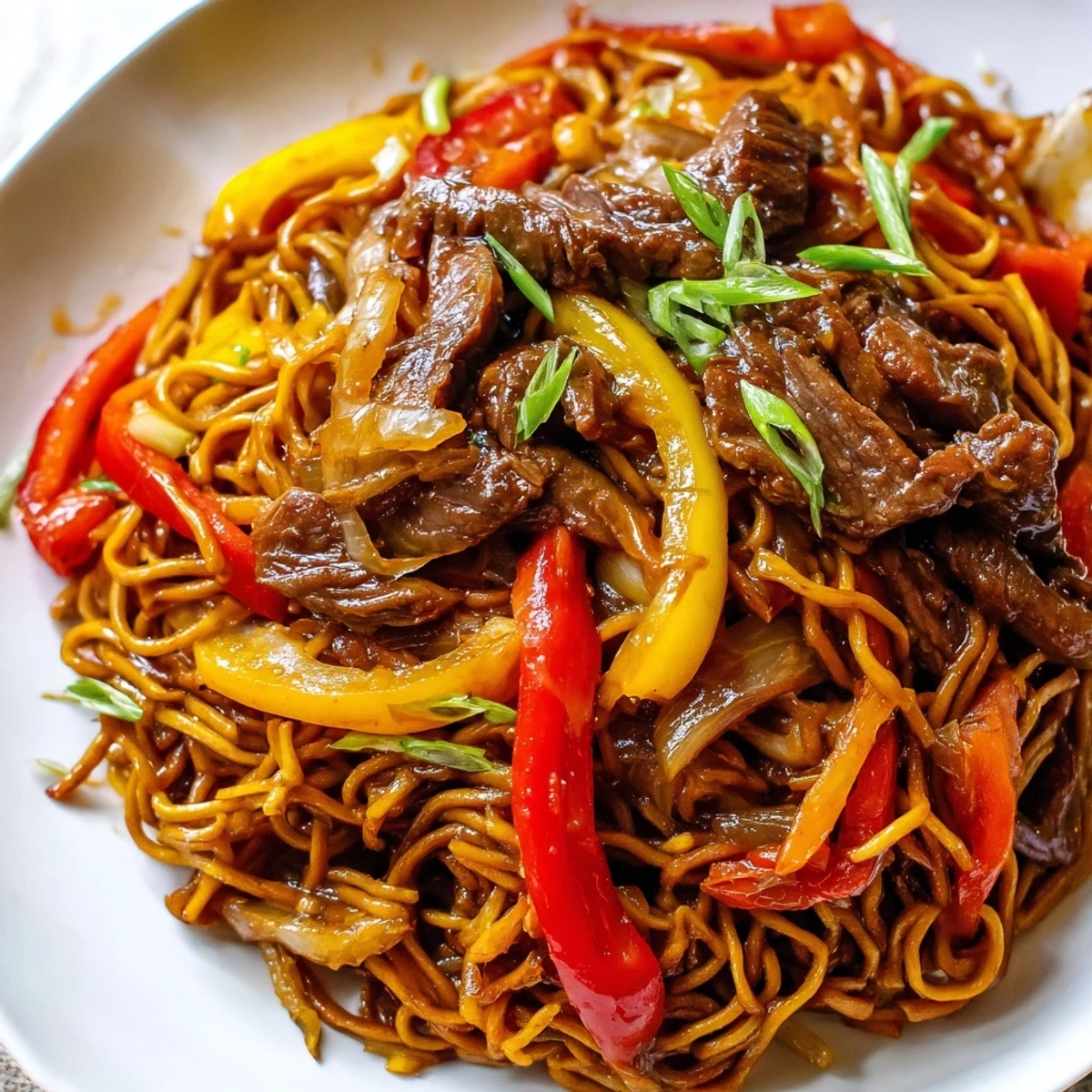
Save This beef chow mein brings together tender strips of sirloin, colorful bell peppers, and aromatic onions in a quick stir-fry. The noodles get coated in a balanced sauce combining soy, oyster, and hoisin flavors with a hint of sesame. Ready in just over half an hour, this Chinese-inspired main dish offers perfect texture contrast—crisp vegetables, tender beef, and satisfying noodles. High heat cooking keeps everything vibrant while the sauce ties all components together into a cohesive meal.
The sizzle of beef hitting a screaming hot wok is one of those sounds that instantly transports me back to Saturday afternoons in my tiny apartment kitchen, window cracked open even in winter because the ventilation was hopeless. I learned this dish from a handwritten recipe card tucked inside a secondhand wok I bought at a garage sale, stained with soy sauce fingerprints from someone I never met. Something about those faded ink strokes made me trust it immediately, and I have never looked at takeout menus the same way since.
My roommate Dave once stood in the kitchen doorway watching me toss noodles airborne and catch most of them, applauding the ones that landed on the stove. He claimed it was the best thing I had ever cooked, and honestly I think the theatrics earned me extra points. We ate standing up, chopsticks in hand, barely bothering with plates.
Ingredients
- 350 g beef sirloin: Thinly slice against the grain and the beef stays buttery tender even with a quick sear.
- 2 bell peppers, red and yellow: The color combination is not just pretty, each variety brings a slightly different sweetness.
- 1 large onion: Thin slices caramelize fast in a hot wok and add a natural sweetness that rounds out the sauce.
- 2 spring onions: Reserved for garnish, they add a fresh sharp bite that wakes up the whole plate.
- 2 cloves garlic and 1 thumb sized piece ginger: This aromatic duo is the backbone of nearly every great stir fry I have ever tasted.
- 300 g chow mein noodles: Egg noodles work beautifully as a substitute if your store does not carry traditional chow mein.
- 3 tbsp soy sauce: Use a good quality brand because this is the primary seasoning for the entire dish.
- 1 tbsp oyster sauce: This is the secret weapon that adds depth and a glossy finish to every strand of noodle.
- 1 tbsp hoisin sauce: A spoonful brings subtle sweetness and complexity that ties all the savory elements together.
- 1 tbsp sesame oil: Added to the sauce rather than the pan, its nutty aroma perfumes the whole dish without burning.
- 1 tsp cornstarch mixed with 1 tbsp water: This simple slurry thickens the sauce just enough to cling to the noodles.
- 1/2 tsp black pepper and 1/2 tsp sugar: Tiny amounts but they sharpen and soften the sauce in all the right places.
- 2 tbsp vegetable oil: Divided between the beef and the vegetables so nothing sticks and everything sears properly.
Instructions
- Mix the sauce first:
- Whisk together soy sauce, oyster sauce, hoisin, sesame oil, black pepper, sugar, cornstarch, and water in a small bowl until smooth and set it aside so flavors mingle while you prep everything else.
- Cook and drain the noodles:
- Follow the package directions for your chow mein noodles, then drain and rinse under cold water to stop the cooking and keep them from turning gummy.
- Sear the beef quickly:
- Heat one tablespoon of oil in your wok over the highest heat your stove allows, add the beef in a single layer, and stir fry for about two minutes until just browned on the outside then remove it immediately to prevent overcooking.
- Wake up the aromatics:
- Pour the remaining oil into the wok and toss in the garlic, ginger, and onion, stirring constantly for one minute until your kitchen smells incredible.
- Toss in the peppers:
- Add the sliced bell peppers and stir fry for two to three minutes, keeping them bright and slightly crisp so they still have a satisfying snap when you bite into them.
- Bring it all together:
- Return the beef to the wok, add the noodles and pour in the sauce, then toss everything vigorously for two to three minutes until every noodle is evenly coated and glistening.
- Finish with spring onions:
- Scatter the sliced spring onions over the top, give one final toss, and serve immediately while the wok fragrance is still hanging in the air.
 Save
Save The night I made this for my parents, my father went back for thirds and then quietly asked if I could teach him how to use a wok. That request from a man who spent decades convinced the kitchen was not his territory meant more than any compliment could convey.
Swap Ideas for Busy Nights
I have made this dish with chicken thighs, pressed tofu, and even large shrimp, and each version earns its own spot in my weekly rotation. Snow peas, julienned carrots, or a handful of bean sprouts slip in effortlessly when I want extra crunch without extra effort. The sauce recipe remains the same no matter what protein or vegetables you choose, which is the beauty of a truly adaptable stir fry.
What to Serve Alongside
A cold crisp lager is my go-to pairing because the carbonation cuts through the richness of the beef and the salty sauce. On quieter evenings a pot of jasmine tea beside the wok makes the whole meal feel more contemplative and grounded. Either way the noodles are substantial enough to stand alone, so keep sides minimal and let the stir fry be the star.
Getting the Wok Technique Right
The biggest leap in my stir fry confidence came when I stopped overcrowding the pan and started cooking in deliberate stages. Patience with the heat and restraint with the ingredients are the two lessons that transformed my results from soggy to restaurant quality.
- Let the wok sit over high heat for a full minute before adding oil so the surface is genuinely screaming hot.
- Keep your ingredients prepped and within arm reach because once you start cooking everything moves in seconds.
- Never walk away from a hot wok, your full attention is the most important ingredient in this recipe.
 Save
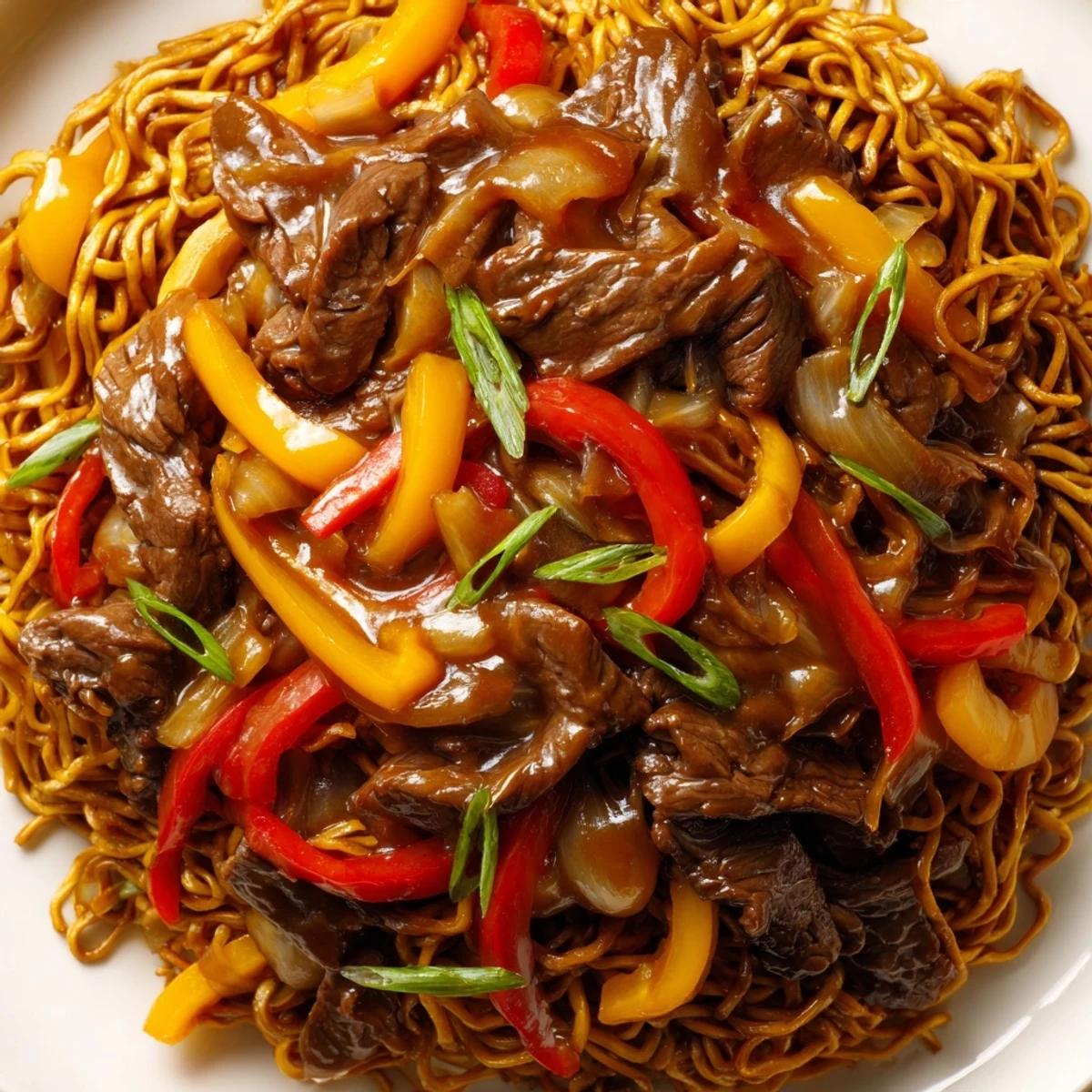
Save Some recipes earn a permanent place in your kitchen not because they are fancy but because they reliably bring people to the table with chopsticks ready and smiles already forming. This is one of mine, and I hope it becomes one of yours.
Recipe FAQs
- → What type of beef works best for chow mein?
-
Beef sirloin is ideal for chow mein due to its tenderness and quick cooking time. Slice it thinly against the grain for the most tender results. Flank steak or ribeye also work well if you prefer those cuts.
- → Can I prepare the sauce in advance?
-
Yes, you can mix the stir-fry sauce ahead of time and store it in the refrigerator for up to 3 days. This makes the actual cooking process much faster, as you'll have everything ready to toss together at the right moment.
- → What noodles should I use for chow mein?
-
Traditional chow mein noodles or egg noodles work best. Look for thin wheat-based noodles specifically labeled as chow mein. If unavailable, thin egg noodles or even linguine can be substituted successfully.
- → How do I prevent the beef from becoming tough?
-
Slice the beef thinly and cook it quickly over high heat just until browned. Avoid overcrowding the wok, which causes steaming instead of searing. For extra tenderness, marinate the beef briefly in soy sauce and cornstarch before cooking.
- → Can I add other vegetables to this dish?
-
Absolutely. Snow peas, bean sprouts, shredded carrots, or baby corn all complement this dish well. Add quick-cooking vegetables like snow peas during the last few minutes, while harder vegetables like carrots should go in earlier with the peppers.
- → Is there a substitute for oyster sauce?
-
If you need to avoid oyster sauce, you can use additional hoisin sauce mixed with a splash of fish sauce, or create a vegetarian version using mushroom sauce. The flavor profile will change slightly but remain delicious.