 Save
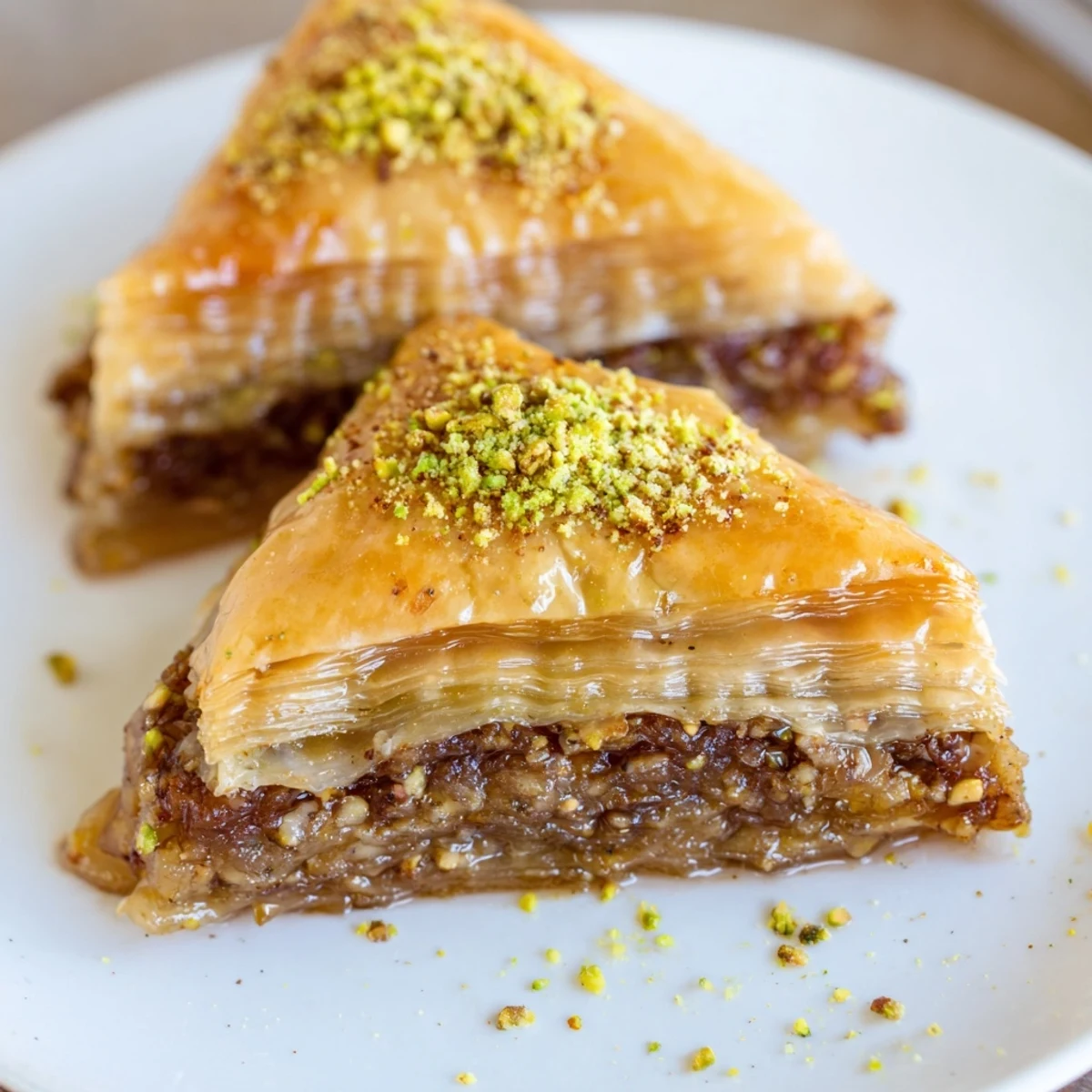
Save This traditional Bosnian dessert features delicate phyllo dough layered with a spiced mixture of walnuts, almonds, and pistachios, all soaked in a fragrant honey-lemon syrup. The result is perfectly crisp, buttery layers that absorb the sweet syrup for an indulgent treat that's ideal for celebrations.
The first time I attempted Bosnian baklava, my kitchen smelled like butter and warmth for days. My grandmother's neighbor from Sarajevo had scribbled her family recipe on the back of an old envelope, complete with coffee stains and measurements like 'a handful' and 'enough.' I learned that the magic isn't in perfect technique—it's in the patience of layering and the love poured into every butter-brushed sheet.
I brought this to a Eid celebration last year, and between the syrup-soaking time and the anticipation, my friends kept wandering into the kitchen 'just to check on it.' When we finally cut into those diamond-shaped pieces, the sound of crisp phyllo shattering was followed by complete silence. That first bite—warm, sticky, perfumed with rose water—ended with everyone asking for the recipe before they'd even finished their first piece.
Ingredients
- 500 g phyllo dough: Thaw completely in the fridge overnight if frozen, and keep it covered with a damp towel while working because dried-out phyllo cracks and your patience will disappear with it
- 250 g walnuts, 100 g almonds, 100 g pistachios: Pulse them in short bursts so they're finely chopped but not ground into paste—you want some texture in every bite
- 100 g sugar + 1 tsp cinnamon + 1/4 tsp cloves: This spice mixture is what gives Bosnian baklava its signature warmth that's slightly different from Greek versions
- 250 g unsalted butter, melted: Don't skimp here—every single layer needs butter, and I mean literally every single one
- 400 g sugar + 250 ml water + 100 ml honey + 1/2 lemon juice + 1 tbsp rose water: The syrup should be made while the baklava bakes, but timing matters because hot syrup goes onto hot pastry for maximum absorption
Instructions
- Prep your oven and pan:
- Preheat to 180°C (350°F) and generously butter your 23x33 cm pan, getting into all the corners.
- Mix the spiced nut filling:
- Combine all those beautiful chopped nuts with sugar, cinnamon, and cloves in a bowl, then set it aside where you can easily grab handfuls.
- Build the foundation layers:
- Lay down your first phyllo sheet, brush it with melted butter, and repeat 6–8 times—work quickly but gently, because phyllo tears if you look at it wrong.
- Add the first nut layer:
- Sprinkle exactly one-third of your nut mixture evenly across the buttered phyllo, right to the edges.
- Repeat the pattern:
- Layer and butter 4–5 more sheets, add another third of nuts, then repeat again with another 4–5 sheets and the remaining nuts.
- Finish with a buttery top:
- Layer your remaining phyllo sheets, buttering each one, and give that top sheet extra attention because it's going to get golden and gorgeous.
- Cut before baking:
- Use your sharpest knife to cut diamonds or squares—do this now because cutting through baked baklava is a disaster waiting to happen.
- Bake until golden:
- Bake for 35–40 minutes until it's deeply golden and smells like heaven itself.
- Make the syrup while it bakes:
- Boil sugar, water, and lemon juice for 8–10 minutes, then remove from heat and stir in honey and rose water—that floral note is absolutely essential.
- The magic moment:
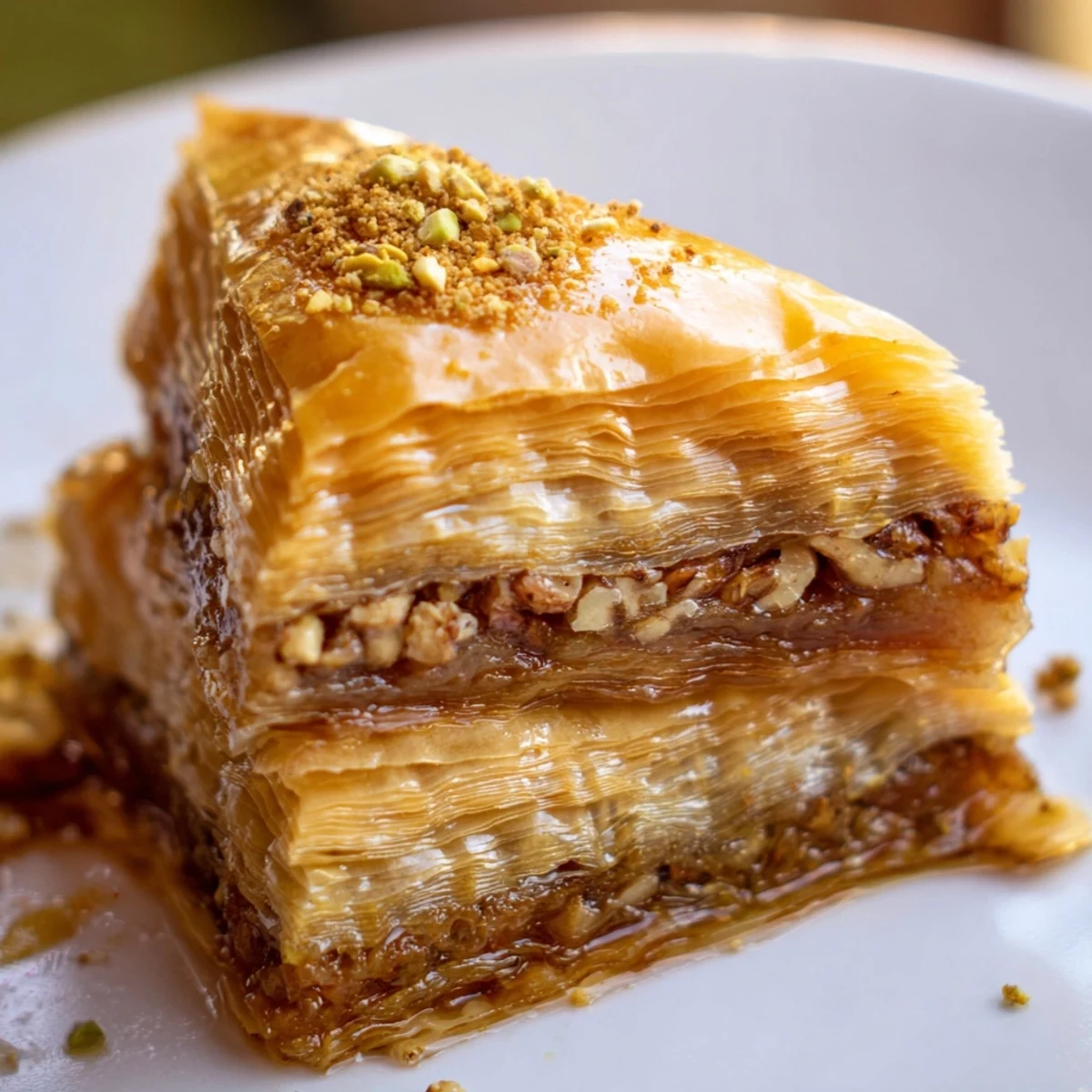
- Pour that hot syrup over your hot baklava immediately, listening for that satisfying sizzle, then let it cool completely so every layer can drink up all that sweetness.
 Save
Save My aunt once tried rushing the cooling process and ended up with a beautiful but disappointingly dry baklava because the syrup couldn't penetrate properly. Now we all treat the cooling time as sacred, usually sitting around the kitchen table with Bosnian coffee, inhaling the rose-scented steam rising from the pan and taking bets about whose piece will have the most nuts.
Making It Ahead
Baklava actually improves after a day or two, giving the syrup time to fully saturate all those buttery layers. I've made it the morning before a gathering, but the overnight rest is when it truly transforms into something legendary.
Serving Suggestions
Traditional Bosnian coffee is the obvious pairing, but strong black tea works beautifully too. Serve small pieces because this dessert is incredibly rich—one diamond is usually enough to satisfy even the sweetest tooth.
Storage and Substitutions
Store in an airtight container at room temperature for up to a week, though it rarely lasts that long in my house. If you're allergic to pistachios, hazelnuts make an excellent substitute, and the flavor profile stays just as authentic.
- If your phyllo sheets tear, just patch them together—no one will notice once it's layered and baked
- Room temperature butter brushes more evenly than melted straight from the fridge
- The syrup should be slightly thickened but still pourable, like warm honey
 Save
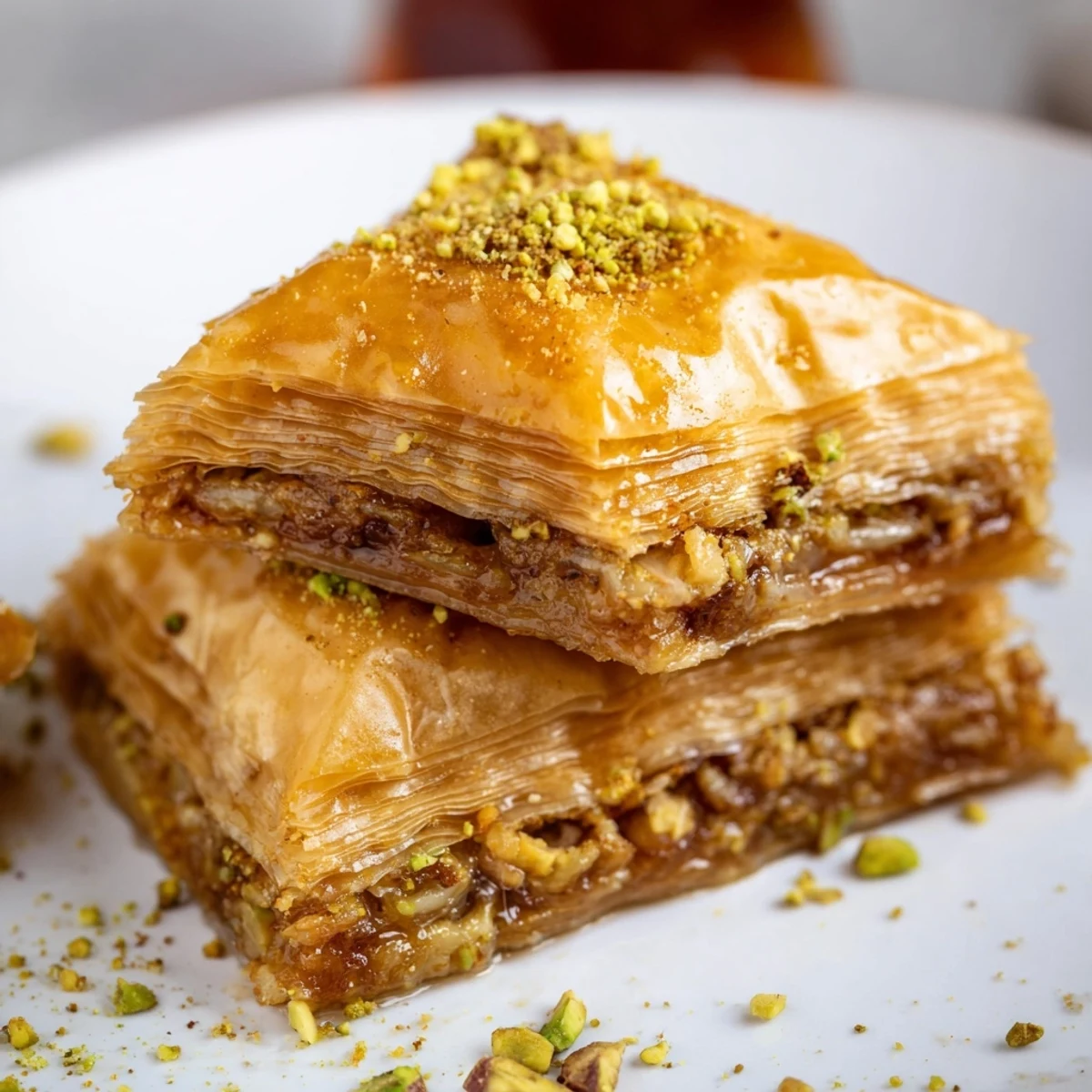
Save There's something deeply satisfying about pulling a tray of baklava from the oven, all golden and caramel-edged, knowing you've created something that's been made in Bosnian kitchens for generations. Every sticky, flaky bite is worth the effort.
Recipe FAQs
- → How long should baklava cool before serving?
-
Allow the baklava to cool completely at room temperature for 2-3 hours after pouring the syrup. For best results, make it a day ahead so the syrup fully penetrates all layers, enhancing the texture and flavor throughout.
- → Can I use different nuts in the filling?
-
Absolutely. While walnuts are traditional, you can substitute hazelnuts, pecans, or cashews. Adjust ratios to your preference—some prefer all walnuts for a classic taste, while others enjoy the variety that mixed nuts provide to each bite.
- → What's the purpose of lemon juice in the syrup?
-
Lemon juice balances the intense sweetness of the sugar and honey, adding a bright citrus note that cuts through the richness. It also helps prevent the sugar from crystallizing as it cools, ensuring a smooth, pourable syrup.
- → Why cut the baklava before baking?
-
Cutting through the layers before baking ensures clean edges and prevents the flaky phyllo from shattering when sliced later. Hot syrup penetrates more effectively along pre-cut lines, soaking evenly into every piece.
- → How do I store leftover baklava?
-
Keep in an airtight container at room temperature for up to a week. Avoid refrigeration as it can make the phyllo soggy. Separate layers with parchment paper if stacking to preserve the crisp texture of each piece.
- → Can I freeze baklava?
-
Yes, freeze unbaked or baked portions. For baked baklava, wrap tightly and freeze for up to 3 months. Thaw at room temperature—this actually helps maintain crisp texture better than refrigeration.