
 Save
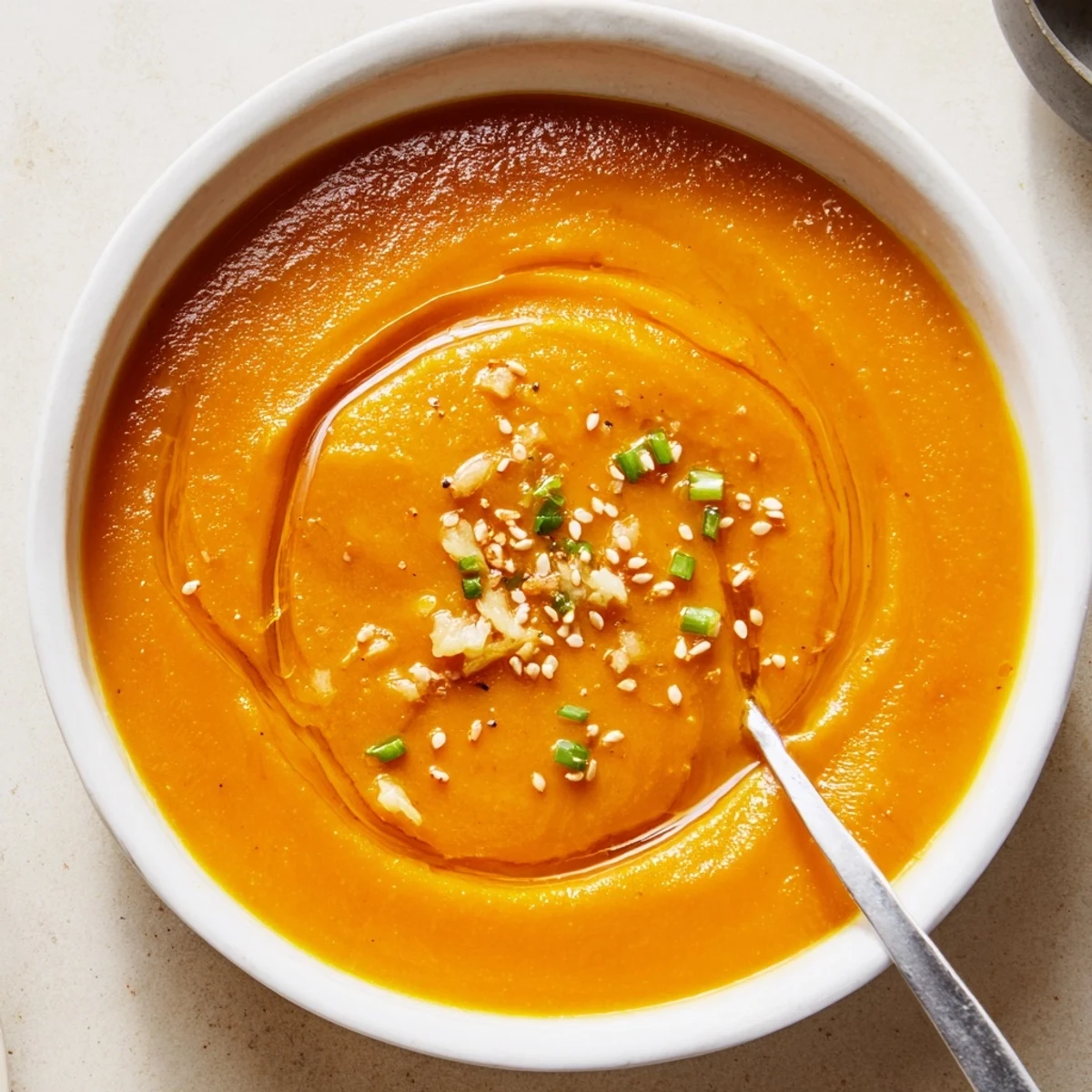
Save Bright carrots and grated ginger are softened with sautéed onion and garlic, then simmered in vegetable stock until tender. Purée until silky, whisk in white miso and soy or tamari off heat, and gently warm to preserve flavor. Finish with scallions, toasted sesame seeds, or a drizzle of sesame oil. Roast carrots first for a deeper, caramelized note; serve with crusty bread or steamed rice.
The rain was hammering against the kitchen window and I had a bag of carrots I kept ignoring in the crisper drawer, so I grabbed ginger and miso on a hunch that turned into the best decision of that entire week. Something about the way the grated ginger hit the hot oil and filled the room with its sharp, clean perfume made me stop and actually breathe for what felt like the first time all day. This soup is the kind of thing you stumble into and then refuse to stop making.
I made this for my neighbor Dana after she mentioned she was too tired to cook, and she stood in her doorway holding the bowl with both hands, sipping it before she even went back inside. She texted me that night asking if miso was witchcraft, and honestly I almost said yes.
Ingredients
- Carrots (1 lb or 450 g, peeled and sliced): The sweetness of good carrots is the backbone here, so pick ones that look vibrant and firm without any rubbery feel.
- Yellow onion (1 medium, diced): Builds a mellow, sweet base that lets the ginger and miso shine without competing.
- Garlic (2 cloves, minced): Fresh garlic makes a noticeable difference, so skip the jarred stuff for this one.
- Fresh ginger (1 inch or 2.5 cm, peeled and finely grated): Grate it right before it goes into the pot because the aroma fades fast once exposed to air.
- Low sodium vegetable broth (4 cups or 1 L): Low sodium lets you control the salt level, especially since miso and soy sauce both bring their own.
- Water (1 cup or 240 ml): Dilutes the broth just enough so the carrot flavor is not buried.
- White or yellow miso paste (3 tbsp): This is where the magic lives, so use a miso you genuinely enjoy tasting on its own.
- Olive oil (1 tbsp): Just enough to soften the onions and wake up the aromatics without weighing the soup down.
- Soy sauce or tamari (1 tbsp): Tamari keeps it gluten free and adds a rounder, slightly deeper flavor than regular soy sauce.
- Salt and black pepper: Add these at the end because the miso and soy sauce do a lot of heavy lifting before you even taste for seasoning.
- Optional toppings (chopped scallions, toasted sesame seeds, sesame oil drizzle): These take the soup from weeknight staple to something you would proudly serve to anyone who walks through your door.
Instructions
- Wake up the onions:
- Heat the olive oil in a large pot over medium heat and sauté the diced onion for three to four minutes until it turns translucent and just starts to catch a little golden color at the edges.
- Build the aromatic base:
- Stir in the minced garlic and grated ginger, cooking for about a minute until your kitchen smells impossibly good and you start wondering why you do not put ginger in everything.
- Add the carrots:
- Toss in the sliced carrots and let them cook alongside the aromatics for two to three minutes so they pick up some of that flavor before the liquid goes in.
- Simmer everything together:
- Pour in the vegetable broth and water, bring it to a boil, then drop the heat and let it simmer for fifteen to twenty minutes until the carrots are tender enough to pierce with a fork without resistance.
- Blend until silky:
- Remove the pot from heat and use an immersion blender to puree until completely smooth, or carefully transfer to a countertop blender in batches if that is what you have.
- Stir in the miso:
- Return the soup to low heat and whisk in the miso paste and soy sauce, stirring gently until the miso dissolves completely, and whatever you do, do not let it boil or you will lose the living, delicate flavor that makes miso special.
- Season and taste:
- Add salt and pepper to your liking, tasting as you go, because a small adjustment here can pull the whole bowl together.
- Serve with flair:
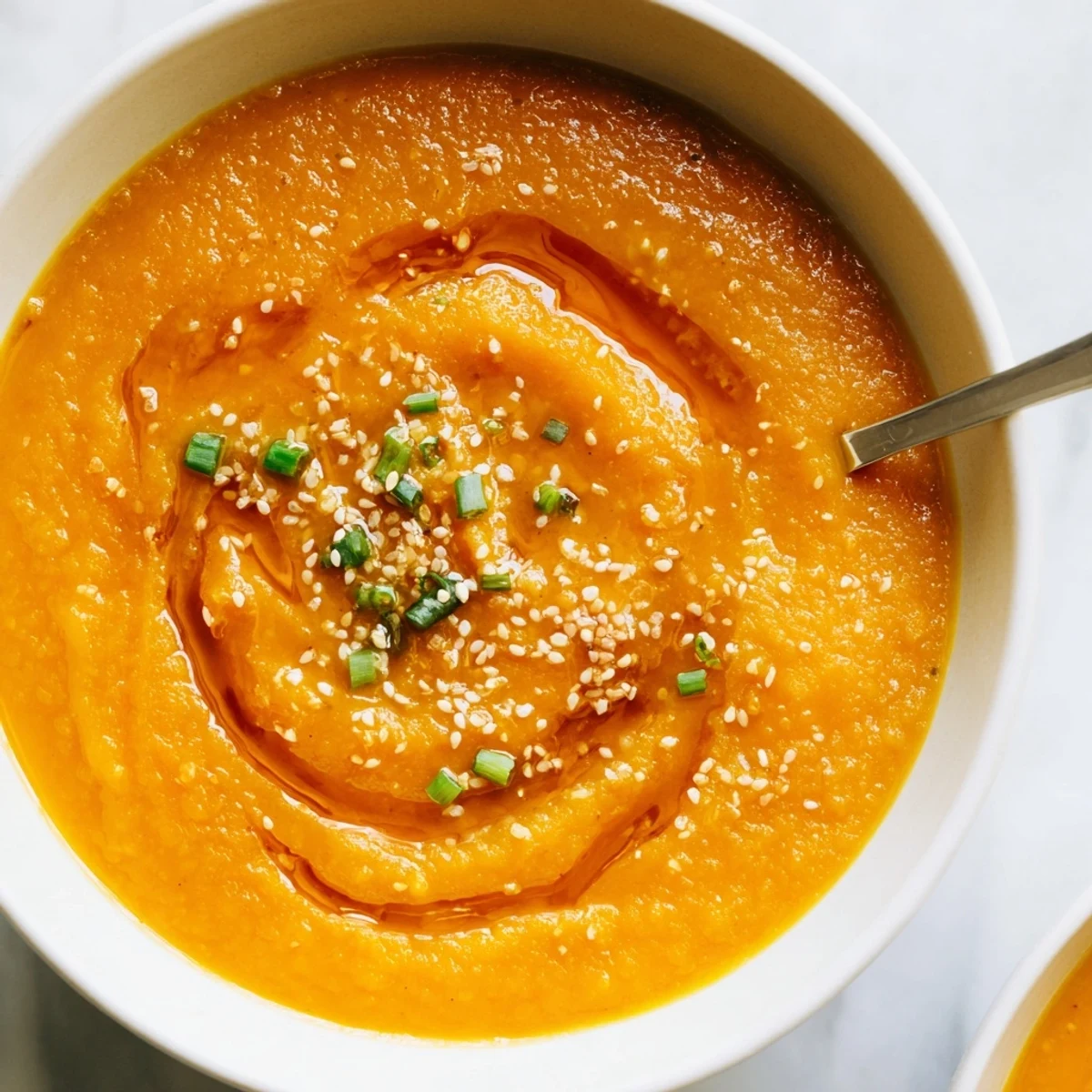
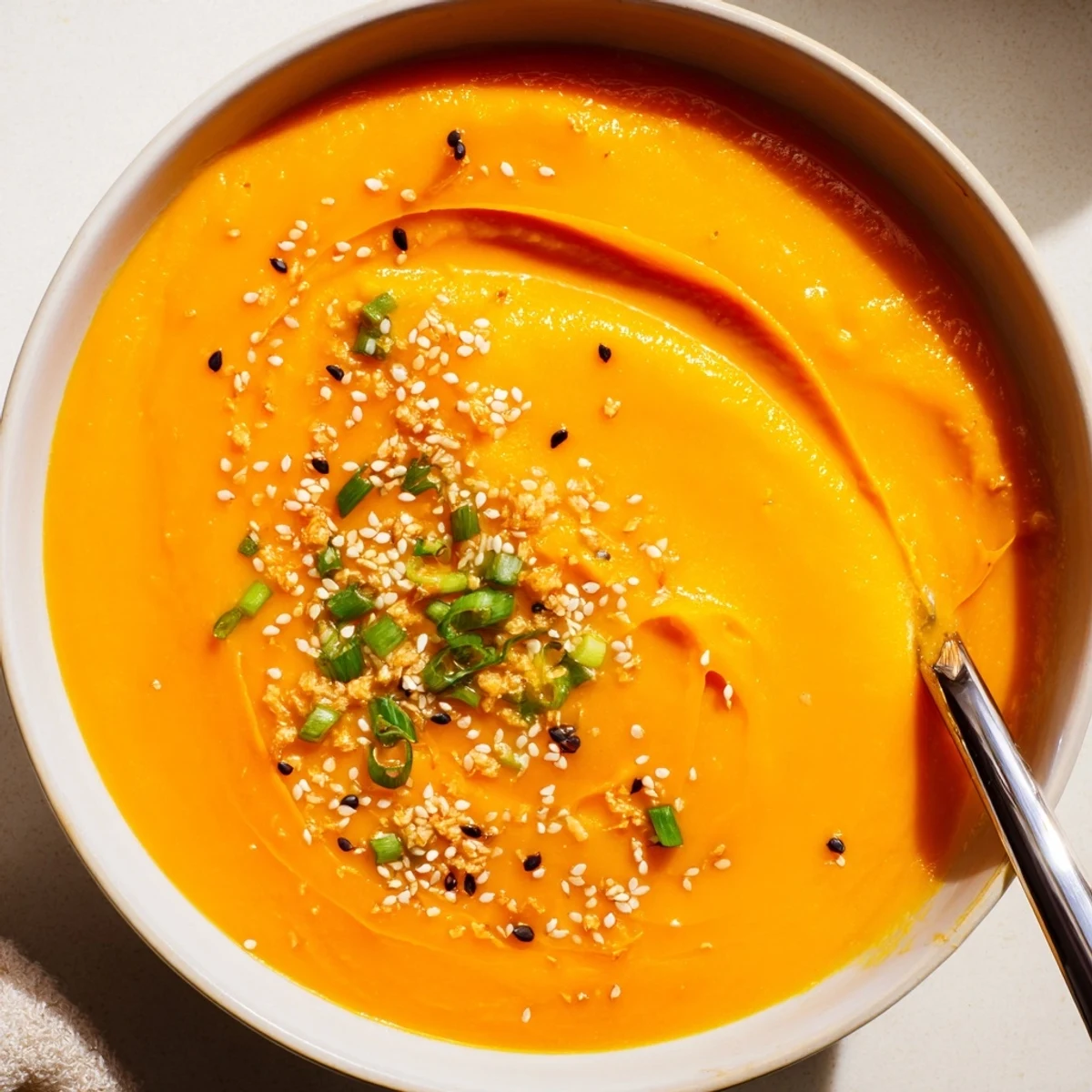
- Ladle into warm bowls and finish with whatever toppings call to you, whether that is a scatter of scallions, a fistful of sesame seeds, or a thin golden drizzle of sesame oil.
 Save
Save I once ladled this into a thermos and took it on a cold hike, and sitting on a rock overlooking a fogged over valley, slurping something warm and alive, I understood why people write love letters to food.
Choosing Your Miso
White miso is mild, slightly sweet, and very forgiving, which makes it the safest starting point if you are new to cooking with it. Yellow miso sits in the middle with a bit more punch, while red miso brings an earthy, bold depth that can completely change the personality of this soup into something darker and more intense. I keep two jars in my fridge at all times because the mood you are in should dictate which one you reach for.
What to Serve Alongside It
Crusty sourdough torn by hand is my default because the crunch against that velvety soup is pure textural joy. A side of steamed rice works too, especially if you want to turn this appetizer into something more filling on nights when lunch was too long ago. Sometimes I just add a handful of microgreens on top and call it dinner without pretending it needs to be more complicated than that.
Storing and Reheating
This soup holds beautifully in the fridge for up to four days, and the flavor actually deepens overnight as everything mingles together. Reheat it gently on the stove over low warmth, and if it thickens too much in the fridge, a splash of water or broth brings it right back to where it should be.
- Freeze in individual portions so you never have to thaw more than you need.
- Avoid microwaving on high, since the miso is sensitive to aggressive heat.
- Always taste after reheating because a tiny pinch of salt can revive flavors that went quiet in the cold.
 Save
Save This soup asks almost nothing of you and gives back everything warm and good, which is the best kind of cooking I know. Make it once and it will quietly become part of your regular rotation without asking permission.
Recipe FAQs
- → How can I adjust the soup's texture?
-
To thin, stir in warmed vegetable broth or water a little at a time until you reach the desired consistency. To thicken, simmer uncovered to reduce, or blend in a cooked potato or extra carrot for a silkier, fuller body. Always taste and re-season after adjusting.
- → When should I add miso to preserve its flavor?
-
Dissolve miso off the heat and stir it into the puréed soup at the end. Heat gently—avoid boiling—to keep miso's delicate umami and beneficial qualities intact.
- → Which type of miso works best with carrots?
-
White or yellow miso pairs beautifully with sweet carrots for a light, savory finish. Red miso will give a deeper, earthier note—use it sparingly or combine types to balance intensity.
- → How do I make this suitable for someone avoiding gluten?
-
Choose a certified gluten-free miso and swap soy sauce for tamari labeled gluten-free. Also check that your vegetable broth is free from gluten-containing additives.
- → What are the best garnishes to finish the dish?
-
Top with sliced scallions, toasted sesame seeds, and a light drizzle of sesame oil for aroma. Microgreens or a swirl of coconut milk add color and a contrasting creaminess.
- → Is roasting the carrots worth the extra time?
-
Yes—roasting caramelizes the carrots’ natural sugars and deepens flavor. Roast slices at high heat until golden, then proceed with simmering and puréeing for a richer, more complex bowl.
- → How should leftovers be stored and reheated?
-
Cool quickly, transfer to airtight containers, and refrigerate up to four days or freeze for up to three months. Reheat gently over low heat and avoid boiling to protect the miso and texture.