
 Save
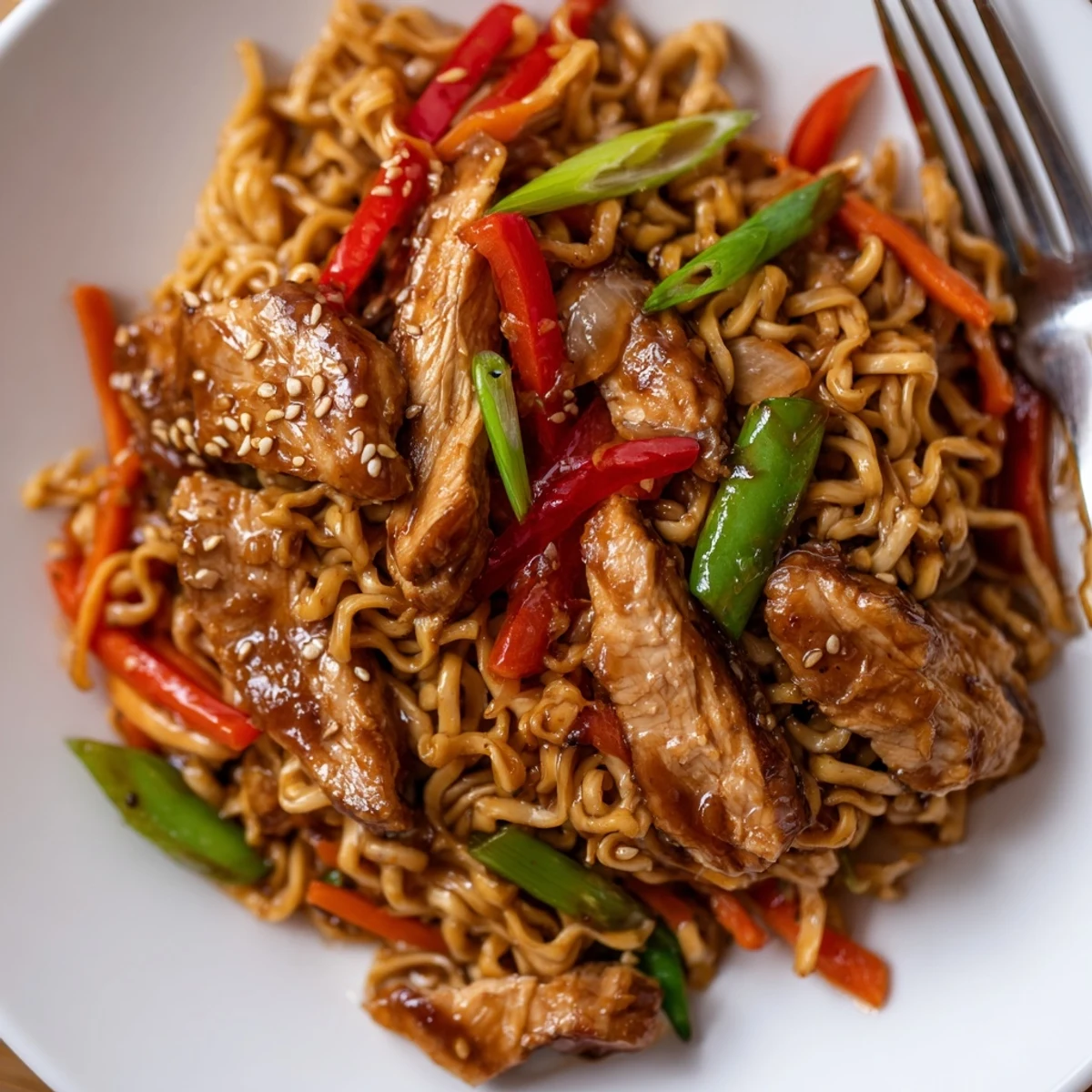
Save In about 30 minutes, thinly sliced chicken is seared until golden, then tossed with cooked ramen noodles, julienned carrots, bell pepper and snap peas. A sauce of soy, oyster, hoisin, honey and sesame oil is whisked with a touch of broth and cornstarch, poured in to coat and thicken. Finish with toasted sesame and green onions for a quick, balanced weeknight meal.
The smell of sesame oil hitting a screaming hot wok is one of those things that makes everyone in the house wander into the kitchen asking when dinner will be ready. This chicken ramen stir fry came together one Tuesday when the fridge was nearly empty and takeout felt too lazy even for me. Now it shows up on our meal plan almost every week because it never lets us down.
My neighbor stopped by once while I was tossing the noodles and stood there leaning against the counter until I handed her a plate. She texted me the next day asking for the recipe, which is the highest compliment a home cook can get.
Ingredients
- 2 boneless skinless chicken breasts, thinly sliced: Slicing against the grain keeps every bite tender and juicy.
- 2 packs instant ramen noodles, seasoning packets discarded: Cheap noodles work beautifully here because the sauce does all the heavy lifting.
- 1 red bell pepper, thinly sliced: Adds sweetness and a flash of color that makes the dish look restaurant quality.
- 1 cup snap peas, trimmed: Their crunch is the texture backbone of the whole dish.
- 2 medium carrots, julienned: Thin strips cook fast and soak up the sauce like little sponges.
- 2 green onions, sliced: Save a handful for garnish because the raw bite on top matters.
- 2 cloves garlic, minced: Fresh is nonnegotiable here since the jarred stuff lacks the punch.
- 1 tbsp fresh ginger, grated: Microplane it straight into the pan for the most vibrant flavor.
- 1/4 cup low sodium soy sauce: Low sodium lets you control the salt without losing depth.
- 2 tbsp oyster sauce: This is the secret weapon that makes everything taste rich and savory.
- 1 tbsp hoisin sauce: A little sweetness and complexity that rounds out the sauce beautifully.
- 1 tbsp honey or brown sugar: Helps the sauce caramelize and stick to the noodles.
- 2 tsp sesame oil: Toasted sesame oil specifically, added at the end for that unmistakable aroma.
- 1/4 cup chicken broth or water: Thins the sauce just enough to coat everything evenly.
- 1/2 tsp cornstarch: This tiny amount transforms a watery sauce into a glossy glaze.
- 1 tbsp toasted sesame seeds: Toasting them yourself in a dry pan takes thirty seconds and doubles the flavor.
Instructions
- Cook the noodles:
- Boil the ramen according to the package directions, toss the seasoning packets, drain well, and set them aside so they are ready to grab when the wok calls.
- Whisk the sauce:
- Combine soy sauce, oyster sauce, hoisin, honey, sesame oil, broth, and cornstarch in a small bowl and whisk until the cornstarch disappears completely with no lumps hiding at the bottom.
- Sear the chicken:
- Heat your wok over medium high with a splash of oil, lay the chicken in a single layer, and let it sit undisturbed for a minute before stirring so it gets those golden caramelized edges, then cook three to four minutes total until done.
- Toss the vegetables:
- Add a touch more oil to the same pan, throw in the garlic, ginger, bell pepper, snap peas, and carrots, and stir fry for three to four minutes until crisp tender with bright color still intact.
- Bring it all together:
- Slide the chicken back in, add the noodles, pour the sauce over everything, and toss aggressively for two to three minutes until every strand is coated and the sauce thickens into a glossy finish.
- Garnish and serve:
- Kill the heat, shower with sesame seeds and fresh green onions, and get it to the table immediately because this dish waits for no one.
 Save
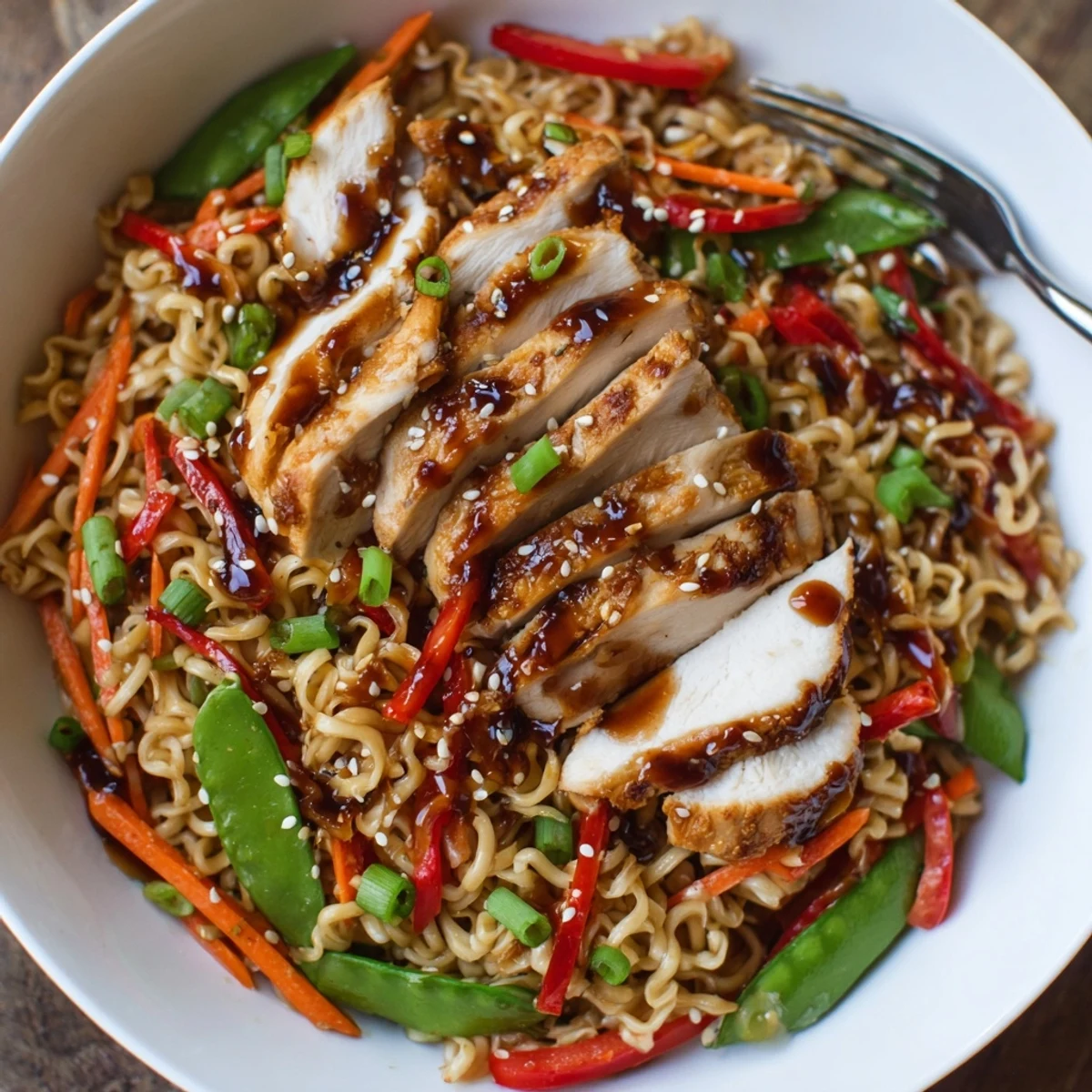
Save There is something deeply satisfying about lifting a wok full of glossy noodles and perfectly browned chicken knowing you pulled it together in half an hour.
Making It Your Own
This recipe is a blueprint more than a rule book. Swap the chicken for sliced steak, plump shrimp, or cubed extra firm tofu and the sauce handles all of them with grace.
Turning Up the Heat
A drizzle of sriracha or a pinch of chili flakes stirred into the sauce transforms this into an entirely different dish for spice lovers. My brother in law adds so much heat that his forehead glistens, and he swears it is the only way to eat it.
Wok Wisdom for Weeknights
The biggest lesson I learned from making stir fry repeatedly is that heat confidence matters more than technique. Get the pan ripping hot, keep things moving, and trust the process.
- A flat bottomed skillet works just as well as a wok if you do not own one.
- Leftovers reheat beautifully in a skillet with a splash of water to loosen the sauce.
- Always serve immediately because the noodles soak up sauce as they sit and lose that slippery coating.
 Save
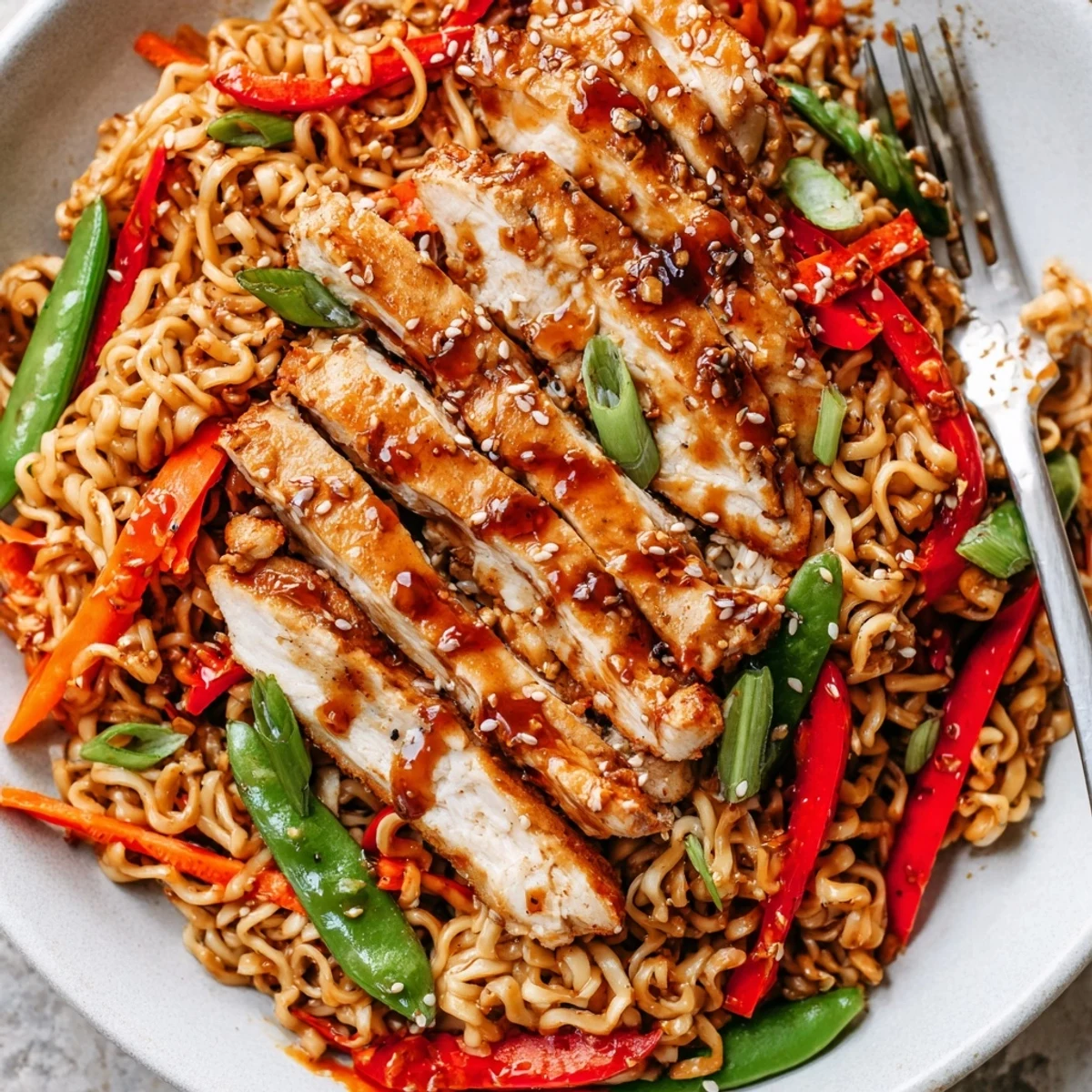
Save Keep this one in your back pocket for busy nights and grateful friends. It will never let you down.
Recipe FAQs
- → Can I use fresh noodles instead of instant ramen?
-
Yes. Fresh or dried Asian-style noodles work well; cook them according to package timing so they remain firm. If using fresh, shorten the pan toss so they don’t turn mushy.
- → How do I prevent the chicken from overcooking?
-
Slice the chicken thin and cook over medium-high heat in a hot wok or skillet, in a single layer. Remove it as soon as it’s golden and cooked through, then return it to the pan only when the vegetables are nearly done.
- → What thickens the sauce?
-
A small amount of cornstarch stirred into the sauce with broth or water creates a glossy, clingy finish when the sauce hits the hot pan and simmers for a minute or two.
- → Can I swap the chicken for another protein?
-
Absolutely. Tofu, shrimp or thinly sliced beef are great alternatives; adjust cooking times—shrimp and tofu need less time, beef depends on cut and thickness.
- → How can I add heat to the dish?
-
Add chili flakes to the sauce, a splash of sriracha, or a teaspoon of chili paste when whisking the sauce. Taste and adjust gradually to keep the balance with the soy-hoisin base.
- → What’s the best way to store and reheat leftovers?
-
Cool quickly and refrigerate in an airtight container for up to 3 days. Reheat gently in a skillet with a splash of water or broth to loosen the sauce and revive the noodles’ texture.