
 Save
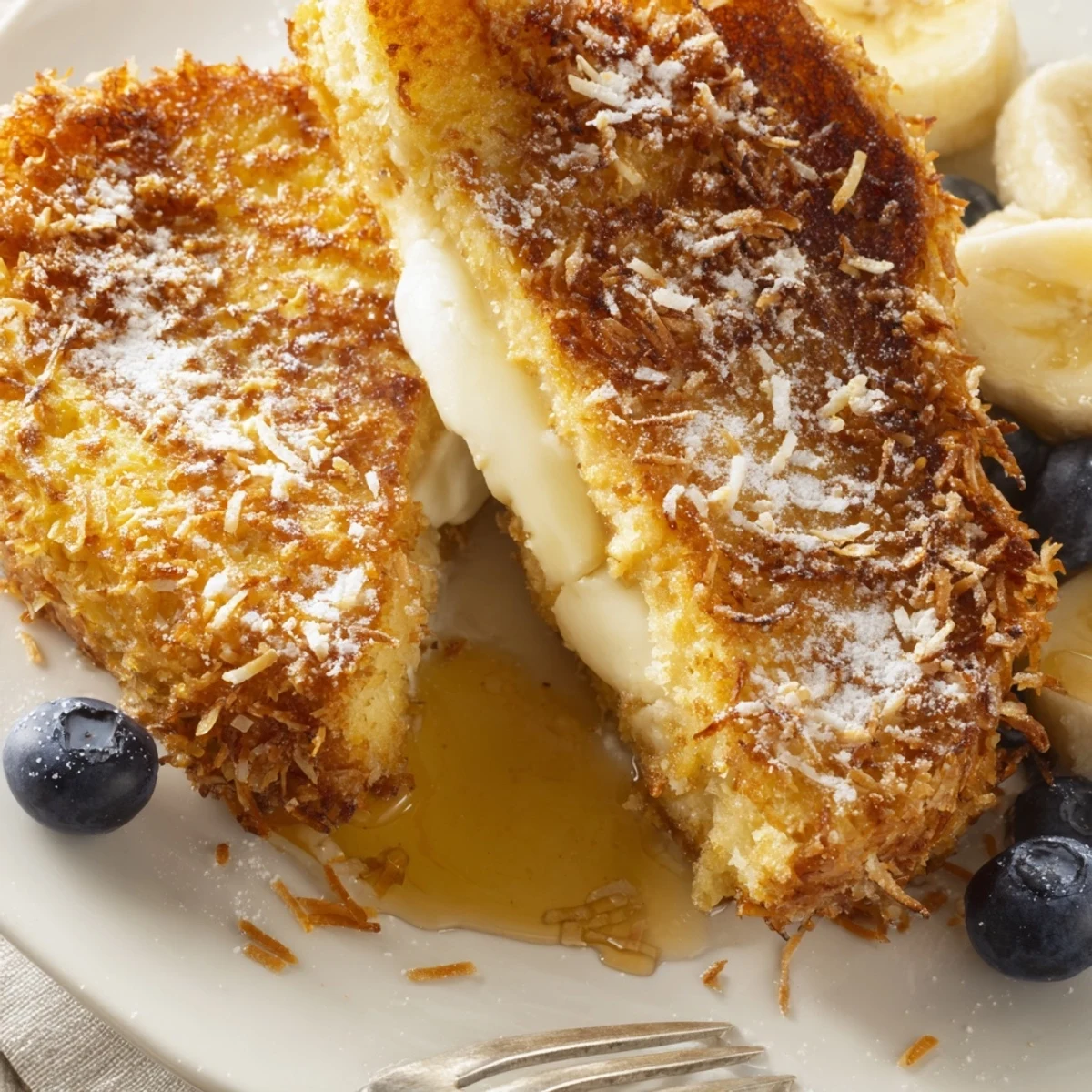
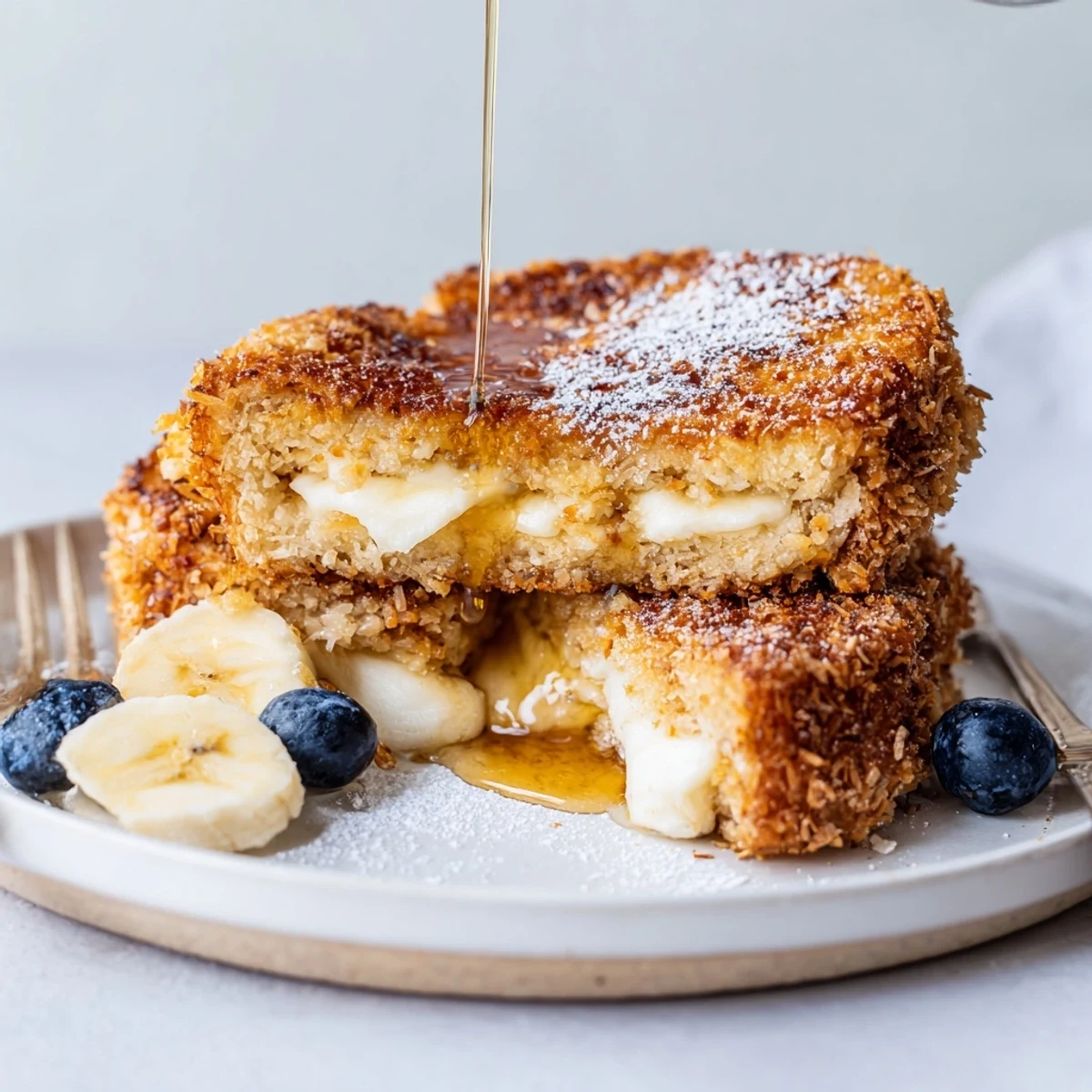
Save This tropical French toast soaks thick brioche in an egg-and-milk custard, presses it into shredded coconut (and optional panko), then pan-fries in butter and coconut oil until golden and crisp. For a dairy-free version use coconut milk and coconut oil. Serve immediately with maple syrup, fresh berries or sliced bananas to contrast the crunchy exterior and tender, custardy center.
The sizzle of coconut hitting hot oil on a Saturday morning is one of those sounds that pulls everyone into the kitchen before you even call them. I started making this coconut crusted French toast on a whim, tossing shredded coconut into the breading station because I had a bag lingering in the pantry. What happened next was a plate of golden, crackly slices that tasted like someone sent French toast on vacation to a tropical island. It has been a requested weekend ritual ever since.
One Easter morning my sister walked in, still half asleep, and the first thing she said was that the house smelled like a beach resort. I handed her a plate stacked with these golden slices topped with sliced bananas and a drizzle of maple, and she sat at the counter eating in complete silence for ten minutes. That is the highest compliment anyone has ever given my cooking.
Ingredients
- Eggs (4 large): They form the backbone of the custard, so grab the best ones you can find.
- Whole milk or coconut milk (240 ml): Whole milk gives richness, but coconut milk doubles down on the tropical flavor and keeps it dairy free.
- Granulated sugar (1 tablespoon): Just enough sweetness to caramelize the edges without making it taste like dessert for breakfast.
- Pure vanilla extract (1 teaspoon): This warms up the whole custard and pairs beautifully with the coconut.
- Ground cinnamon (1/2 teaspoon): A subtle spice that makes the custard feel like home.
- Salt (pinch): Always add salt to custard because it makes every other flavor sharper and more alive.
- Brioche or challah (8 slices, about 2 cm thick): These enriched breads soak up custard like a dream and stay tender inside.
- Unsweetened shredded coconut (100 g): Unsweetened toasts better and lets you control the sweetness through the custard and syrup.
- Panko breadcrumbs (55 g, optional): I highly recommend including these because they add an extra layer of crunch that coconut alone cannot achieve.
- Butter (2 tablespoons): Butter gives that classic golden color and rich flavor.
- Coconut oil (2 tablespoons): Mixed with butter, it prevents burning and adds a faint coconut aroma to the crust.
- Maple syrup, fresh berries, sliced bananas, powdered sugar (to serve): Pick any combination that sounds good because all of them work.
Instructions
- Whisk the custard:
- Crack the eggs into a shallow dish, pour in the milk, sugar, vanilla, cinnamon, and salt, then whisk until completely smooth and slightly frothy.
- Set up the crust station:
- In another shallow dish, toss the shredded coconut and panko together so they are evenly mixed and ready for pressing.
- Soak the bread:
- Lay each slice into the custard for about ten seconds per side, letting it drink up the mixture without collapsing into something soggy and sad.
- Press on the crust:
- Set the soaked slice directly into the coconut mixture and press gently on both sides so the flakes adhere in an even, generous layer.
- Heat the pan:
- Melt the butter and coconut oil together in a large non stick skillet over medium heat, waiting until the foam subsides and the fat shimmers.
- Fry until golden:
- Cook the coated slices in batches, two to three minutes per side, pressing lightly with a spatula until the coconut turns deeply golden and the kitchen smells incredible.
- Serve immediately:
- Transfer to warm plates and top with whatever combination of maple syrup, berries, bananas, or powdered sugar makes you happiest.
 Save
Save There is something about standing at the stove, flipping slice after slice while coconut toasts and crackles in the pan, that turns an ordinary morning into a small celebration. I have made these for houseguests, for lazy Sundays, and once for a friend who showed up at my door after a red eye flight. Each time the plate empties faster than seems possible.
Choosing the Right Bread
After testing this with everything from sandwich bread to sourdough, I can confidently say brioche and challah are worth seeking out. Their tender, slightly sweet crumb absorbs custard beautifully without falling apart, and they puff up slightly when they hit the heat. Thick cut white bread from a bakery will work in a pinch, but avoid anything too dense or too fresh because it either repels the custard or dissolves into it.
Making It Dairy Free
Swapping the whole milk for full fat coconut milk and frying in coconut oil alone makes this completely dairy free without sacrificing any richness. The coconut flavor actually intensifies in a lovely way, and the crust crisps up just as well. I have served the dairy free version to people who did not realize anything was different until I told them.
Keeping It Crispy Until Serving
If you are cooking for a crowd, the best method I have found is to set your oven to its lowest setting, around 90 degrees, and slide finished slices onto a wire rack set inside a baking sheet. This keeps them warm and crisp while you work through the remaining batches. A few things to keep in mind:
- Never stack the finished slices on top of each other because steam will soften the crust within minutes.
- If you need to reheat leftovers, a quick trip to a dry skillet works far better than the microwave.
- Serve them as quickly as you can because the texture is at its peak right out of the pan.
 Save
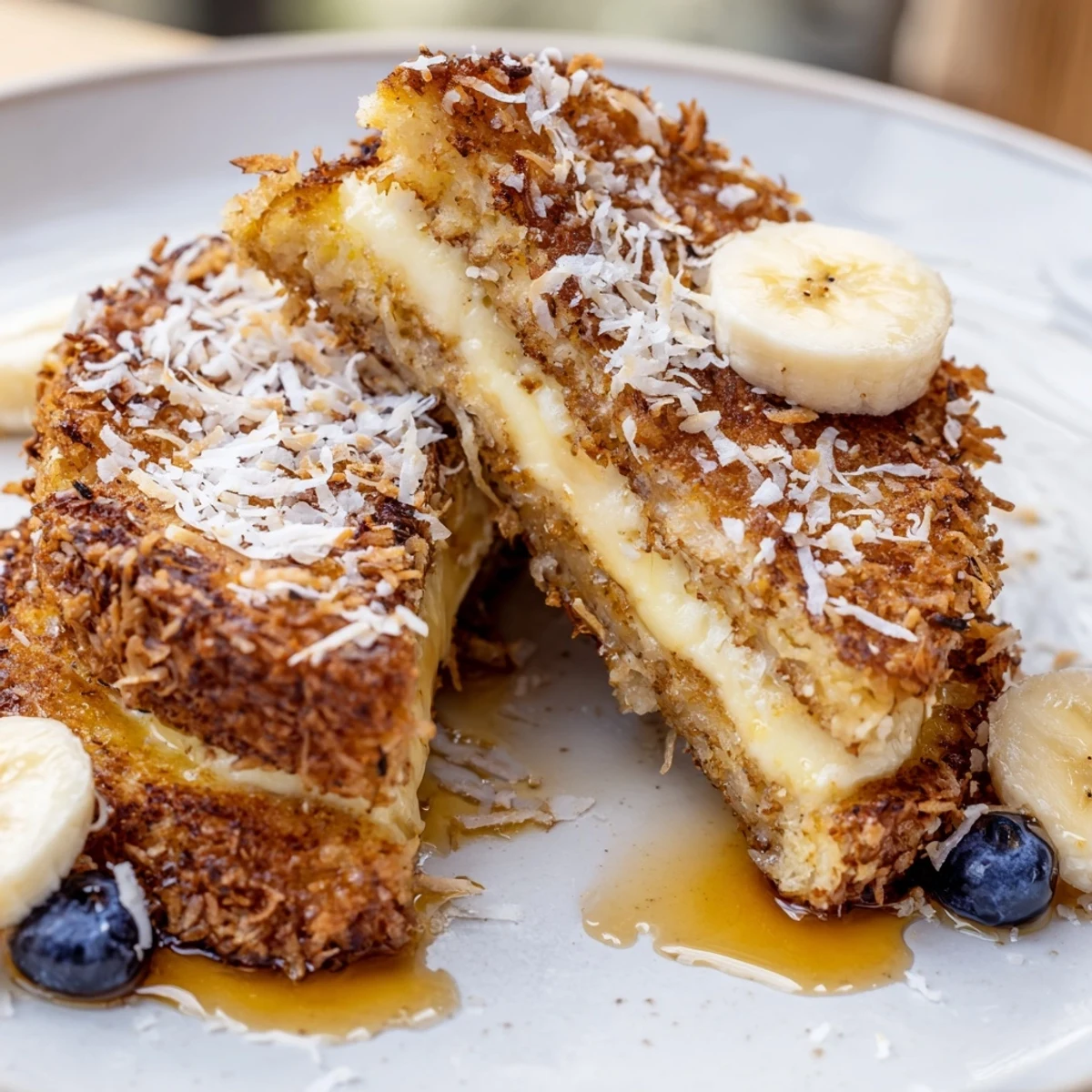
Save This is the kind of breakfast that makes people slow down and actually sit at the table instead of eating standing up over the sink. Make a double batch because nobody ever stops at two slices.
Recipe FAQs
- → How do I keep the center custardy without soggy bread?
-
Use thick, slightly stale brioche or challah and briefly soak each slice so it absorbs custard without falling apart. Cook over medium heat so the exterior browns while the interior sets, adjusting time for slice thickness.
- → What bread gives the best texture?
-
Brioche or challah yields the richest, custardy interior and light crumb; use slices about 2 cm thick. If unavailable, choose any dense white loaf sliced thickly to hold up during soaking and frying.
- → How can I prevent the coconut from burning while frying?
-
Toast the coconut lightly beforehand if desired, and cook over medium rather than high heat. Combining shredded coconut with panko distributes heat and reduces scorching. Use a mix of butter and coconut oil for flavor with a higher smoke point.
- → Is there a dairy-free option?
-
Yes—substitute coconut milk for whole milk and use only coconut oil (or vegan butter) for frying. The coconut flavor will be more pronounced and the texture remains rich and custard-like.
- → How do I keep the crust crispy when serving for a group?
-
Fry in batches and keep finished pieces on a wire rack in a low oven (about 90–100°C / 200°F) to stay warm without steaming. Avoid stacking slices to preserve the crunchy coating.
- → Can I prepare components ahead of time?
-
You can mix the custard and the coconut-panko coating in advance. Dip and coat just before cooking or precoat and refrigerate briefly, then pan-fry right before serving for best texture.