
 Save
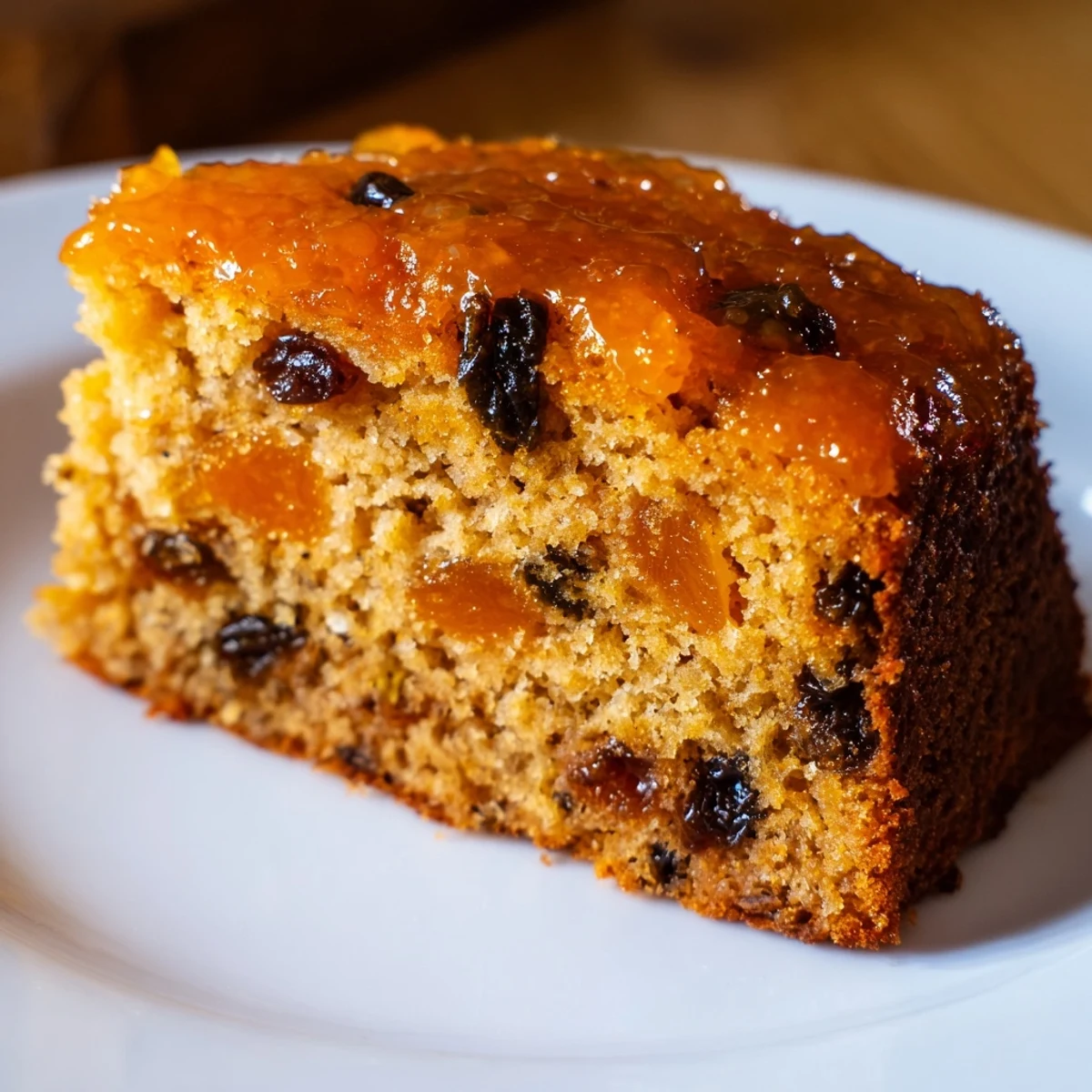
Save This moist Irish loaf features a blend of plump dried fruits soaked in strong black tea and warmed with cinnamon, nutmeg, and cloves. The batter combines softened butter, brown sugar, and eggs folded with flour and baking powder, creating a tender texture. Baked to a golden finish, it can be glazed with orange marmalade for extra shine and flavor. Perfect served sliced and buttered alongside tea, it's a delightful treat steeped in tradition.
The kitchen was filled with the most incredible aroma of steeping tea and plumping fruit when I first attempted this Irish classic. My grandmother had mentioned how her mother would let the dried fruit soak overnight in strong tea, something I initially dismissed as unnecessary. That first weekend I tried the quick version, rushing everything in a single afternoon, and the cake was good but missing something essential. The next time I honored that overnight soak, the difference was astonishing—every bite carried depth and moisture that no amount of careful mixing could fake.
I brought this loaf to a book club meeting during a particularly dreary November, watching friends instinctively reach for second slices while discussing the novel. Someone mentioned how it tasted like something from a proper Irish teahouse, which I took as the highest compliment. The marmalade glaze was a last minute addition I'd almost skipped, but seeing the way it caught the light and added that professional touch convinced me forever.
Ingredients
- Mixed dried fruit: Raisins, sultanas, and currants form the traditional base, but I've found adding a handful of chopped dried apricots brings lovely tangy notes that balance the sweetness
- Strong black tea: Use your favorite breakfast blend—something robust enough to stand up to the fruit, and please do not try substituting with herbal tea
- Unsalted butter: Room temperature butter creates the perfect texture for creaming, and controlling the salt yourself lets you adjust to taste
- Light brown sugar: The molasses in brown sugar adds depth and helps keep the cake moist longer than white sugar would
- Large eggs: Bring them to room temperature before mixing so they incorporate smoothly without curdling the butter mixture
- Plain flour: Standard all purpose flour works perfectly here—no need for cake flour, the fruit provides enough tenderness
- Baking powder and spices: The warming trio of cinnamon, nutmeg, and cloves evokes Irish baking traditions while the baking powder ensures a good rise
- Orange marmalade: Brushed over while warm, this creates the most beautiful glossy finish and adds a bright citrus note on top
Instructions
- Steep the dried fruit:
- Combine all the dried fruit in a large bowl and pour over 250ml of hot black tea. Cover and let the fruit absorb the tea for at least one hour, though overnight yields the most tender, flavorful results.
- Prepare your oven and tin:
- Heat your oven to 170°C (340°F) and grease a 900g loaf tin thoroughly. Line it with baking paper, leaving some overhang to help you lift the cake out later.
- Cream the butter and sugar:
- Beat the softened butter and light brown sugar together until the mixture looks pale and fluffy. This step incorporates air and helps create a lighter texture in the finished cake.
- Add the eggs:
- Beat in the eggs one at a time, making sure each one is fully incorporated before adding the next. If the mixture looks slightly curdled, do not worry—it will come together when you add the flour.
- Mix the dry ingredients:
- In a separate bowl, sift together the flour, baking powder, cinnamon, nutmeg, cloves, and salt. This ensures even distribution of the leavening and spices throughout the batter.
- Combine the mixtures:
- Fold the dry ingredients into the butter mixture gently, stopping as soon as no flour streaks remain. Overworking at this stage can make the cake tough, so light and quick is the goal.
- Add the soaked fruit:
- Drain any excess liquid from the fruit, though keep a tablespoon of the tea if the batter seems thick. Fold the fruit through gently, distributing it evenly without crushing the pieces.
- Bake the cake:
- Spoon the batter into your prepared tin and smooth the top. Bake for 55 to 65 minutes, checking after 50 minutes—if the top browns too quickly, loosely cover with foil.
- Cool and glaze:
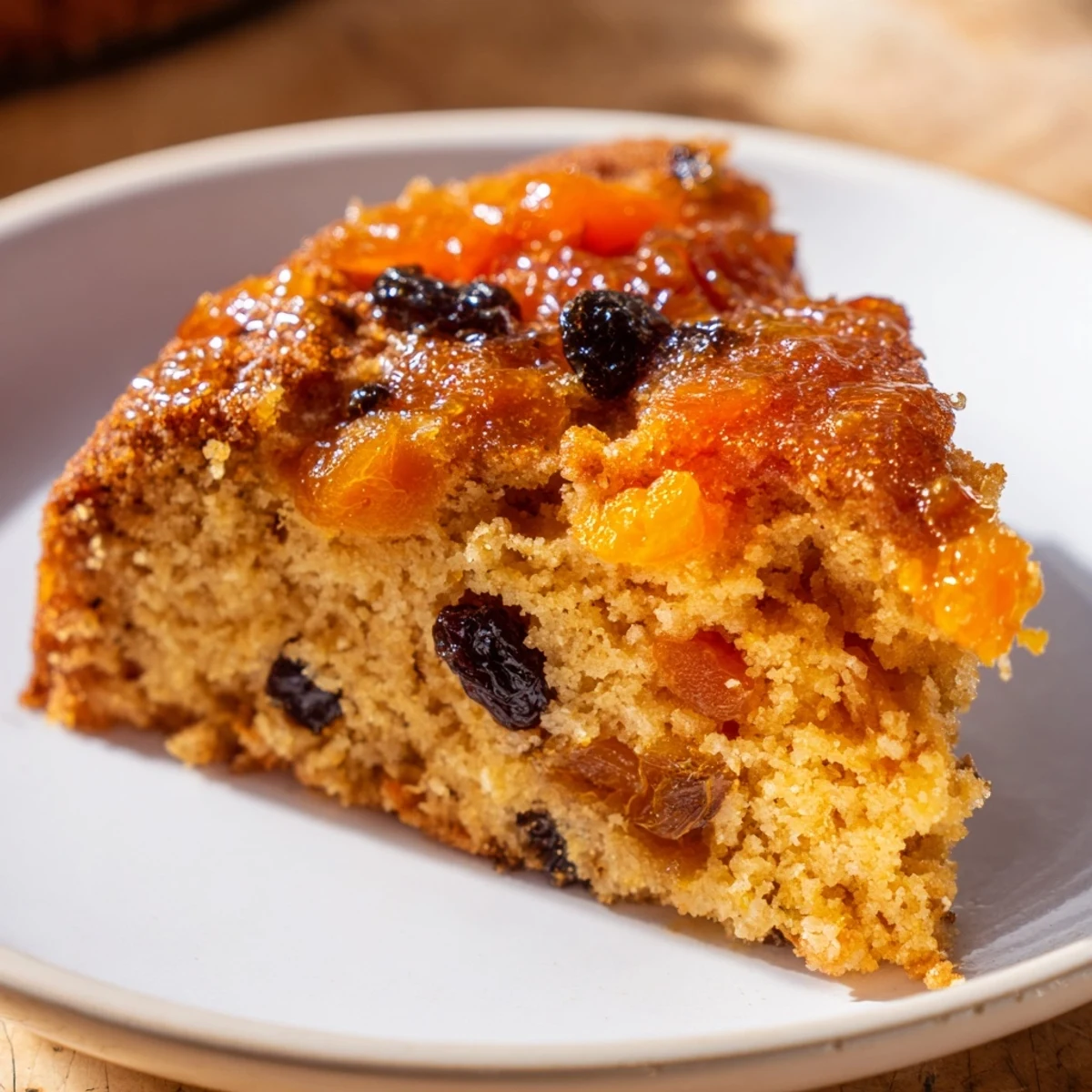
- Let the cake rest in the tin for 10 minutes before removing to a wire rack. Warm the marmalade slightly and brush over the top while the cake is still slightly warm for that perfect finish.
 Save
Save My sister-in-law from Dublin tasted this and declared it reminded her of rainy afternoons in her grandmother's kitchen, which might be the best review I've ever received. Now it's become our Sunday standard, something that makes even an ordinary weekend feel special and cozy.
Making It Ahead
This cake actually develops more character after sitting for a day or two, wrapped tightly in foil. The flavors meld together beautifully, and the moisture continues to distribute throughout the loaf.
Serving Suggestions
While this is perfectly delicious on its own, a thin spread of salted butter takes it to another level. Serve it slightly warmed alongside a proper cup of tea, perhaps with a friend who appreciates the slower pace of traditional baking.
Storage and Freezing
Keep the cake wrapped in foil or in an airtight container at room temperature for up to five days. For longer storage, slice and freeze individually—thaw at room temperature for about an hour, and it tastes freshly baked.
- Freeze whole loaves wrapped tightly in plastic then foil for up to three months
- Individual slices thaw remarkably well, making them perfect for quick tea breaks
- The marmalade glaze can be refreshed with another quick brush after thawing
 Save
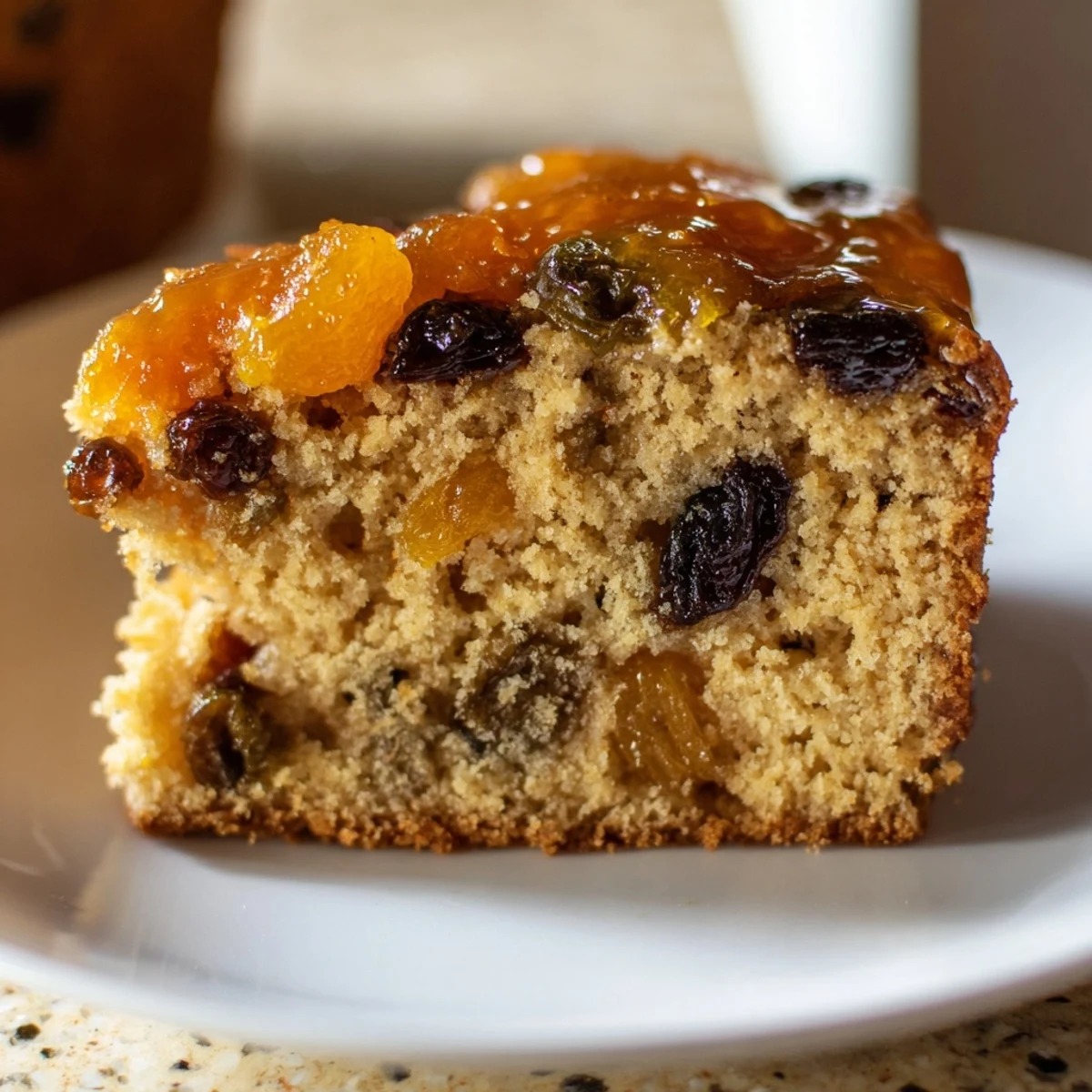
Save There is something deeply satisfying about a recipe that asks for patience and rewards it so generously. Every slice feels like a little moment of comfort in a busy world.
Recipe FAQs
- → How should the dried fruits be prepared?
-
Soak the mixed dried fruits in hot strong black tea for at least one hour or overnight to plump them and infuse flavor.
- → What spices are included in the blend?
-
The spice mix includes ground cinnamon, nutmeg, and cloves, adding warmth and depth to the loaf.
- → Can this loaf be glazed for extra finish?
-
Yes, warming and brushing orange marmalade over the cooled loaf gives a glossy, flavorful finish.
- → What is the ideal baking temperature and duration?
-
Bake the loaf at 170°C (340°F) for 55 to 65 minutes until a skewer comes out clean.
- → Are there suggested additions for texture or flavor?
-
Optional additions such as orange zest or chopped walnuts or pecans can enhance flavor and add crunch.