
 Save
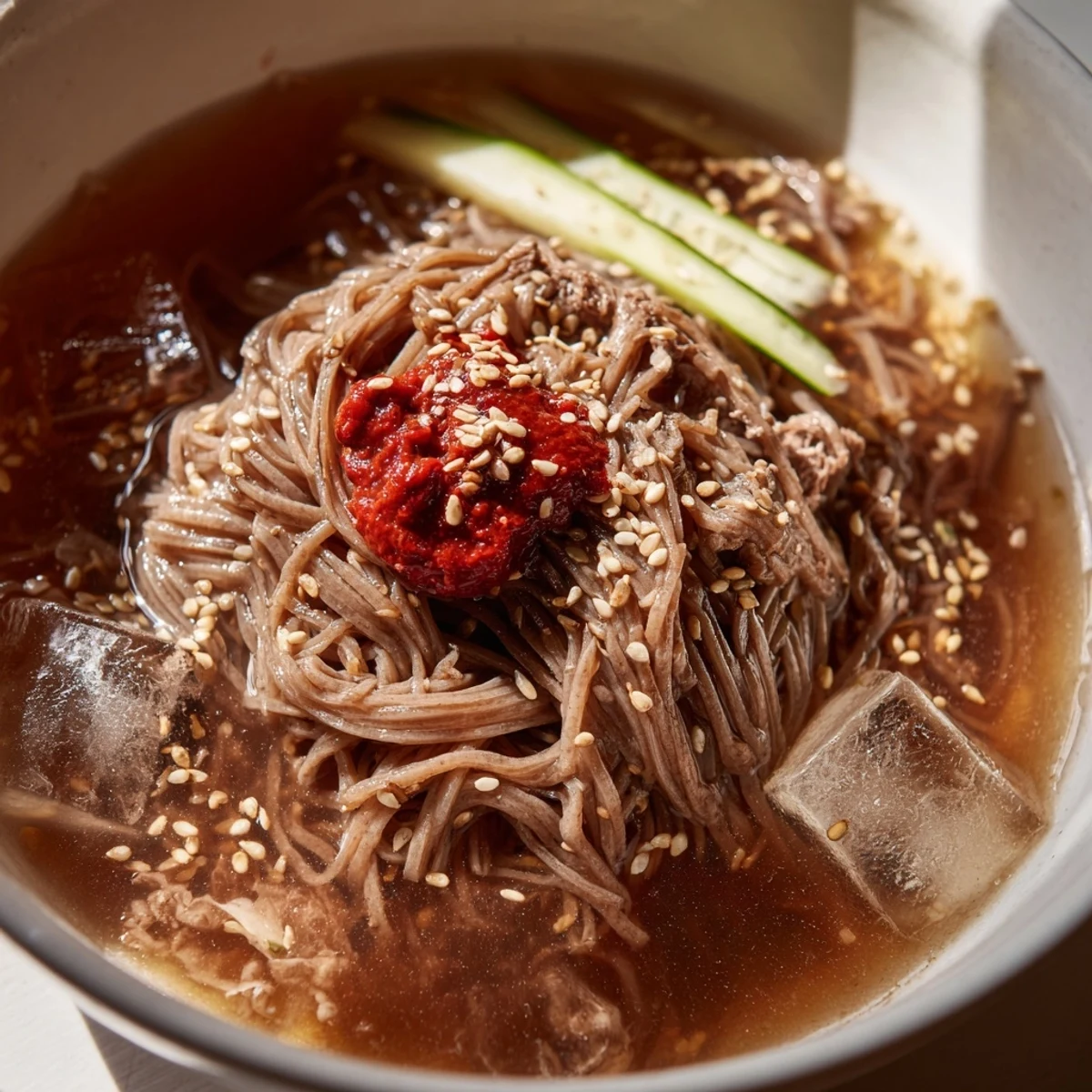
Save Experience the refreshing flavors of authentic Korean naengmyeon, featuring chewy buckwheat noodles served in an ice-cold tangy broth. This beloved summer dish combines the perfect balance of savory beef broth, rice vinegar, and subtle sweetness, topped with tender sliced beef brisket, crisp Asian pear, cucumbers, and hard-boiled eggs. The noodles are cooked until perfectly chewy, then thoroughly chilled in cold water to achieve that signature springy texture that makes naengmyeon so satisfying. Best served in pre-chilled bowls with plenty of ice cubes to maintain the bracing cold temperature essential to this dish.
The first time I encountered naengmyeon was in a tiny Koreatown spot where the waiter warned me about the scissors. Koreans cut their noodles right at the table, he said, like it was the most natural thing in the world. That first slurp of icy broth through chewy noodles was absolute revelation on a sweltering July afternoon.
Last summer, my partner came home from a run drenched in sweat, and I had a batch of this already chilling in the fridge. They took one sip of that vinegary, cold broth and literally groaned. Now it is our official heatwave emergency ration.
Ingredients
- Beef broth: Homemade gives depth, but low sodium works in a pinch and lets you control the salt
- Rice vinegar: This is what cuts through the richness and creates that craveable tang
- Naengmyeon noodles: Look for buckwheat ones specifically as they have that signature bounce
- Asian pear: Adds sweetness and crunch that balances the vinegar perfectly
- Cucumber: Thin slices matter here for texture contrast against the chewy noodles
Instructions
- Mix the broth:
- Whisk everything together until the sugar fully dissolves, then let it get seriously cold in the fridge
- Prep your toppings:
- Slice everything thin and boil your eggs ahead of time so you are not rushing later
- Boil the noodles:
- Cook them just until tender, then rinse under cold water until they are practically icy
- Build your bowl:
- Pile in noodles first, pour over that cold broth, arrange toppings prettily on top
- Add the finishing touch:
- Toss in ice cubes right before serving to keep everything bone cold
 Save
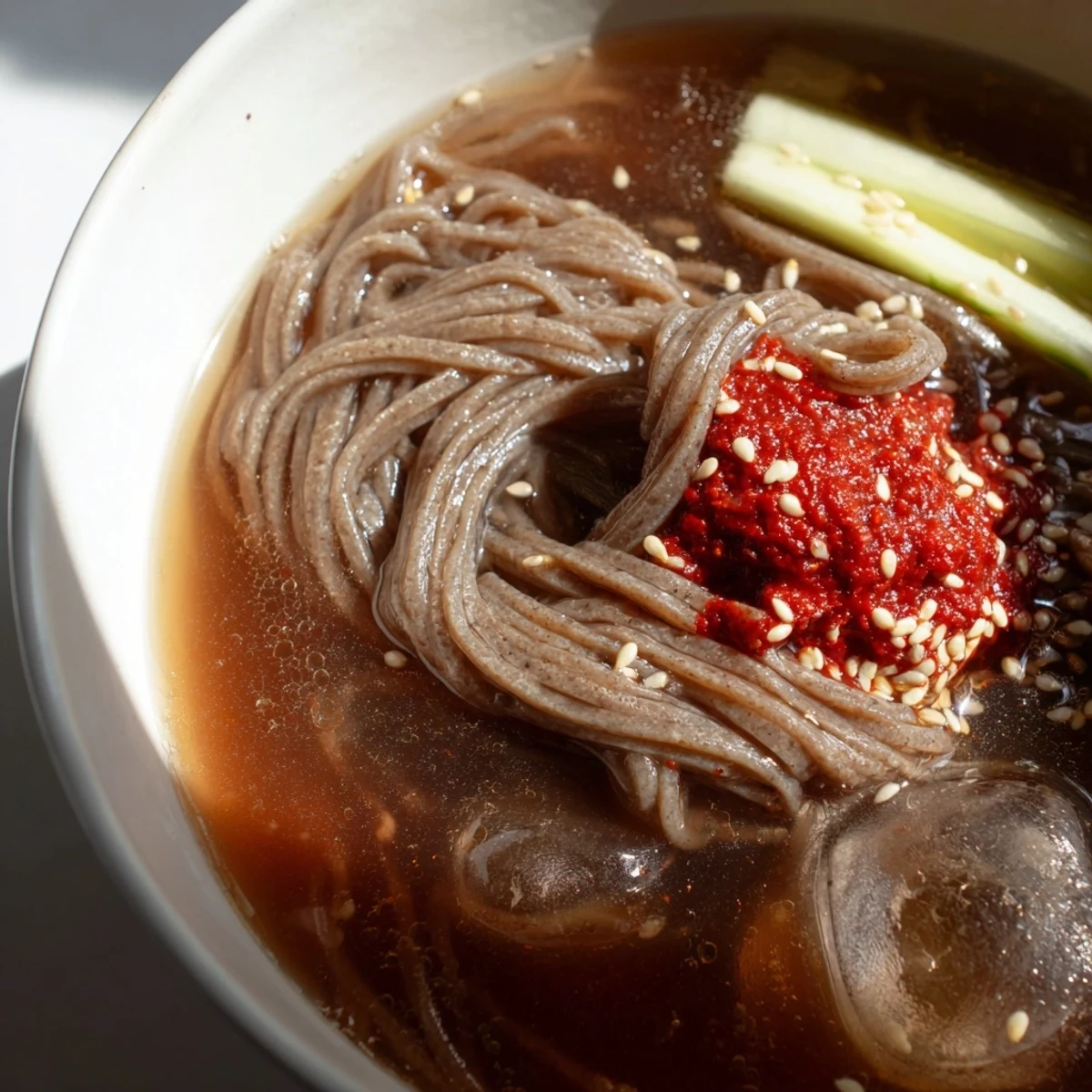
Save My friend Sarah tried this and said it reminded her of summer camps her parents sent her to in Seoul, which is basically the highest compliment I can imagine receiving.
Making It Your Own
Sometimes I swap beef brisket for rotisserie chicken when I want something lighter, and honestly the result is still spectacular. The key is keeping everything icy and not overcomplicating the garnishes.
The Temperature Trick
I learned the hard way that lukewarm naengmyeon is just sad. Now I put ice cubes in the serving bowls while I prep everything else, then remove them right before assembling.
Perfecting The Broth Balance
Start with less vinegar than you think you need and add more drop by drop. My sweet spot hovers around two tablespoons, but taste as you go.
- Extra gochujang on the side lets heat lovers customize their bowls
- A splash of mustard oil cuts through the broth beautifully if you like it spicy
- Leftover noodles keep for a day but the broth is where the magic really develops
 Save
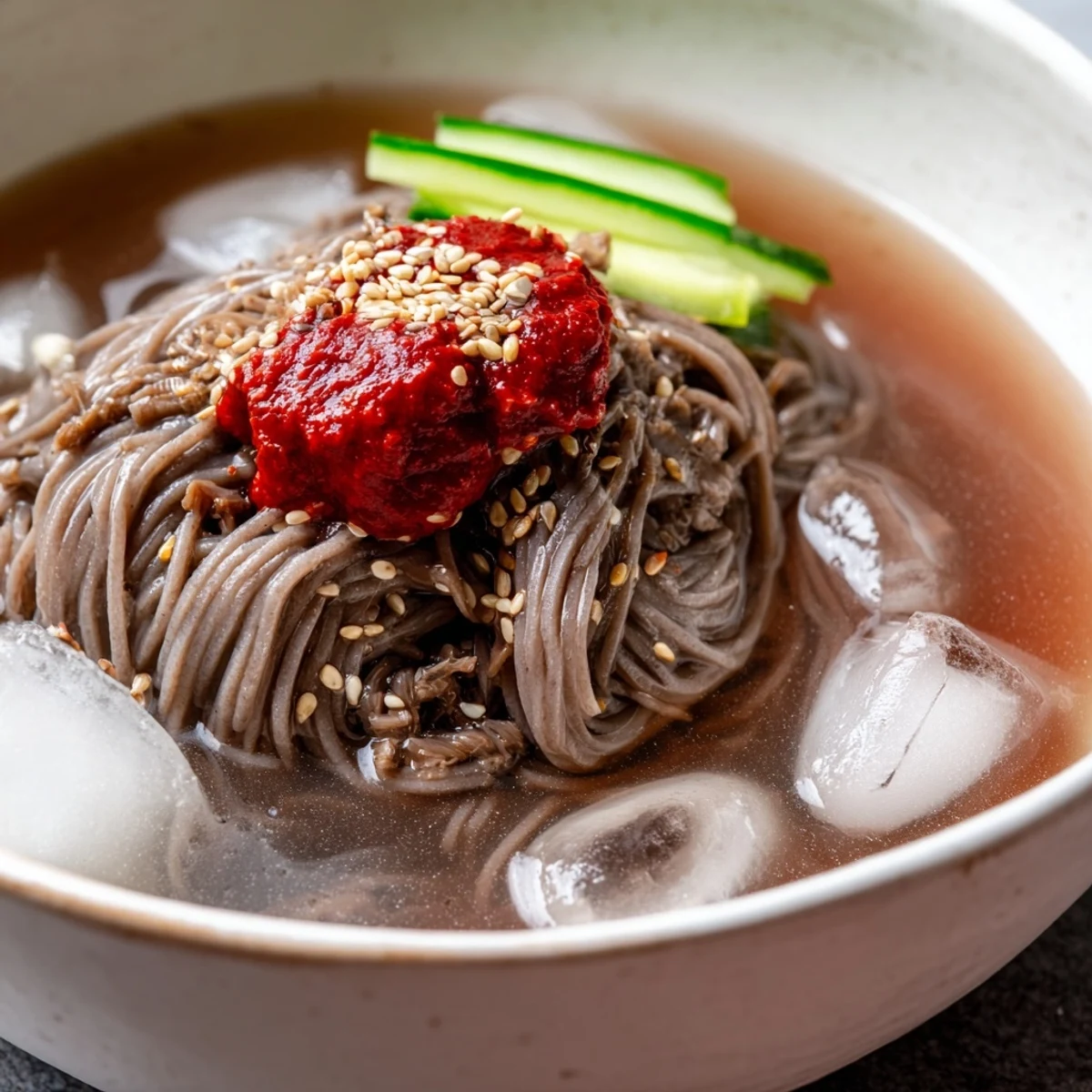
Save Keep this recipe in your back pocket for the next heatwave, and thank me later.
Recipe FAQs
- → What makes naengmyeon noodles chewy?
-
The chewy texture comes from buckwheat and sweet potato starch in the noodles. After boiling, rinsing thoroughly under cold water stops the cooking process and removes excess starch, enhancing that characteristic springy texture.
- → Can I use regular noodles instead of naengmyeon?
-
While soba noodles make the best substitute due to similar buckwheat content, the texture will differ. Authentic naengmyeon has a unique chewiness that's hard to replicate with other pasta varieties.
- → How far in advance can I prepare the broth?
-
The broth tastes better after flavors meld, so prepare it up to 2 days in advance. Keep it refrigerated and well-chilled—the colder the broth, the more authentic the experience.
- → Is naengmyeon served year-round in Korea?
-
While traditionally enjoyed during summer for its cooling properties, many Koreans enjoy naengmyeon year-round, especially after hot Korean barbecue as a refreshing palate cleanser.
- → What's the difference between mul-naengmyeon and bibim-naengmyeon?
-
Mul-naengmyeon is served in cold broth, while bibim-naengmyeon is served dry with spicy gochujang sauce. This recipe is for mul-naengmyeon, the more common cold soup version.
- → Can I make this vegetarian or vegan?
-
Yes! Substitute beef broth with vegetable broth or dashi made from shiitake mushrooms and kombu. Replace beef brisket with seasoned tofu or simply omit it. The result remains delicious and refreshing.