
 Save
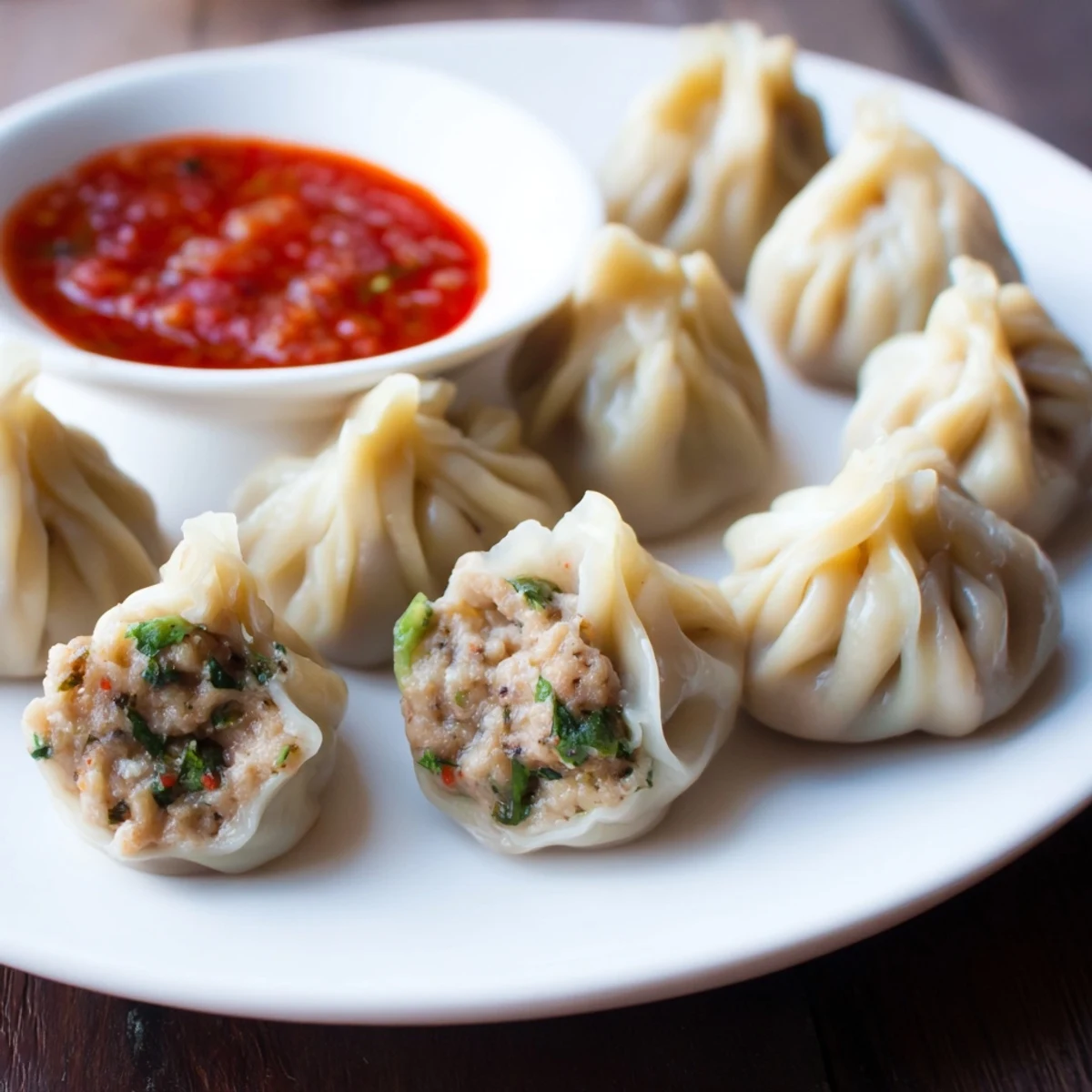
Save These beloved Nepali dumplings feature delicate wrappers enclosing savory, aromatic fillings. The traditional preparation involves kneading a simple flour dough until smooth and elastic, then rolling thin circles to hold the well-seasoned meat or vegetable mixture. Each dumpling is carefully pleated and sealed before steaming, resulting in incredibly juicy, tender bites.
The accompanying dipping sauce balances the rich filling perfectly—charred tomatoes blend with fresh ginger, garlic, and roasted sesame seeds for a bright, slightly spicy accompaniment. Though the process requires some practice to master the pleating technique, the reward is a genuinely satisfying dish that brings Himalayan warmth to your table.
The first time I watched my Nepali friend fold momos, her fingers moved like they had a memory of their own, creating these perfect little pleated pockets. I spent an entire afternoon trying to replicate that motion, my early attempts looking more like awkward blobs than dumplings. Now, after dozens of batches and countless steaming sessions, my hands have finally learned the rhythm, and there is something deeply satisfying about a tray full of uniform dumplings ready for the steam.
Last winter during a snowed-in weekend, my roommate and I made seventy momos while streaming old movies. We got competitive with our pleating techniques, accidentally created some mutant shapes, and ate so many straight from the steamer that we barely saved any for later. The whole apartment smelled like ginger and steam, and that is now my go-to memory whenever I crave comfort food.
Ingredients
- 2 cups all-purpose flour: The foundation of that perfectly chewy, slightly elastic wrapper that holds everything together
- 1/2 teaspoon salt: Just enough to enhance the dough flavor without competing with the filling
- 3/4 cup water: Add gradually, because humidity affects flour absorption and you want a smooth, pliable dough
- 250 g ground chicken or pork: The classic choice, though I have discovered that ground beef works beautifully too
- 1 small onion, finely chopped: Creates pockets of sweetness throughout the savory filling
- 2 cloves garlic and 1-inch fresh ginger: The aromatic backbone that gives Nepali momos their signature fragrance
- 1/2 cup green onions and 1/4 cup fresh cilantro: Fresh herbs that brighten the rich meat filling and add color
- 1 tablespoon soy sauce: Adds that essential umami depth and a lovely golden color to the meat
- 1/2 teaspoon ground cumin and coriander: Warm spices that transport you straight to Himalayan kitchens
- 2 medium tomatoes for sauce: Charring them adds a smoky complexity that makes this dipping sauce unforgettable
Instructions
- Mix and rest the dough:
- Combine flour and salt in a large bowl, gradually adding water while kneading until you have a smooth, elastic dough that bounces back when pressed. Cover and let it rest for at least 30 minutes because this relaxation period is crucial for rolling out thin wrappers without them springing back stubbornly.
- Prepare your filling:
- Mix the ground meat with onion, garlic, ginger, green onions, cilantro, soy sauce, oil, and spices until everything is evenly distributed. Let it sit for 15 minutes so the flavors can mingle and the meat can absorb all those aromatic spices before wrapping.
- Master the pleating technique:
- Divide dough into 24 small balls and roll each into a thin 3-inch circle, keeping the center slightly thicker than the edges. Place a tablespoon of filling in the middle, then fold and pleat the edges together, pinching tightly to seal and creating those characteristic crescent shapes.
- Steam to perfection:
- Arrange momos in a lightly oiled steamer basket, leaving space between them because they will expand slightly. Steam for 10 to 12 minutes over boiling water until the wrappers become translucent and the filling is piping hot throughout.
- Make the charred tomato sauce:
- Char tomatoes over an open flame or under the broiler until the skins blister black, then peel and blend with red chilies, garlic, ginger, sesame seeds, cilantro, and lime juice. Adjust the salt and heat to your preference, then serve alongside the steaming momos.
 Save
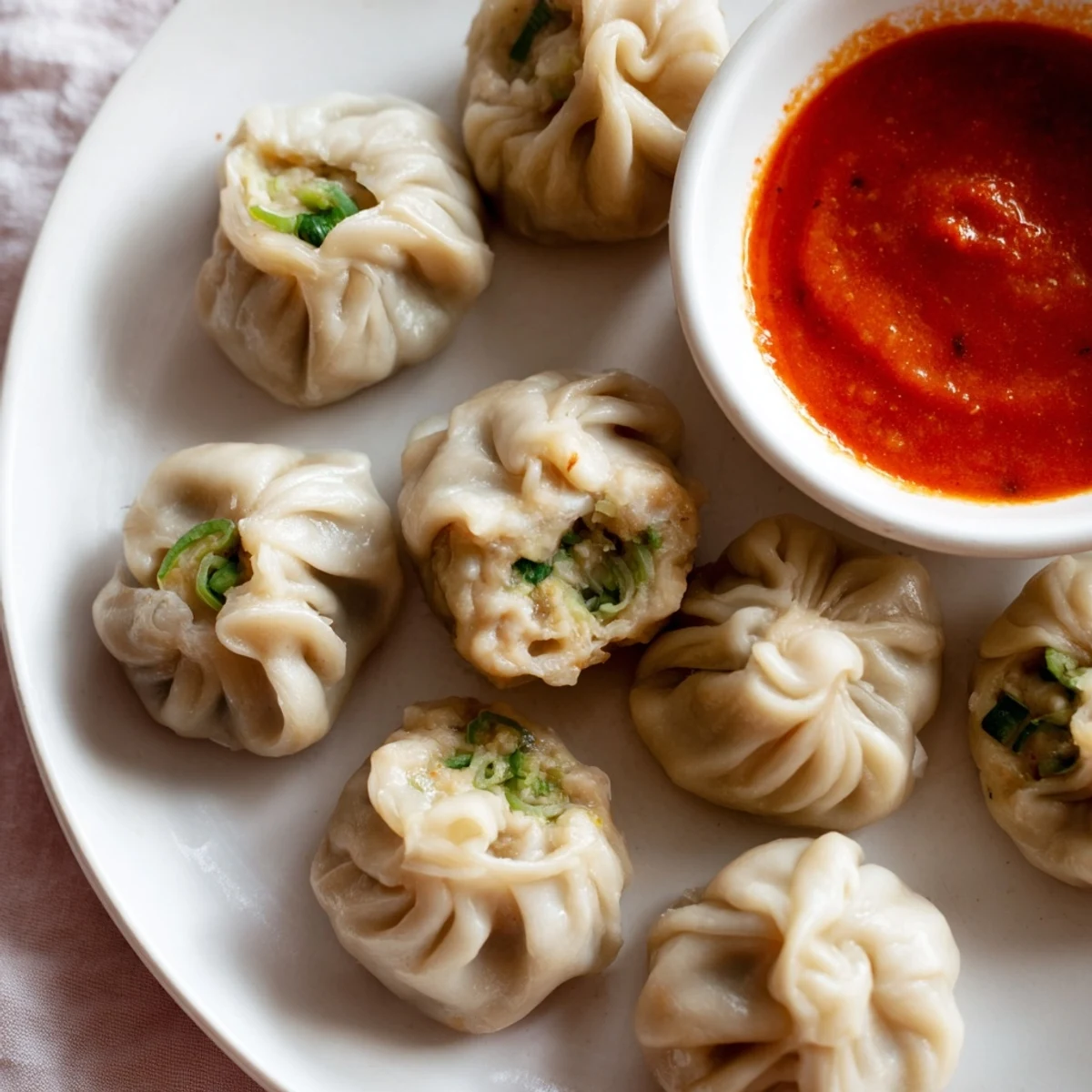
Save These dumplings have become my dinner party secret weapon because they look impressive but are actually quite forgiving. I love watching guests light up when they bite into that first juicy pocket, their eyes widening at the burst of spices and herbs.
Getting the Fold Right
The first few momos you make will probably look a bit wonky, and that is absolutely part of the process. I found that watching videos of Nepali home cooks helped me understand the pleating motion, but honestly, even imperfectly folded momos taste incredible. The key is pinching the seal tightly so none of those precious juices escape during steaming.
Making Them Vegetarian
When I make vegetarian momos, I use crumbled firm tofu mixed with finely chopped cabbage, carrots, and the same aromatic spices. The trick is squeezing excess moisture from the vegetables before mixing so the filling does not become soggy. These vegetable versions are just as satisfying and have a beautiful bright green and orange flecked appearance.
Batch Cooking and Freezing
One discovery that changed my momo game was learning how well they freeze for future meals. I often double the recipe and freeze uncooked momos on a baking sheet before transferring them to bags, which means homemade dumplings are always just 15 minutes of steaming away. Having a stash in the freezer feels like having a secret weapon for those nights when cooking from scratch feels impossible.
- Freeze uncooked momos in a single layer first so they do not stick together
- Steam frozen momos directly from the freezer, adding just 2 to 3 extra minutes
- The dipping sauce can be made ahead and keeps in the refrigerator for up to a week
 Save
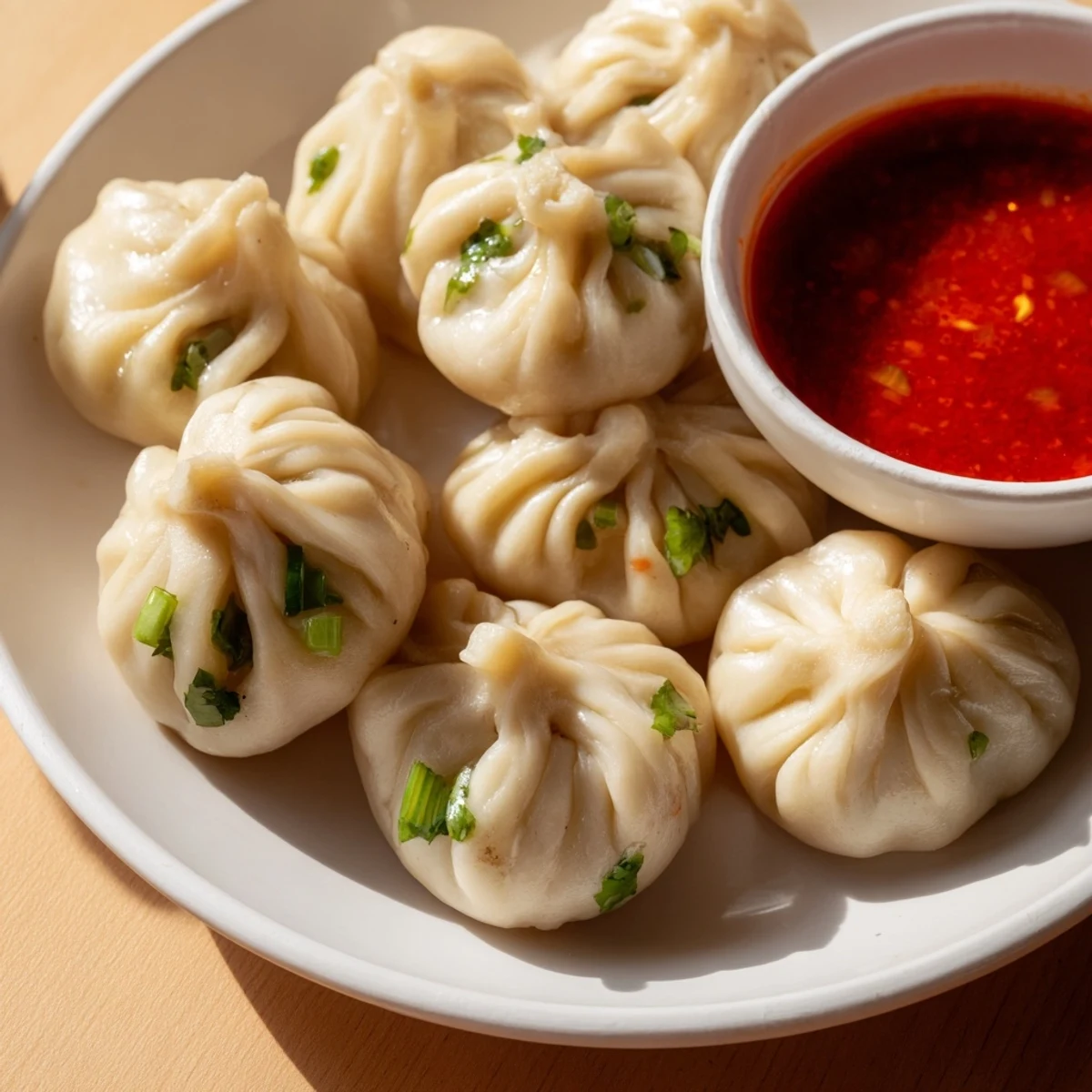
Save Whether you are making these for a special gathering or just a cozy Sunday dinner, momos have a way of bringing people together. Happy folding.
Recipe FAQs
- → What makes Nepali momo different from other dumplings?
-
Nepali momo feature thinner, more delicate wrappers than many Asian dumplings. The filling emphasizes aromatic spices like cumin, coriander, and fresh ginger-garlic paste. The accompanying tomato-based charred dipping sauce is distinctly Himalayan, offering bright acidity that complements the rich filling perfectly.
- → Can I freeze uncooked momo for later?
-
Absolutely. Arrange shaped, uncooked momos in a single layer on a baking sheet and freeze until firm. Transfer to freezer bags for up to one month. Steam directly from frozen, adding 2-3 minutes to cooking time. No need to thaw first.
- → How do I prevent momo from sticking while steaming?
-
Lightly oil your steamer basket or line with parchment paper, leaving small gaps for steam circulation. Space momos at least one inch apart to prevent sticking together. Avoid overcrowding the steamer, which can cause uneven cooking.
- → What's the secret to getting juicy filling inside?
-
Adding a small cube of butter inside each dumpling before sealing creates extra richness and moisture as it melts during steaming. Also avoid overcooking—steam just until the dough becomes translucent and the filling is hot, typically 10-12 minutes.
- → Can I make the dough and filling ahead of time?
-
Yes. The dough can be made up to 24 hours in advance and refrigerated wrapped tightly. The filling tastes even better after resting for several hours or overnight as flavors meld. Bring both to room temperature before shaping for easiest handling.
- → What are common vegetarian variations?
-
Firm tofu crumbled and mixed with finely chopped cabbage, carrots, and the same aromatic seasonings makes an excellent vegetarian version. Some variations incorporate finely chopped spinach, mushrooms, or paneer for added texture and protein.