
 Save
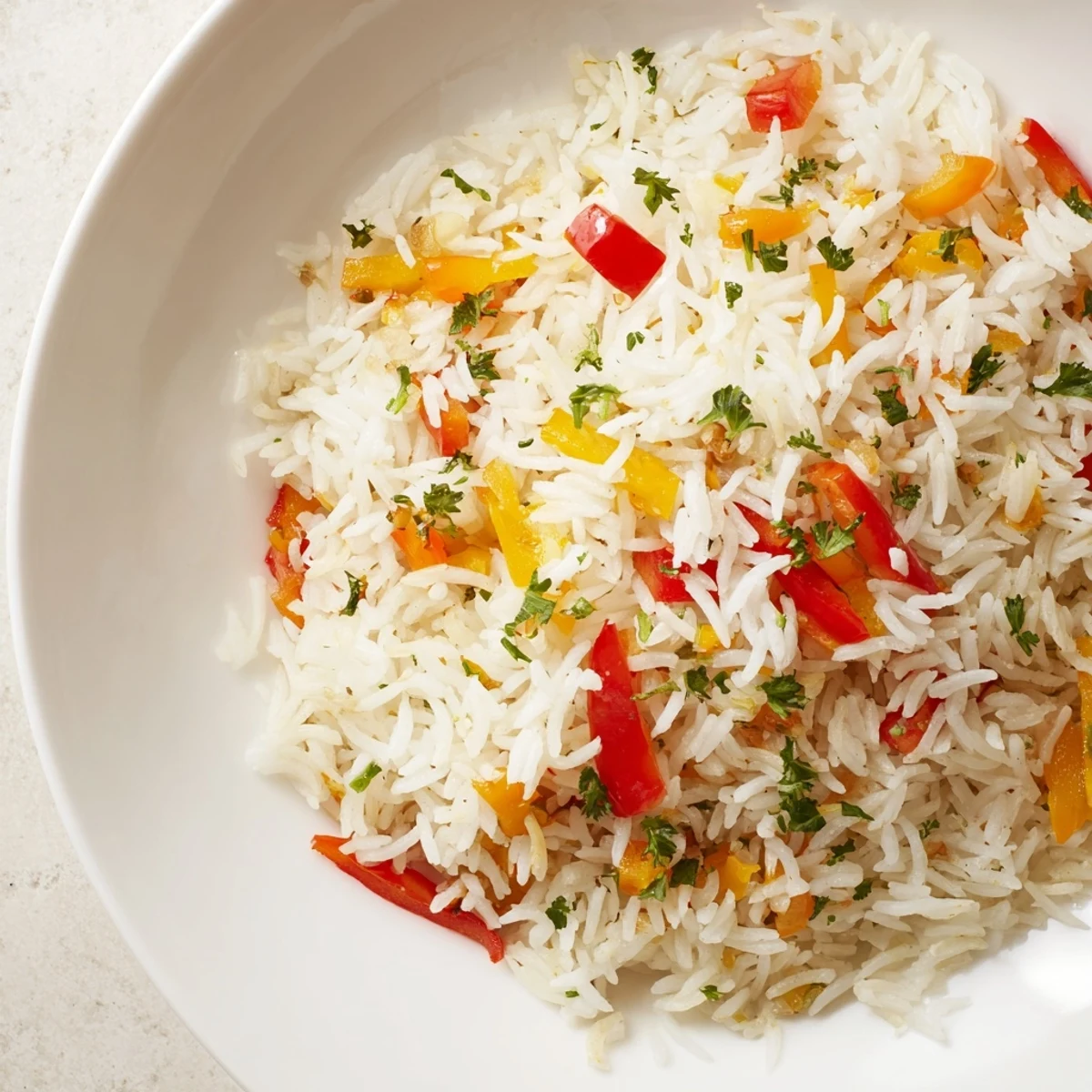
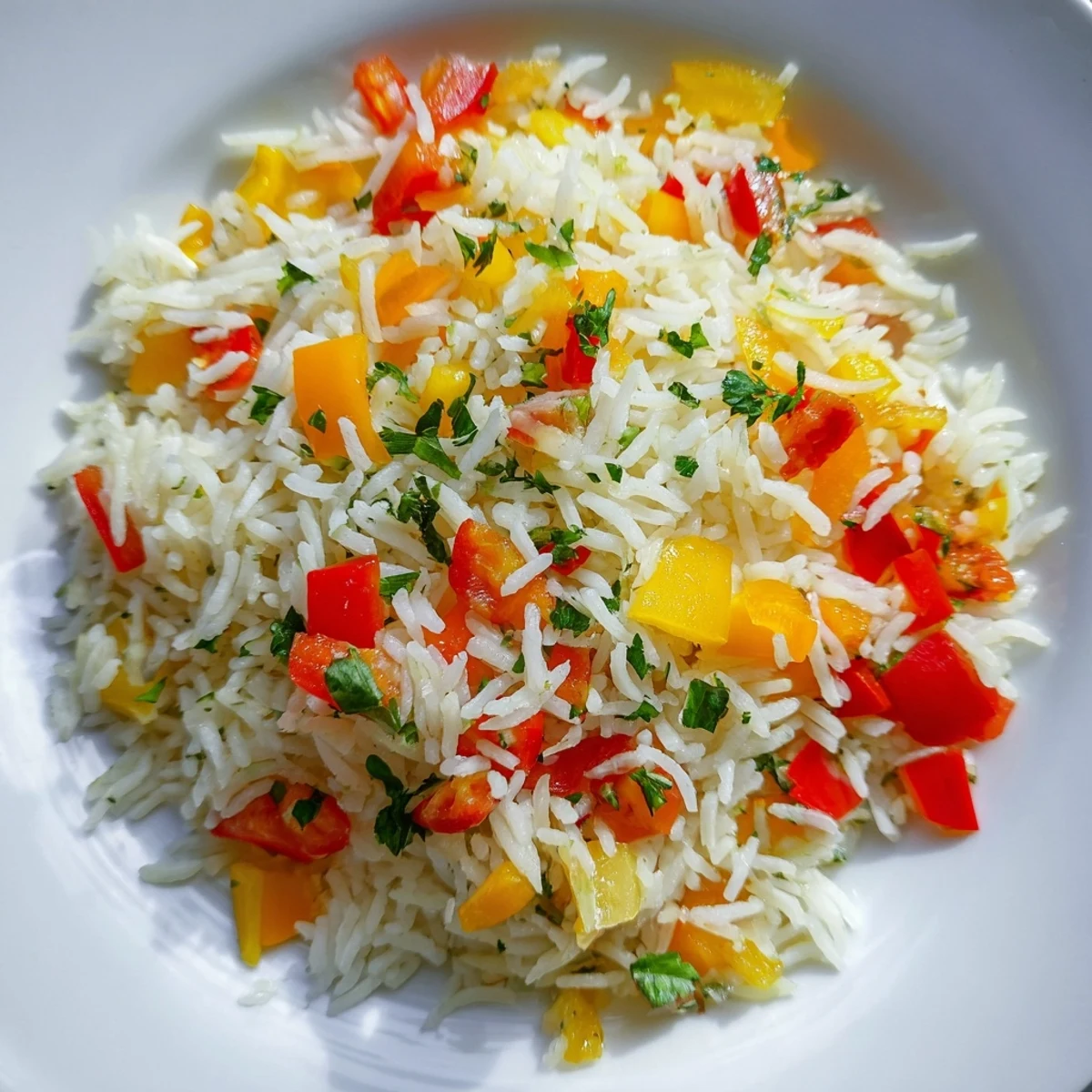
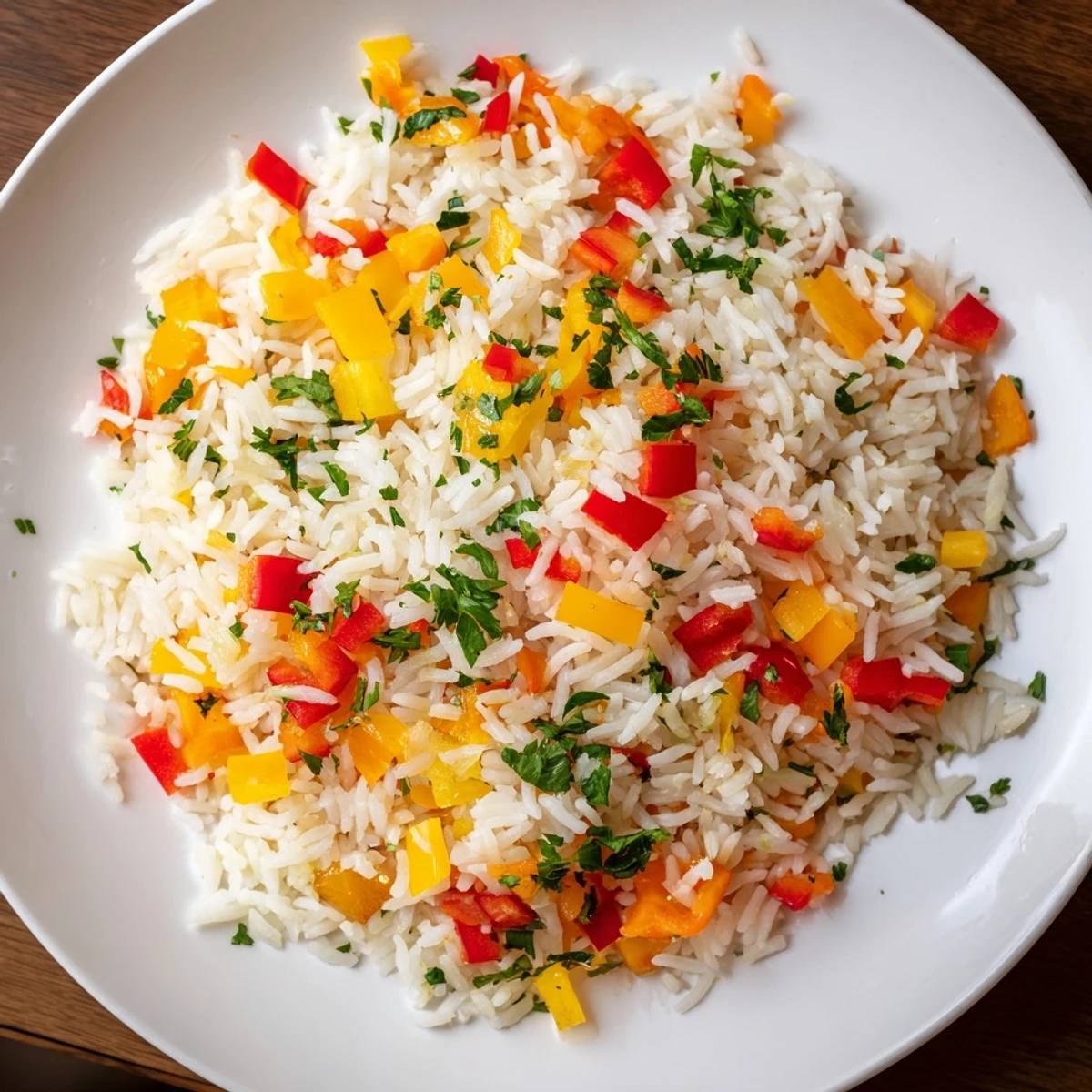
Save This vibrant pilaf blends tender long-grain rice with sautéed onions, minced garlic, and a mix of sweet bell peppers. Simmered in vegetable broth and seasoned with thyme and bay leaf, it delivers a fragrant, savory flavor that complements a variety of mains. Garnish with fresh parsley or cilantro for a bright finish. Easy to prepare, it offers a colorful dish suitable for vegetarian and gluten-free diets, making it a versatile addition to any meal.
The first time I made rice pilaf properly, I finally understood why it tasted so different at my friends house. Her mother had taught her to toast the rice grains in oil first, creating that nutty foundation that elevates simple rice into something special. Now the sizzle of rice hitting hot oil has become one of my favorite kitchen sounds, promising something more than just a plain side dish.
Last summer, I brought this pilaf to a potluck expecting it to be a supporting player, but people kept asking for the recipe. Something about the colorful peppers and fragrant thyme made it feel celebratory, and I watched more than one person go back for seconds. Now its my go to when I need a dish that feels thoughtful without demanding hours of attention.
Ingredients
- 1 cup long grain white rice: Basmati or jasmine work beautifully here, and rinsing until the water runs clear is the secret to separate, fluffy grains
- 1 medium yellow onion, finely chopped: Yellow onions become sweet and mellow when sautéed, forming the aromatic backbone of the dish
- 1 red bell pepper and 1 yellow bell pepper, diced: Using two colors creates that gorgeous mosaic look and adds varying notes of sweetness
- 2 cloves garlic, minced: Add this after the peppers so it doesnt burn and turn bitter
- 2 cups low sodium vegetable broth: Low sodium lets you control the seasoning perfectly, but any broth you love will work
- 1 tablespoon olive oil: Just enough to coat the rice and vegetables for that essential toasting step
- 1 teaspoon salt and 1/4 teaspoon ground black pepper: Adjust these to your taste, remembering the broths salt level
- 1/2 teaspoon dried thyme and 1 bay leaf: Thyme adds earthy warmth while the bay leaf infuses subtle depth
- 2 tablespoons chopped fresh parsley or cilantro: The finishing touch that brightens everything with fresh color and flavor
Instructions
- Rinse the rice:
- Run the rice under cold water until it flows clear, then drain it well so the grains toast rather than steam
- Sauté the vegetables:
- Heat olive oil in a medium saucepan over medium heat, cook the onion for 2 to 3 minutes until translucent, then add peppers for another 3 to 4 minutes
- Add the garlic and rice:
- Stir in the garlic for 30 seconds until fragrant, then add the rice and cook for 1 to 2 minutes, stirring constantly to coat every grain
- Simmer to perfection:
- Pour in the broth with salt, pepper, thyme, and bay leaf, bring to a gentle boil, then cover and reduce heat to low
- Let it rest:
- Cook for 15 to 18 minutes until the liquid is absorbed, remove from heat, and let stand covered for 5 minutes
- Finish and serve:
- Discard the bay leaf, fluff gently with a fork, and scatter fresh herbs over the top
 Save
Save My sister called me recently asking why her rice always turned out sticky and heavy. When I walked her through the rinsing and toasting steps, she texted me later that evening with a photo of fluffy, separate grains and said she felt like shed unlocked a secret level of cooking. Sometimes the smallest techniques make the biggest difference.
Making It Your Own
This pilaf is incredibly forgiving once you understand the basic method. Ive thrown in frozen peas during the last few minutes of cooking, stirred in corn kernels for extra sweetness, and even added a pinch of smoked paprika when I wanted something deeper and more complex.
Perfect Pairings
The beauty of this dish is its versatility on the table. It holds its own alongside grilled chicken or fish, but it also shines as the centerpiece of a vegetarian meal with a crisp green salad and some crusty bread. The Mediterranean flavors bridge so many different cuisines and main courses.
Storage and Reheating
This pilaf keeps beautifully and actually develops more flavor after a day in the refrigerator. Store it in an airtight container for up to 4 days, and reheat gently with a splash of water or broth to refresh the grains without drying them out.
- Leftovers make an excellent base for fried rice the next day
- If reheating on the stove, cover the pan to trap steam
- Let the pilaf come to room temperature before refrigerating to avoid condensation
 Save
Save There is something deeply satisfying about transforming simple ingredients into a dish that feels complete and nourishing. This pilaf has become my reminder that good cooking does not require complexity, just attention and care.
Recipe FAQs
- → What type of rice is best for this pilaf?
-
Long-grain rice varieties like Basmati or Jasmine work best, as they remain fluffy and separate after cooking.
- → Can I use different vegetables in the dish?
-
Yes, adding peas or corn enhances sweetness and color, while substituting bell pepper colors adds variety.
- → How should I cook the rice for ideal texture?
-
Rinse the rice until water is clear, then simmer gently in broth until tender and liquid absorbed for a fluffy texture.
- → Is it possible to prepare this pilaf ahead of time?
-
It can be cooked in advance and stored refrigerated for up to two days, maintaining flavor and texture when reheated gently.
- → What herbs complement the flavor in this dish?
-
Dried thyme and fresh parsley or cilantro garnish add aromatic depth and freshness to the pilaf.