
 Save
Save This roasted butternut squash soup delivers silky comfort in every spoonful. The squash gets caramelized in the oven alongside onions, carrots, and garlic before being simmered with vegetable broth and pureed to perfection. Warm spices like cumin and cinnamon enhance the natural sweetness, while a splash of coconut milk or cream adds luxurious texture. Ready in just over an hour, this vegetarian and gluten-free soup serves four generously.
There is something almost meditative about peeling a butternut squash on a gray November afternoon. I had come home from work absolutely exhausted, needing something that felt like a hug but did not require three hours of attention. The house was cold, my hands were stiff, and I honestly just wanted warmth in a bowl. Roasting vegetables seemed like the perfect solution, the kind of cooking that fills the kitchen with comfort while you do other things like sip tea and watch the rain hit the window.
Last autumn my sister came over unexpectedly when I had a batch of this soup bubbling away. She stood in the kitchen doorway just breathing in the cinnamon and roasted squash smell, then asked if there was enough for two. We ended up eating it standing at the counter with bread torn directly from a fresh loaf, talking about everything and nothing until the pot was empty. Some meals just invite that kind of pause.
Ingredients
- 1 large butternut squash (about 2 lbs), peeled and cubed: The star of the show, and roasting concentrates its natural sugars into something almost dessert-like
- 1 large yellow onion, chopped: Becomes sweet and mellow when roasted, providing a savory foundation
- 2 carrots, peeled and sliced: Add an extra layer of sweetness and color
- 3 garlic cloves, peeled: Roast them whole and they will mellow beautifully
- 2 tbsp olive oil: Helps the vegetables caramelize and roast evenly
- 4 cups vegetable broth: Use a good quality broth since it provides most of the seasoning base
- 1/2 cup coconut milk or heavy cream: Optional but makes the soup incredibly luxurious
- 1/2 tsp ground cumin: Adds an earthy warmth that pairs perfectly with the squash
- 1/4 tsp ground cinnamon: Just enough to hint at fall without making the soup taste like dessert
- Salt and black pepper, to taste: Essential for bringing all the flavors together
Instructions
- Roast the vegetables:
- Preheat your oven to 400°F (200°C) and toss the squash cubes, onion, carrots, and garlic with olive oil, cumin, cinnamon, salt, and pepper until everything is coated. Spread the mixture on a baking sheet in a single layer.
- Let them caramelize:
- Roast for 30 to 35 minutes until the squash is golden brown and tender when pierced with a fork, stirring halfway through so nothing burns.
- Start the soup base:
- Transfer all those beautifully roasted vegetables into a large pot and pour in the vegetable broth. Bring everything to a boil, then reduce the heat and let it simmer for about 10 minutes.
- Blend until silky:
- Use an immersion blender right in the pot to puree the soup until smooth and creamy, or work in batches with a countertop blender if that is what you have.
- Add the finishing touch:
- Stir in the coconut milk or cream if using, then taste and adjust the seasoning with more salt or pepper as needed.
- Serve it up:
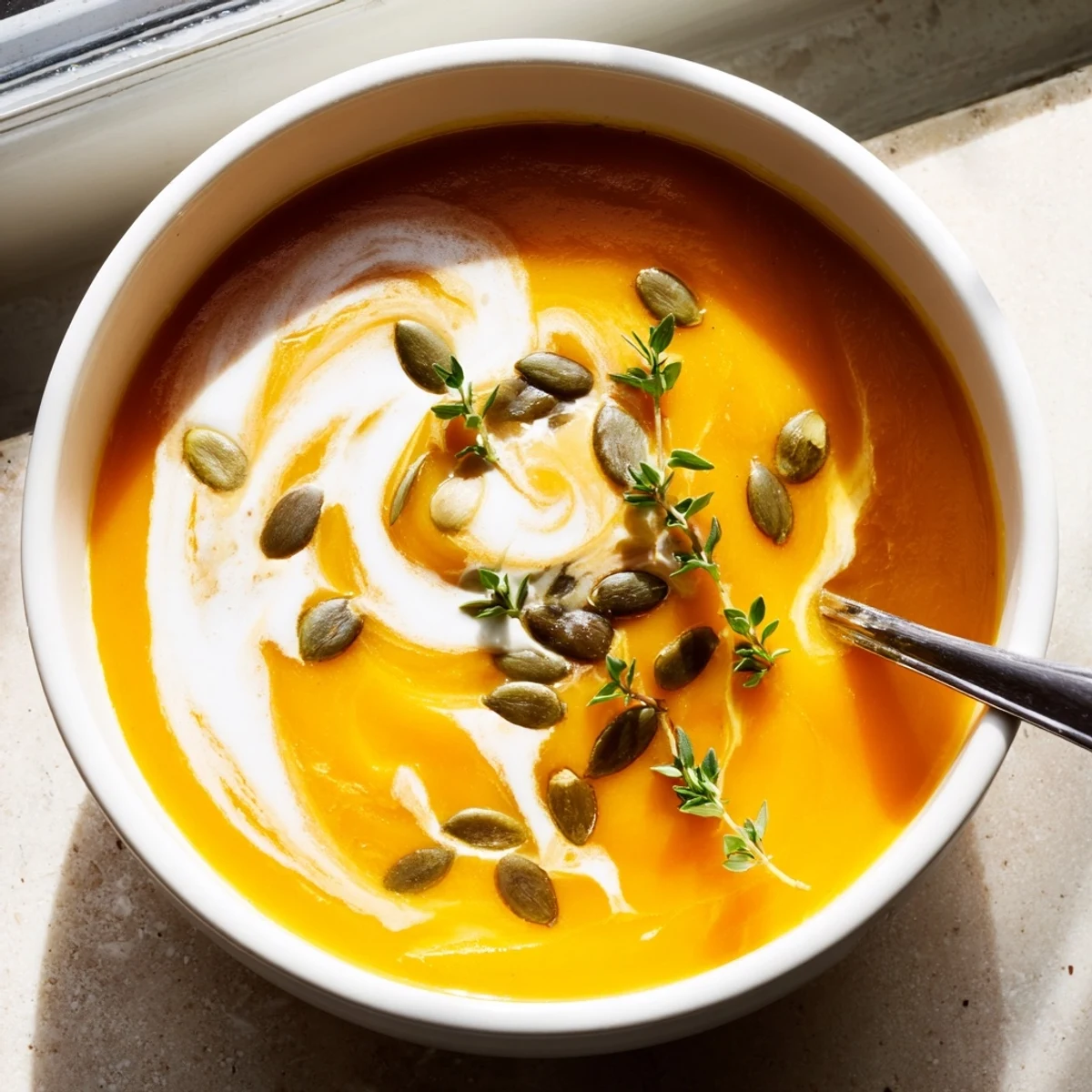
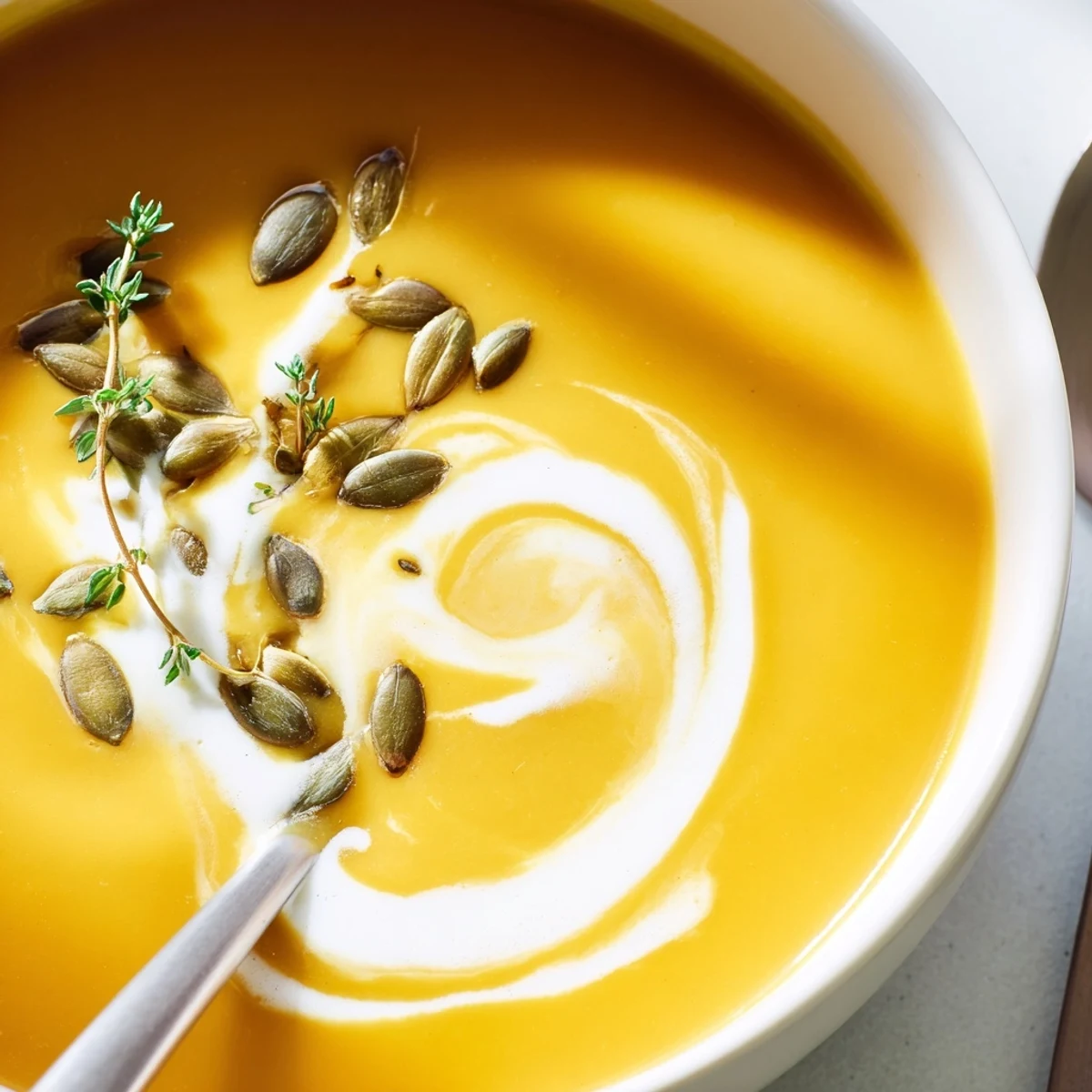
- Ladle the hot soup into bowls and garnish with fresh thyme leaves, toasted pumpkin seeds, and an extra swirl of cream if you like.
 Save
Save This recipe has become my go-to whenever someone needs comforting. A friend recovering from surgery, a neighbor going through a rough time, or just a Tuesday when the world feels heavy. Soup somehow says what words cannot.
Making It Your Own
I have discovered that roasting brings out qualities in vegetables that boiling never could. The squash becomes sweeter, the onions turn almost jammy, and the garlic loses its harsh bite. You can experiment with different root vegetables like sweet potatoes or parsnips, though they may change the cooking time slightly.
Texture Matters
Some nights I prefer this soup completely smooth and velvety, while other times I leave it slightly chunky for more texture. An immersion blender gives you more control since you can stop whenever you like. If you want it restaurant-smooth, pass it through a fine mesh sieve after blending.
Perfect Pairings
A slice of crusty bread is the classic choice for soaking up every last drop, but I have also served this alongside a simple green salad with bright vinaigrette to cut through the richness. For a more substantial meal, grilled cheese sandwiches make this feel like childhood comfort food elevated.
- Make a double batch and freeze half for nights when cooking feels impossible
- Try adding a pinch of cayenne if you like a little warmth behind the sweetness
- The soup actually tastes better the next day as flavors have time to meld
 Save
Save There is quiet joy in a bowl of soup made with care, even on the most ordinary days.
Recipe FAQs
- → Can I make this soup ahead of time?
-
Absolutely. This soup actually tastes better the next day as flavors have time to meld. Store in an airtight container in the refrigerator for up to 4 days. Reheat gently on the stovetop, adding a splash of broth if needed to adjust consistency.
- → How do I get the smoothest texture?
-
Roasting the vegetables first develops natural sweetness and ensures they're fully tender before blending. Use an immersion blender directly in the pot for convenience, or work in batches with a high-speed blender. For ultra-silky results, strain through a fine-mesh sieve after pureeing.
- → Can I freeze this soup?
-
Yes, this soup freezes beautifully. Let it cool completely before transferring to freezer-safe containers, leaving space for expansion. Freeze for up to 3 months. Thaw overnight in the refrigerator and reheat on the stovetop, stirring occasionally.
- → What can I use instead of coconut milk?
-
Heavy cream creates the richest texture, but you can also use half-and-half for a lighter version. For dairy-free options, try cashew cream, oat milk, or simply omit the creamy element—the soup remains deliciously velvety from the roasted squash alone.
- → How do I choose the best butternut squash?
-
Look for squash that feels heavy for its size with matte, tan skin free of deep cuts or soft spots. A solid, intact stem indicates freshness. Store whole squash in a cool, dark place for up to a month. Once cut, refrigerate and use within a week.