
 Save
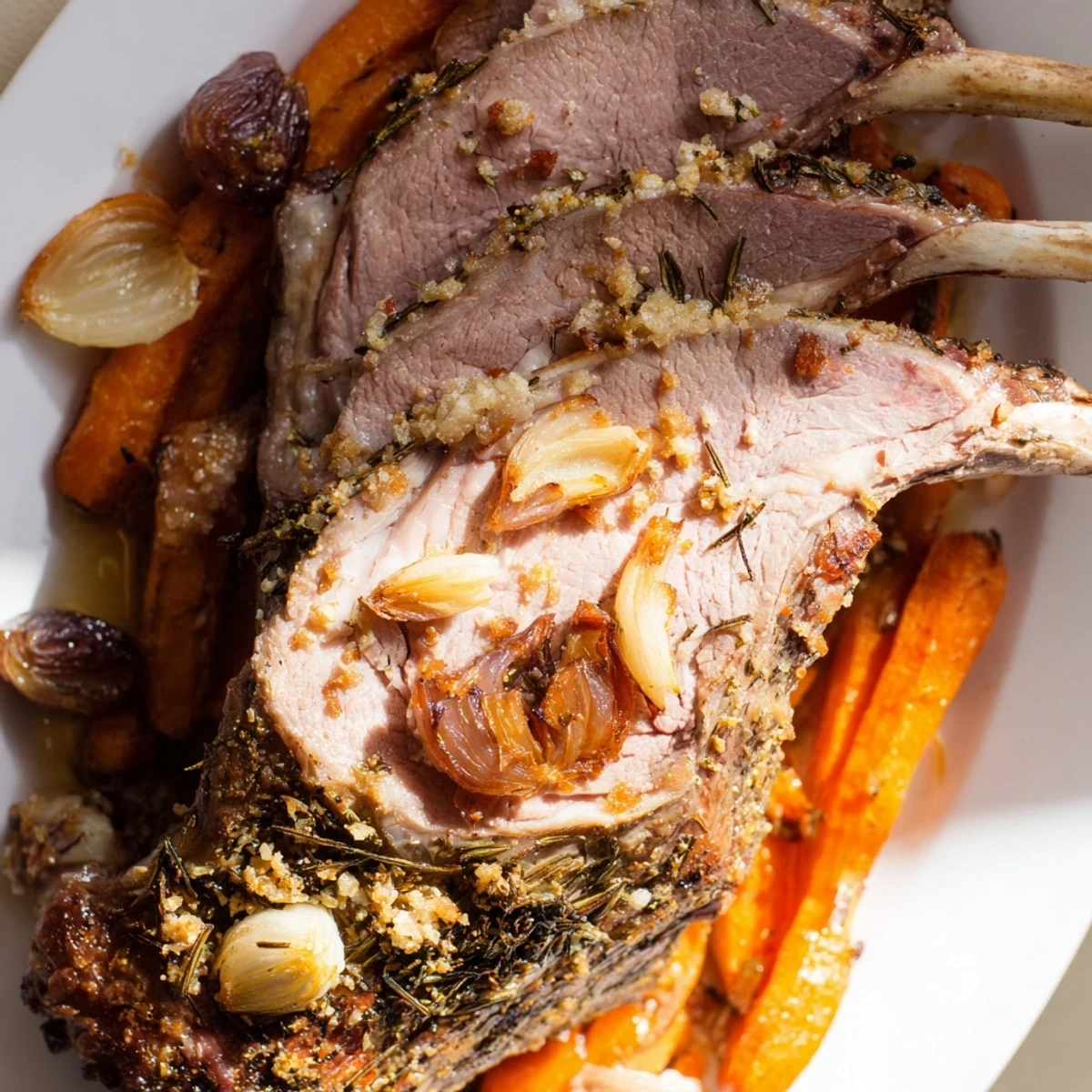
Save This dish features a bone-in lamb leg rubbed with olive oil, fresh rosemary, garlic, and lemon zest. Deep slits are made to insert garlic cloves, enhancing the aroma and flavor throughout the meat. The lamb is roasted atop a bed of sliced onions, carrots, and garlic, with dry white wine or stock added to keep it moist. After roasting at a high temperature then lowering for a slow finish, the lamb rests to retain its juices. This method guarantees tender, juicy slices served along with roasted vegetables and delicious pan juices.
The kitchen smelled incredible before I even realized what hit me. Rosemary and garlic roasting together will do that to you. I first made this leg of lamb for Easter dinner years ago when I decided I was ready to tackle something impressive. My family still talks about that Sunday.
Last Christmas my sister asked if I would make the lamb again. She remembered how the house smelled when she walked through the door that first time. Now it is become our holiday tradition and honestly I look forward to it all year.
Ingredients
- 2.2 kg (5 lb) bone-in leg of lamb, trimmed: Bone-in adds flavor and helps keep the meat moist during roasting. Ask your butcher to trim excess fat if needed.
- 4 tbsp olive oil: Helps the herb mixture adhere and creates a beautiful golden crust.
- 6 garlic cloves, peeled and halved: Tucking these into slits infuses the meat from the inside out.
- 2 tbsp fresh rosemary leaves, chopped: Fresh rosemary makes a difference here. The woody aroma becomes more floral as it roasts.
- 1 tbsp fresh thyme leaves: Optional but worth it. Thyme plays so nicely with lamb and rosemary.
- 1 tbsp coarse sea salt: Coarse salt provides texture and helps form that gorgeous crust.
- 1 ½ tsp black pepper: Freshly cracked gives the best result.
- Zest of 1 lemon: Brightens everything and cuts through the rich meat.
- 2 large onions, thickly sliced: These create a natural roasting rack and sweeten as they caramelize.
- 3 large carrots, cut into large chunks: Large chunks will not turn to mush during the long roasting time.
- 1 bulb garlic, halved horizontally: Roasted garlic cloves become sweet and spreadable.
- 250 ml (1 cup) dry white wine or low-sodium chicken stock: Creates flavorful pan juices for basting and serving.
Instructions
- Preheat your oven:
- Set it to 200°C (400°F). Pat the lamb leg completely dry with paper towels so the seasonings stick properly.
- Mix your herb paste:
- Combine olive oil chopped rosemary thyme lemon zest salt and pepper in a small bowl. It should look like a thick fragrant paste.
- Prepare the lamb:
- Using a sharp knife make deep slits all over the meat. Push the halved garlic cloves into each slit.
- Season thoroughly:
- Rub that herb mixture all over the lamb. Get into every crevice and really massage it in.
- Build the roasting bed:
- Arrange onion slices carrot chunks and that halved garlic bulb in your roasting pan. This elevates the lamb and flavors your drippings.
- Start the roast:
- Place the lamb on the vegetables and pour in your wine or stock. Let it roast at high heat for 20 minutes to sear the exterior.
- Finish at lower temperature:
- Reduce oven to 180°C (350°F) and continue roasting for about 1 hour 10 minutes. Baste every 20 minutes or so with those pan juices.
- Rest before carving:
- The internal temperature should reach 60°C (140°F) for medium-rare. Cover loosely with foil and let it rest for 15-20 minutes.
 Save
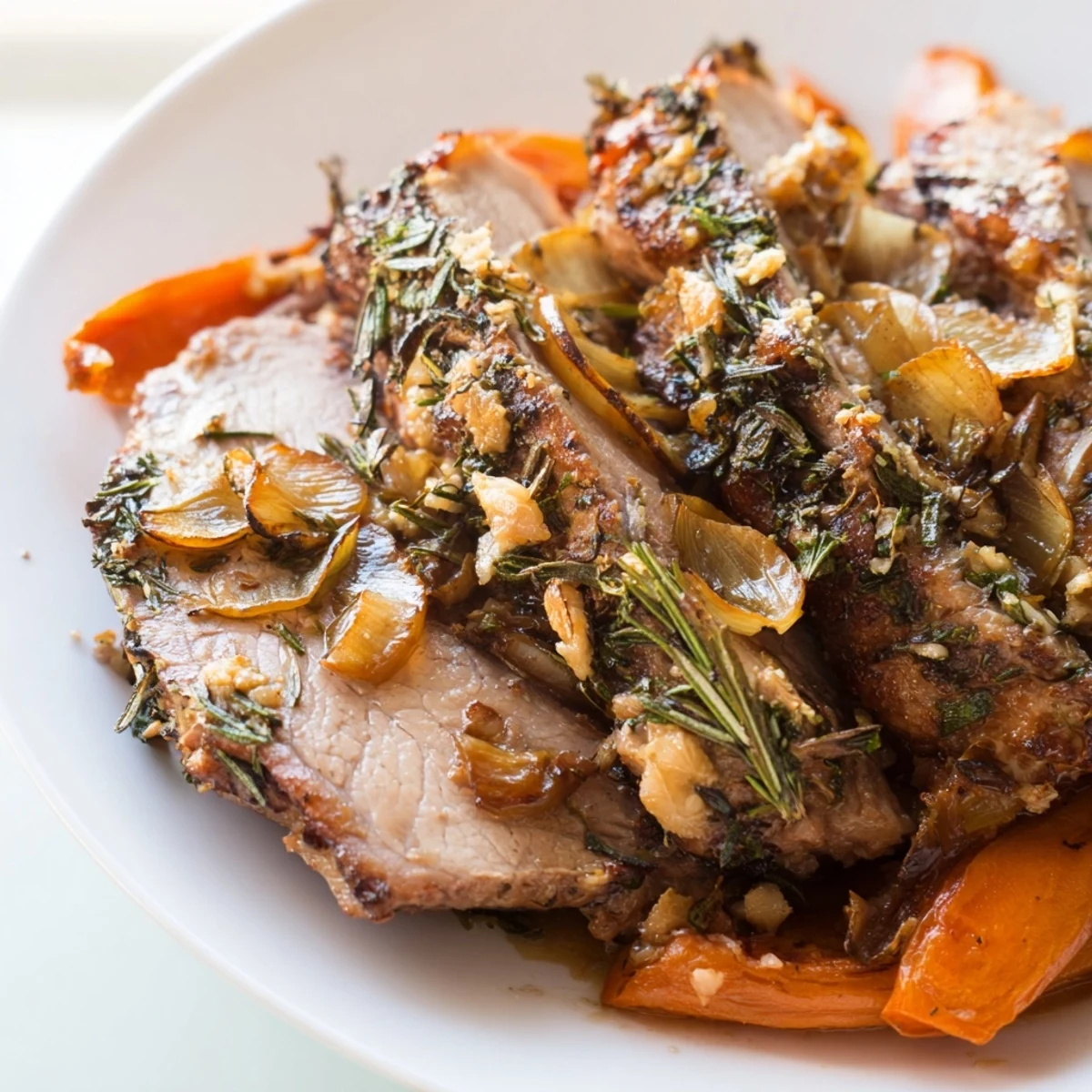
Save Watching everyone gather around the carving board is the best part. The meat is pink and tender and those roasted vegetables from the pan disappear first. My dad always asks for the end cut.
Making Ahead
You can prepare the herb mixture and stuff the garlic slits up to a day ahead. Keep the lamb refrigerated then let it sit at room temperature for about an hour before roasting. This helps it cook more evenly.
Leftover Magic
Cold roast lamb makes incredible sandwiches the next day. Pile it onto good bread with some horseradish or garlic aioli. The flavors actually get better overnight.
Wine Pairing
A bold red wine stands up beautifully to lamb. Think Cabernet Sauvignon Syrah or a Rioja. The same wine you cook with works perfectly on the table.
- Aim for medium-rare to medium for the most tender results
- Save those pan juices to drizzle over the carved meat
- Letting the lamb rest is not optional it makes all the difference
 Save
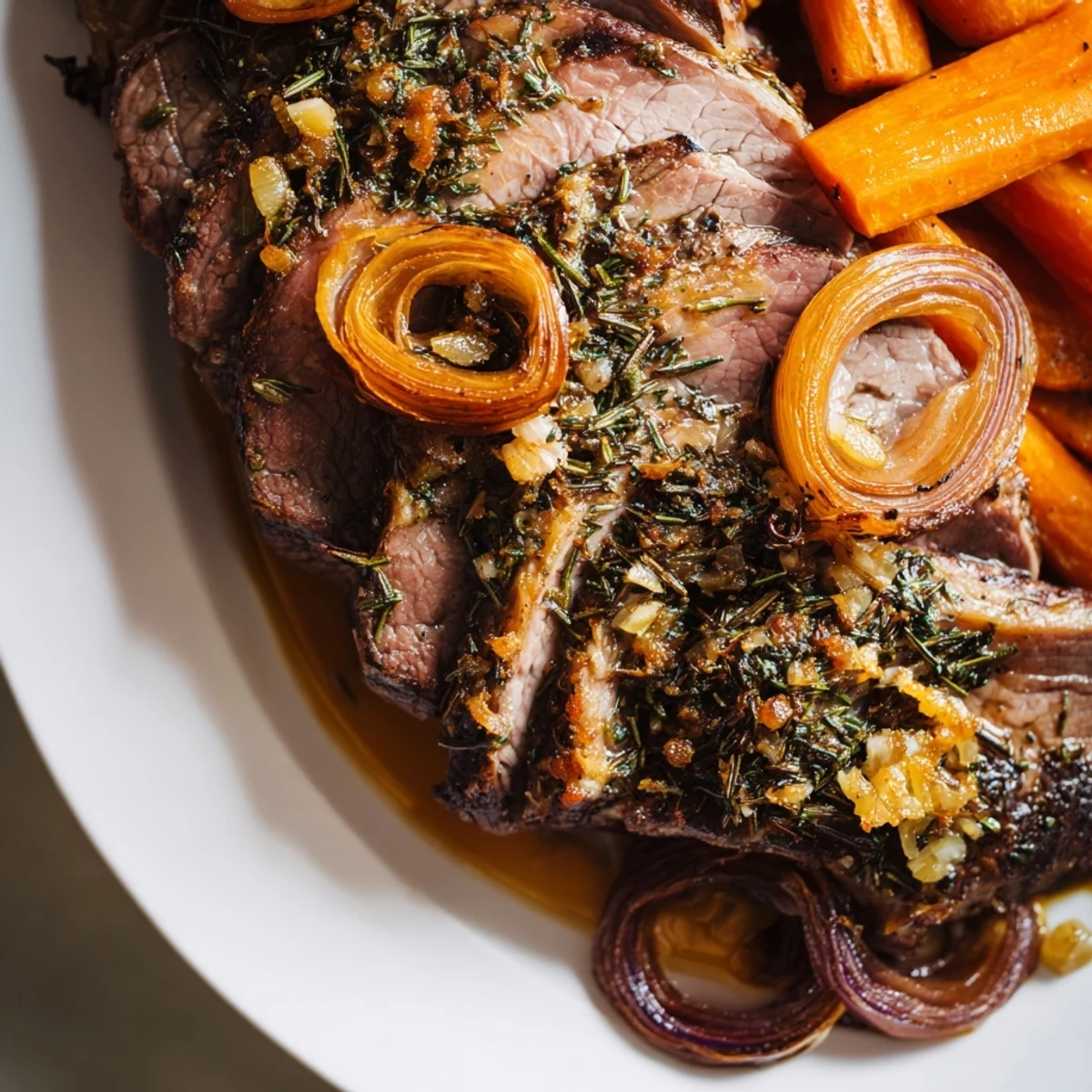
Save There is something deeply satisfying about serving a perfectly roasted leg of lamb. It looks impressive on the table but honestly the hardest part is waiting for it to rest.
Recipe FAQs
- → What is the best way to prepare the lamb for roasting?
-
Pat the lamb dry and make deep slits to insert garlic cloves. Rub with olive oil, rosemary, thyme, lemon zest, salt, and pepper for full flavor penetration.
- → How do the vegetables contribute to the dish?
-
Onions, carrots, and a garlic bulb are roasted under the lamb, infusing the meat with moisture and creating a flavorful base for pan juices.
- → What cooking temperature and timing ensure tender lamb?
-
Start roasting at 200°C (400°F) for 20 minutes, then reduce to 180°C (350°F) for about 70 minutes to achieve medium-rare tenderness.
- → Can this dish be prepared ahead of time?
-
Marinating the lamb overnight in the fridge with herbs and olive oil enhances flavor and tenderness before cooking.
- → What are good wine pairings for this lamb preparation?
-
Rich red wines like Cabernet Sauvignon or Syrah complement the savory, herb-infused flavors of the roasted lamb.
- → Are there suitable vegetable substitutions?
-
Baby potatoes or parsnips can replace carrots for a different texture and flavor profile in the roasted vegetable bed.