
 Save
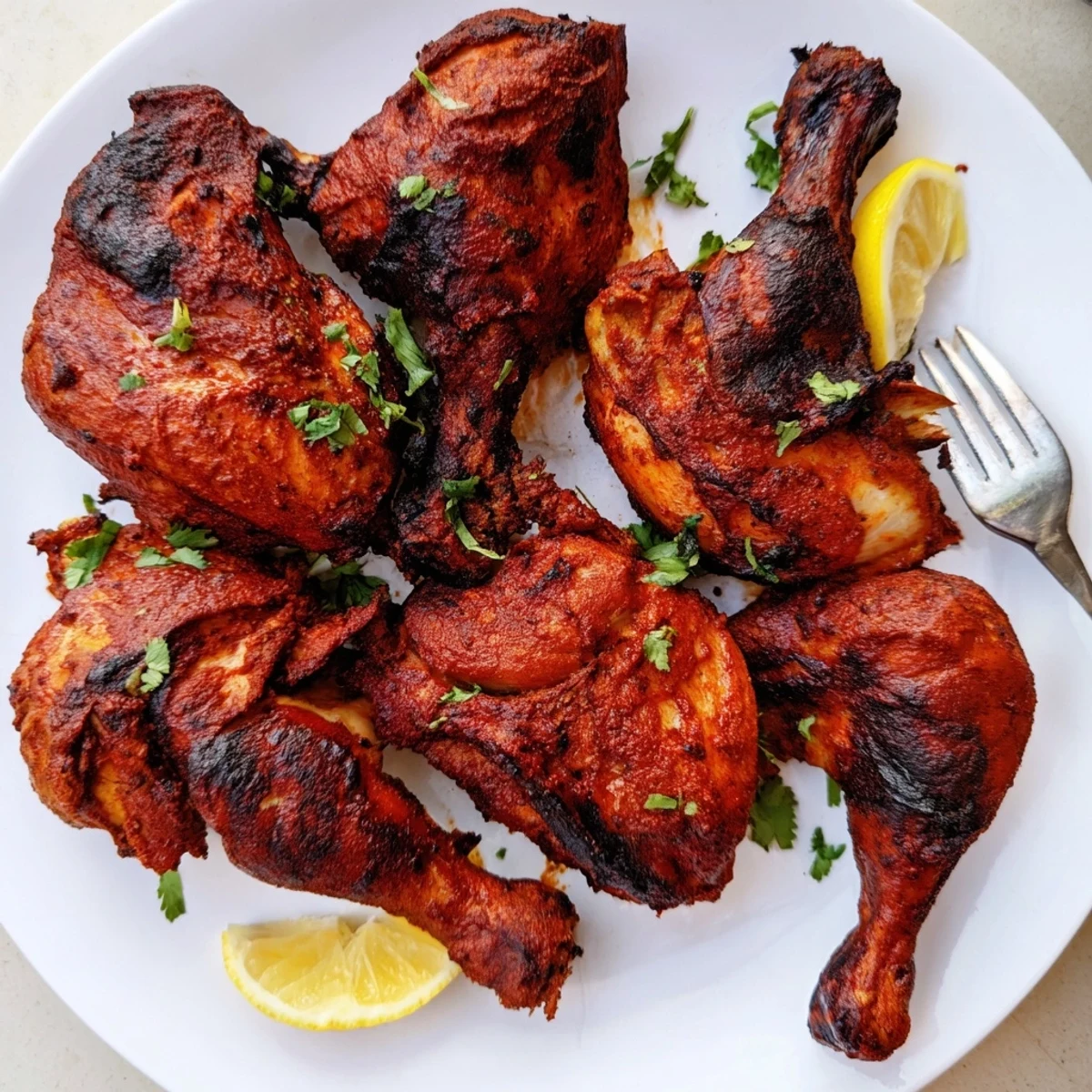
Save Make shallow slits in skinless legs and thighs, then coat in a yogurt-based spice mix with lemon, ginger, garlic and tandoori masala. Chill 4–24 hours to tenderize and deepen flavor. Roast at 220°C (425°F) or grill over hot coals until juices run clear and edges are lightly charred, about 30–35 minutes, turning and basting once. Serve hot with cilantro and lemon; pair with naan, rice or cooling raita.
The smell hit me before I even opened the oven door, that deep red spice char mixing with something almost buttery from the yogurt, and I knew right then this tandoori chicken was going to ruin every other version I had ever ordered at a restaurant. My apartment filled with smoke and my fire alarm sang its opinion, but those slightly blackened edges on the chicken thighs were pure poetry. I have been chasing that exact result ever since, tweaking and learning until it became the dish friends actually request by name.
I cooked this for my neighbor Rajesh one summer evening when he mentioned his grandmother in Lucknow used to make tandoori on an open fire. He stood in my kitchen eating straight off the baking sheet with his fingers, not even waiting for a plate, and said it transported him somewhere specific that he had not visited in years. That is the thing about this dish, it carries memory in its smoke.
Ingredients
- 1.5 lbs (700 g) chicken legs and thighs, skinless: Dark meat is the way to go here because it stays juicy through the aggressive heat, and bone in pieces hold their shape while developing that prized char.
- 1 cup plain yogurt: Whole milk yogurt creates the richest marinade, and the acidity works alongside lemon to break down the fibers gently over hours.
- 2 tbsp lemon juice: Fresh is non negotiable, the bottled stuff has a flat metallic tang that fights against the warm spices.
- 2 tbsp tandoori masala or mild curry powder: Tandoori masala delivers that iconic brick red color and layered warmth, but a good curry powder steps in beautifully if that is what your pantry offers.
- 1 tbsp ginger paste: Ginger brings a peppery brightness that wakes up every other spice in the bowl.
- 1 tbsp garlic paste: Garlic and ginger are the backbone of North Indian marinades, and using paste form ensures even distribution across the meat.
- 1 tsp ground cumin: Cumin adds an earthy depth that grounds the sweeter spices like coriander and paprika.
- 1 tsp ground coriander: Coriander offers a subtle citrus warmth that rounds out the heat without competing with it.
- 1 tsp paprika: Paprika boosts color and contributes a gentle sweetness that balances the chili powder.
- 1/2 tsp ground turmeric: Just a touch is enough, turmeric gives a golden undertone and a faint bitterness that makes the flavor complex.
- 1/2 tsp chili powder (adjust to taste): Start conservative because the heat builds as the marinade sits, and you can always add more next time.
- 1.5 tsp salt: Salt is the difference between a flat marinade and one that makes you close your eyes at the first bite.
- 2 tbsp vegetable oil: Oil helps the spices bloom under high heat and keeps the chicken from sticking to the rack.
- Fresh cilantro, chopped (optional): A handful of cilantro at the end cuts through the richness with something green and alive.
- Lemon wedges (optional): A final squeeze of lemon right before eating brightens every spice and makes the smoky notes sing.
Instructions
- Score the chicken:
- Take a sharp knife and make shallow diagonal cuts across each piece of chicken, about a quarter inch deep, so the marinade can seep into the meat rather than just coating the surface.
- Build the marinade:
- In a large bowl, stir together the yogurt, lemon juice, tandoori masala, ginger paste, garlic paste, cumin, coriander, paprika, turmeric, chili powder, salt, and oil until you get a smooth vibrant paste that smells warm and slightly tangy.
- Coat and rest:
- Drop the chicken into the marinade and use your hands to really work it into every slit and crevice, then cover and refrigerate for at least four hours though overnight is where the magic truly happens.
- Preheat aggressively:
- Crank your oven to 220 degrees Celsius, 425 degrees Fahrenheit, and let it get fully hot because that initial blast of heat is what creates the charred edges that make tandoori irresistible.
- Roast until dramatic:
- Set the chicken on a wire rack over a baking sheet so air circulates underneath, roast for 30 to 35 minutes, turning once halfway through and basting with leftover marinade, until the edges are dark and slightly blackened and the juices run clear.
- Finish and serve:
- Pull the chicken from the oven and let it rest for a few minutes, then scatter with fresh cilantro and serve with lemon wedges pressed on the side of the plate for squeezing over each piece at the table.
 Save
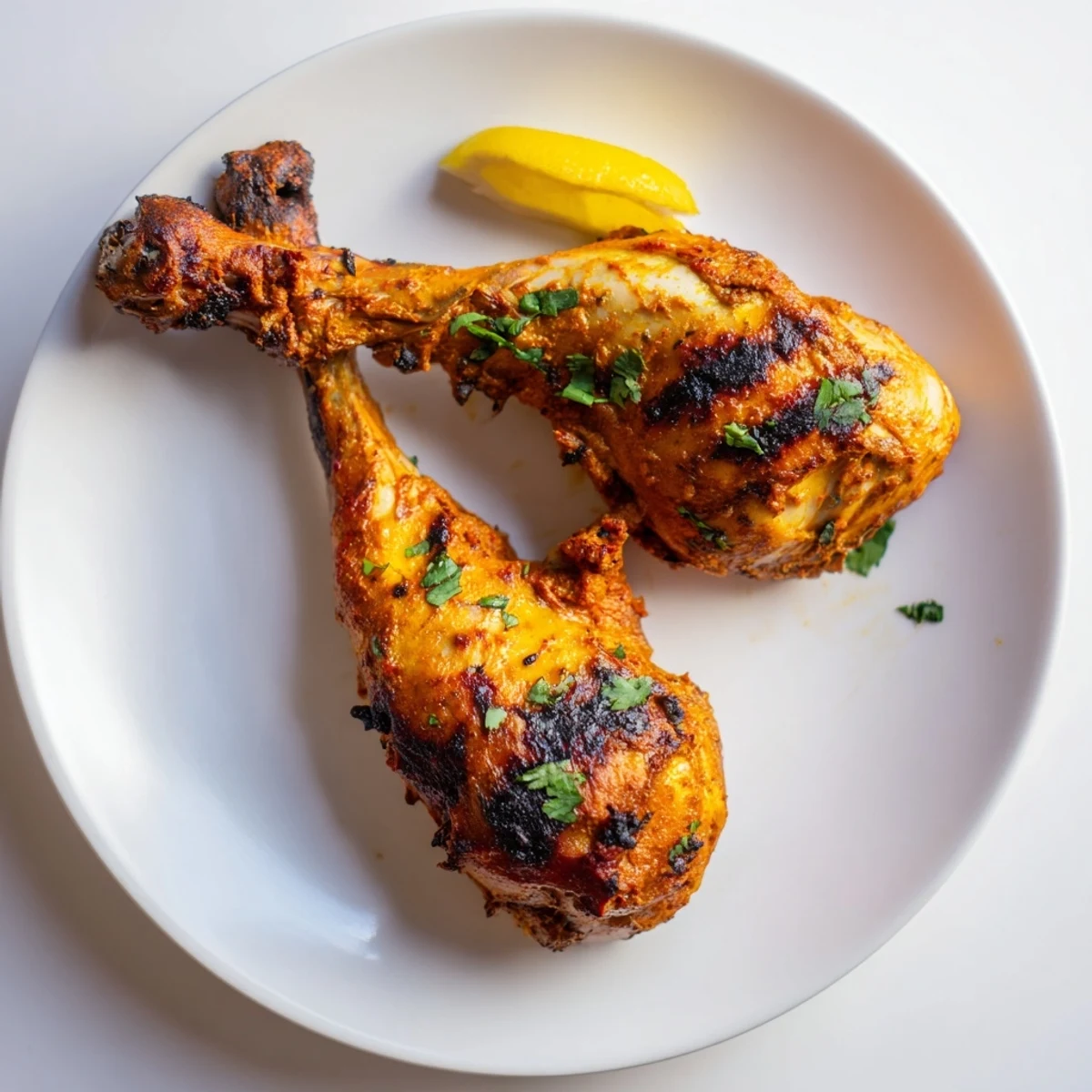
Save There was a rainy Sunday when I doubled the batch for a small gathering and set the platter on the counter with naan and a simple cucumber raita, and everyone stood around eating standing up because nobody wanted to wait long enough to sit down at a table.
Serving Ideas That Actually Work
This chicken shines alongside plain basmati rice because the spiced juices soak into the grains and create something you will want to eat on its own. Wrapping leftover pieces in warm naan with thinly sliced red onion and a drizzle of yogurt sauce turns tomorrow into the meal you look forward to more than today.
Getting That Smoky Char Right
If you have access to an outdoor grill with charcoal, use it, because the drippings hitting hot coals create a flavor no oven can fully replicate. In the oven, the wire rack method is your best friend since it lets heat wrap around the chicken and lets fat drain away so the edges crisp instead of steam.
Making It Your Own
Once you feel confident with the base recipe, start playing with the spice ratios to match your palate, maybe more chili for heat lovers or an extra pinch of garam masala at the end for warmth. The marinade also works beautifully on boneless chicken breasts, just reduce the cooking time to around 20 minutes and watch them closely because lean meat dries out faster than thighs.
- A pinch of food coloring gives that neon red restaurant look but adds nothing to flavor so skip it if you care about taste over appearance.
- Let the cooked chicken rest five minutes before serving so the juices redistribute instead of running out onto the plate.
- Always taste the raw marinade on the back of your hand before adding the chicken so you can adjust salt and heat while you still can.
 Save
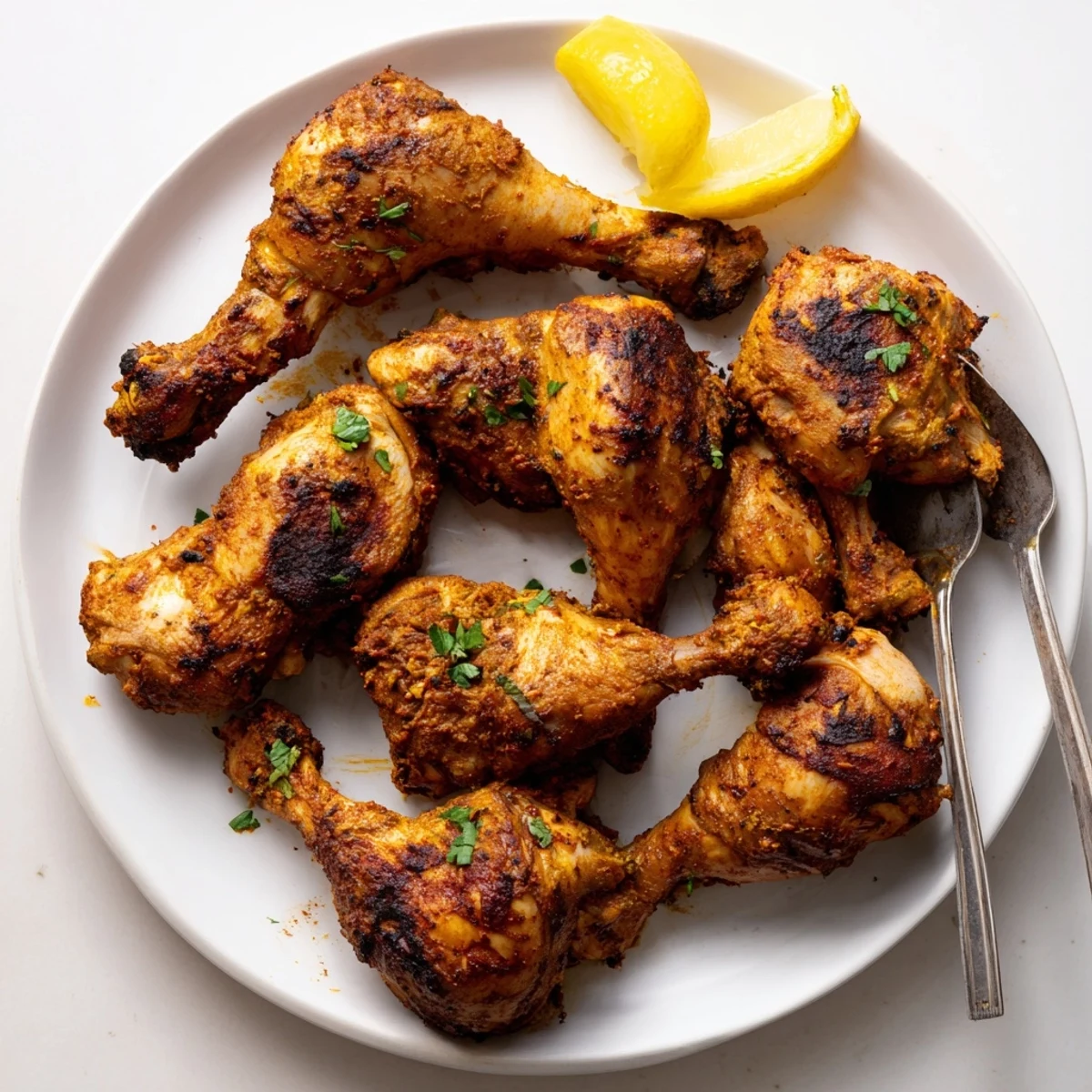
Save Some recipes become staples because they are easy, but this one earns its place because it makes your kitchen smell like a place people want to stay. Share it generously and do not be surprised when it becomes someone elses favorite too.
Recipe FAQs
- → How long should the chicken marinate?
-
Marinate a minimum of 4 hours for flavor penetration; overnight (8–24 hours) yields the most tender, deeply flavored meat as the yogurt and acid break down proteins.
- → Which chicken cuts work best?
-
Bone-in legs and thighs hold moisture and char nicely; boneless pieces are quicker to cook and easier to serve but need a shorter cooking time to avoid drying.
- → How can I get a smoky char without a grill?
-
Roast at high heat on a wire rack to promote airflow and charring. For added smoke, briefly sear finished pieces in a hot pan or add a small piece of smoked paprika or a charred spice paste to the marinade.
- → How do I know when it's fully cooked?
-
Cook until juices run clear and internal temperature reaches 74°C (165°F) in the thickest part. Aim for a slight char on edges without burning for best texture and flavor.
- → How can I adjust the spice level?
-
Reduce or omit chili powder to lower heat, or add cayenne for extra kick. Tandoori masala varies—start with less and taste-adjust in the marinade for balanced warmth.
- → Any tips for a creamier marinade?
-
Use full-fat plain yogurt and whisk in a tablespoon of oil to smooth the mix; this helps the marinade cling and promotes browning while keeping the meat moist.