
 Save
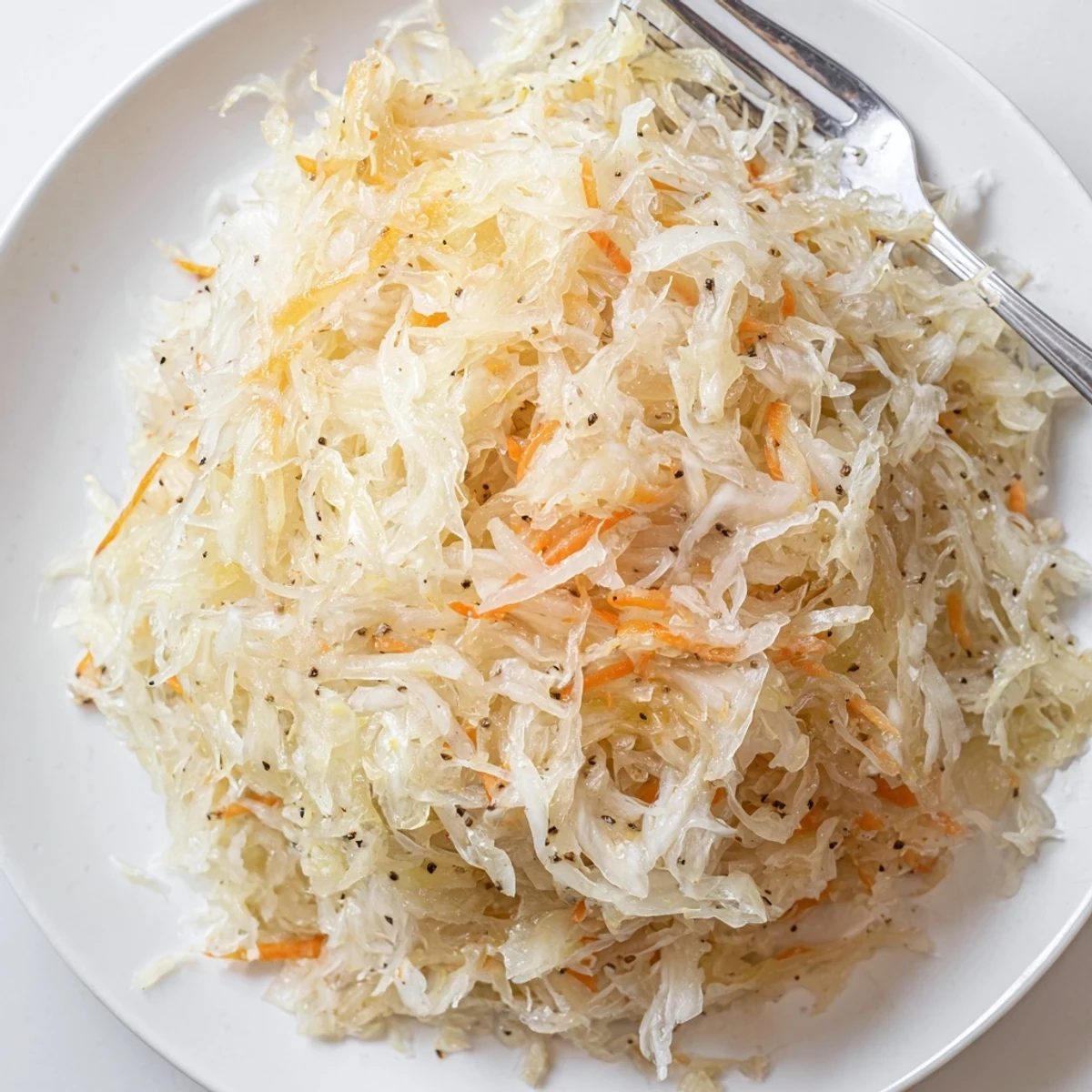
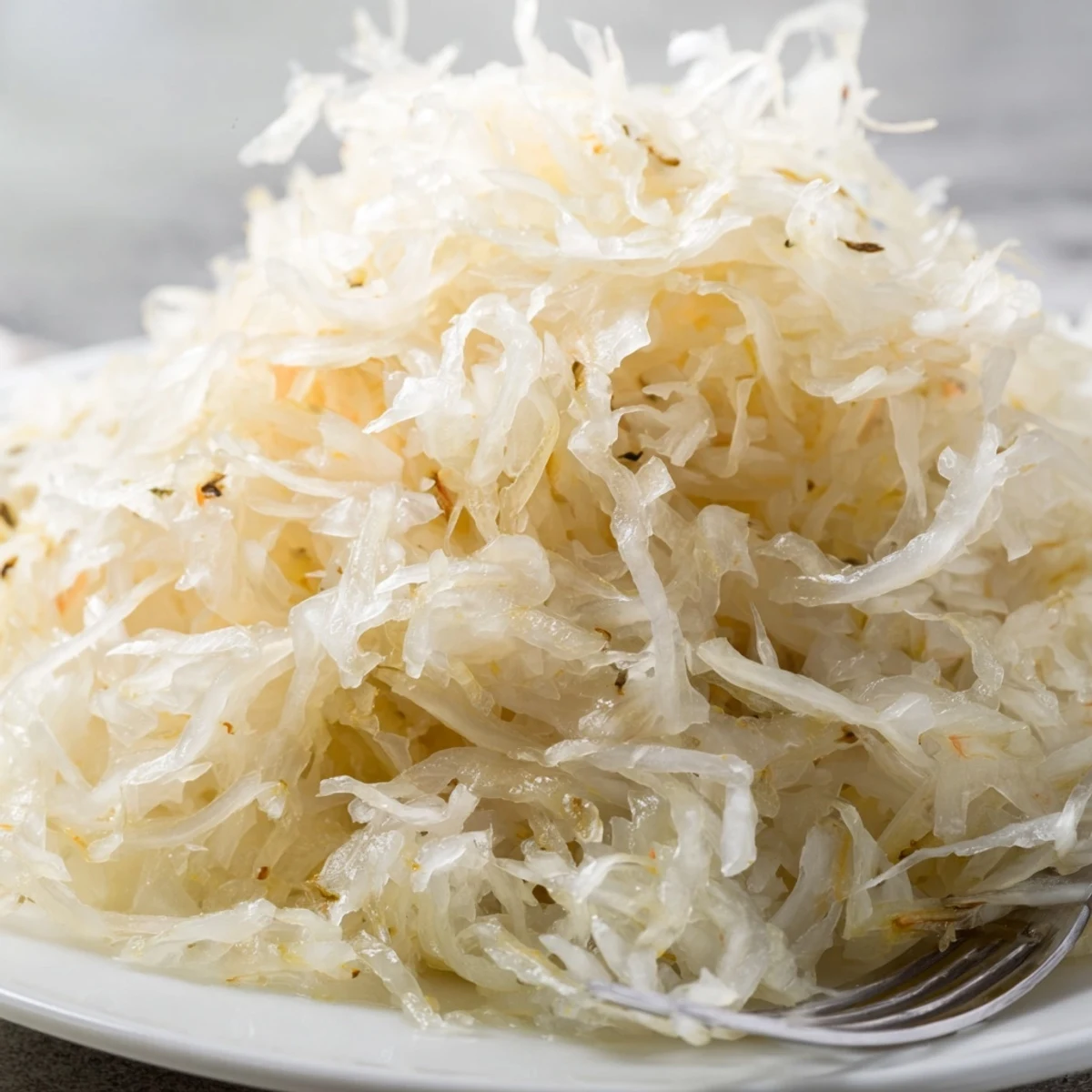
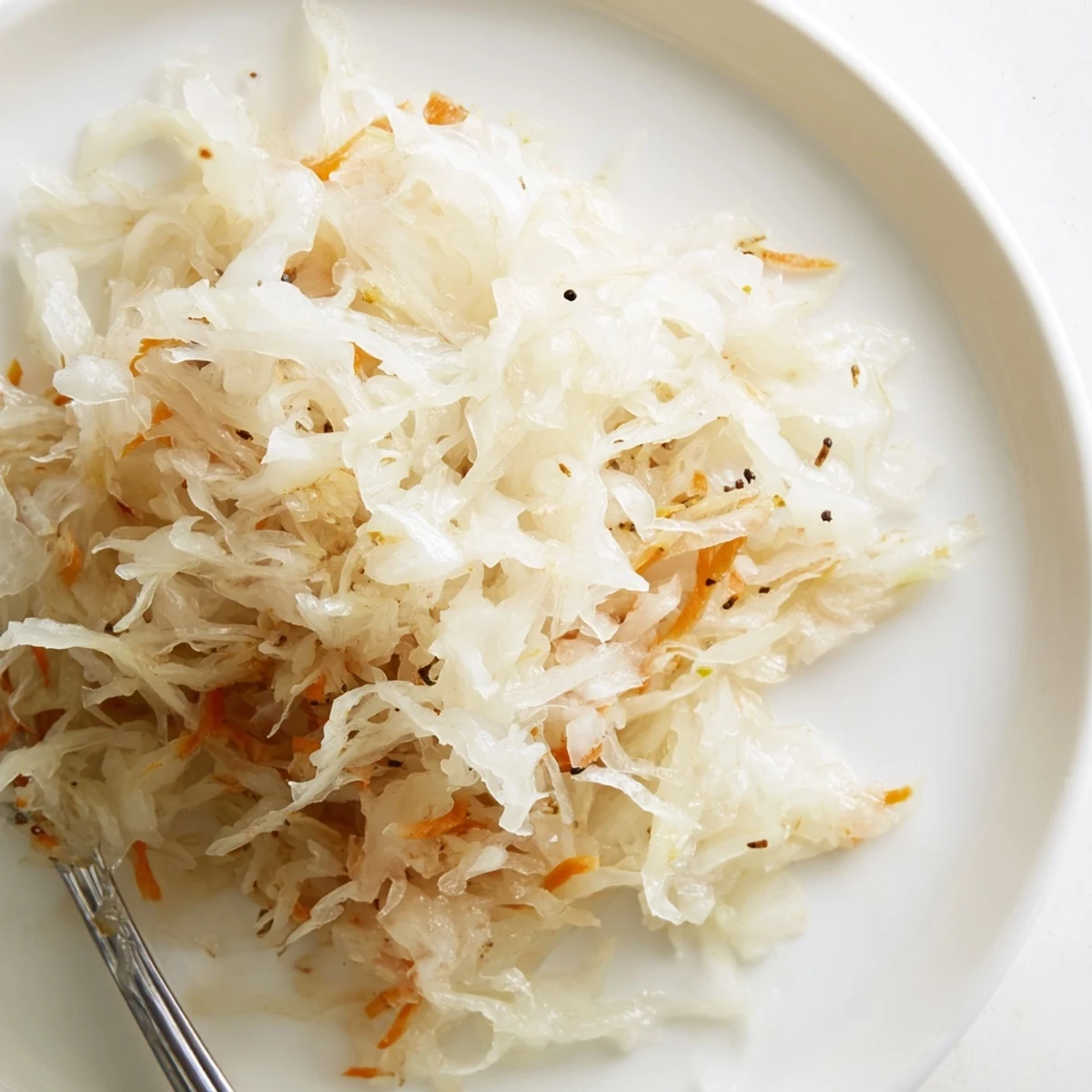
Save Create authentic German sauerkraut using time-honored fermentation techniques that transform simple cabbage into a tangy, probiotic-rich condiment. This traditional method requires only white cabbage and sea salt, though caraway seeds, carrots, or apples can be added for variation. The process involves massaging salt into shredded cabbage until natural brine forms, then packing it tightly for a 7-21 day fermentation period. The result is a versatile accompaniment perfect alongside sausages, pork dishes, or roasted potatoes, offering both distinctive flavor and digestive benefits.
The smell hit me before I even opened the jar, sharp and electric, like something alive had been waiting inside that dark glass mouth.
My neighbor Gerda watched me massaging cabbage on my kitchen counter one October afternoon and laughed, telling me my technique was passable for a beginner.
Ingredients
- White cabbage (2 kg): Choose dense, heavy heads with tight outer leaves because they yield the most juice during fermentation.
- Fine sea salt (30 g, about 2 tablespoons): The salt draws out moisture and creates the brine that protects your ferment, so measure carefully and never use iodized salt.
- Caraway seeds (1 tablespoon, optional): These add a warm, earthy note that turns plain sauerkraut into something that tastes like it came from a Bavarian kitchen.
- Grated carrot or thinly sliced apple (optional): A small amount adds subtle sweetness that balances the aggressive tang beautifully.
Instructions
- Prep the cabbage:
- Peel away any wilted or damaged outer leaves, cut the head into quarters, carve out the tough core, and slice the quarters as thinly and evenly as your knife allows.
- Salt and massage:
- Toss the shredded cabbage with salt in a large bowl, then work it with your hands for five to ten minutes until the volume drops and pools of liquid begin forming at the bottom.
- Add optional flavors:
- Scatter in caraway seeds, grated carrot, or thin apple slices now, folding them through the cabbage so they are evenly distributed before packing begins.
- Pack the vessel:
- Press the cabbage and every drop of its juice into a sterilized crock or jar, pushing firmly with your fists or a tamper until the brine rises above the cabbage level.
- Weigh it down:
- Set a fermentation weight or a clean small jar filled with water directly on top to keep every shred submerged, because anything exposed to air will spoil rather than ferment.
- Cover and wait:
- Drape a cloth or secure a fermentation lid over the vessel and set it in a cool, dim spot between eighteen and twenty two degrees Celsius for seven to twenty one days, tasting after the first week until the tang suits you.
- Store and serve:
- Once the flavor reaches the sourness you want, move the jar to the refrigerator and serve the sauerkraut chilled or at room temperature alongside sausages, roasted potatoes, or whatever feels right.
 Save
Save When I finally cracked open my first successful batch and tasted that clean, bright sourness, I understood why people had been trusting cabbage and salt to do this work for thousands of years.
Choosing the Right Cabbage
Look for heads that feel heavy for their size with tightly packed, pale green leaves.
Temperature and Patience
Warmer rooms speed up fermentation and cooler rooms slow it down, so the same batch can taste completely different depending on where you set it.
Serving and Storing
Properly fermented sauerkraut keeps for months in the refrigerator and actually improves in flavor during the first few weeks of cold storage.
- Always use a clean fork each time you scoop some out to avoid introducing unwanted bacteria.
- Let refrigerated sauerkraut sit at room temperature for fifteen minutes before serving to fully release its aroma.
- If the brine level drops over time, top it up with a light salt solution to keep the cabbage protected.
 Save
Save A jar of homemade sauerkraut sitting in your fridge is a small act of defiance against every plastic wrapped, mass produced version on the supermarket shelf.
Recipe FAQs
- → How do I know when my sauerkraut is ready to eat?
-
Start tasting your sauerkraut after 7 days of fermentation. When it reaches your desired level of tanginess, transfer it to the refrigerator. The flavor will continue developing slowly in cold storage, but refrigeration essentially pauses the fermentation process.
- → What should I do if mold appears on the surface?
-
Surface mold can occur if cabbage isn't fully submerged. Simply skim off any mold from the top layer. The sauerkraut underneath should be fine if it was properly submerged and smells pleasant. Always discard if the odor is unpleasant or the texture seems slimy.
- → Can I use different types of cabbage?
-
White cabbage is traditional and provides the best fermentation results due to its crisp texture and ideal sugar content. Red cabbage works but produces a softer texture and more intense color. Napa cabbage creates a milder flavor but softer final product.
- → Why is my sauerkraut too salty or not salty enough?
-
The standard ratio is about 1.5-2% salt by weight of cabbage. For 2 kg cabbage, use approximately 30 g salt. Too much salt inhibits fermentation, while too little allows harmful bacteria growth. Taste the brine before packing—it should taste pleasantly salty, not overpowering.
- → How long does homemade sauerkraut last in the refrigerator?
-
Properly fermented and refrigerated sauerkraut typically keeps 4-6 months. Always use clean utensils when serving to avoid contamination. If the odor becomes unpleasant, texture changes significantly, or visible mold appears beyond the surface, discard the batch.
- → Do I need special equipment for making sauerkraut?
-
While fermentation crocks and weights are ideal, you can use any large glass jar with a wide mouth. A smaller jar filled with water works as a weight. The key is creating an anaerobic environment where cabbage stays submerged in its own brine throughout fermentation.