
 Save
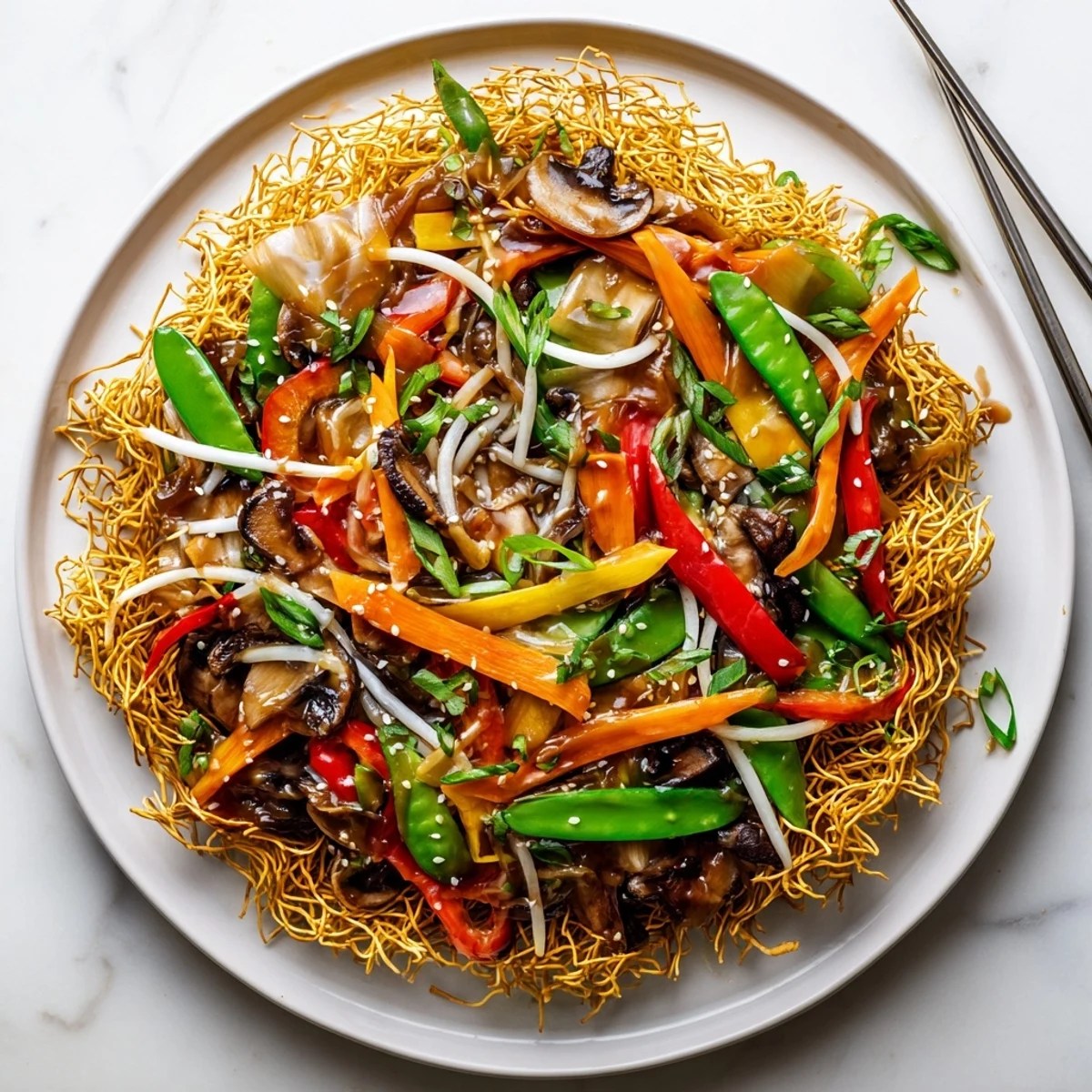
Save This dish delivers the perfect contrast of textures—golden crispy fried noodles topped with vibrant tender-crisp vegetables in a rich savory sauce. The vegetables retain their bright colors and slight crunch while absorbing the umami flavors of soy, hoisin, and sesame. Each bite combines satisfying crunch from the noodles with the fresh sweetness of bell peppers, carrots, snow peas, and mushrooms. The sauce brings everything together with aromatic garlic and ginger, creating depth and complexity. Ready in just 40 minutes, this Chinese-inspired main serves four generously and adapts easily with tofu, tempeh, or your favorite seasonal vegetables.
The sizzle of noodles hitting hot oil still takes me back to my first tiny apartment kitchen, where I learned that restaurant-quality chow mein was actually achievable at home. I remember hovering over my cheap electric stove, nervous about burning the noodles, but that first batch came out golden and outrageously crispy. My roommate wandered in asking what smelled so incredible, and suddenly we were both digging in straight from the pan. That night sparked a love affair with crispy noodle dishes I have never quite gotten over.
Last winter my friend Sarah was recovering from surgery and craving comfort food but something vibrant and nourishing. I brought over a huge platter of this chow mein, and she texted me later saying it was the first thing that actually made her feel like herself again. The combination of textures somehow felt healing and satisfying all at once.
Ingredients
- 200 g dried chow mein noodles: These thin wheat noodles are essential for achieving that signature restaurant-style crispy texture without getting gummy
- 2 tbsp vegetable oil: Split between frying the noodles and stir-frying vegetables, this neutral oil lets other flavors shine while preventing sticking
- 1 medium red bell pepper: Brings sweetness and vibrant color that makes the dish feel celebratory even on a Tuesday
- 1 medium carrot: Julienned thin, these add a subtle crunch and natural sweetness that balances the savory sauce
- 100 g snow peas: Their crisp texture holds up beautifully in stir-frying and adds fresh green color
- 100 g shiitake or button mushrooms: These absorb the savory sauce and provide meaty umami depth
- 1 small yellow onion: The foundation of flavor that becomes sweet and tender when stir-fried
- 1 cup bean sprouts: Add incredible crunch and fresh element right at the end
- 2 spring onions: Use some in cooking and save the greenest parts for a fresh garnish pop
- 3 tbsp soy sauce: The salty backbone of our sauce that brings everything together
- 1 tbsp oyster sauce: Adds rich umami depth, look for vegetarian versions if needed
- 1 tbsp hoisin sauce: Contributes sweetness and that authentic Chinese takeout flavor
- 1 tbsp sesame oil: A little goes a long way for that irresistible nutty aroma
- 1 tsp sugar: Balances the saltiness and helps vegetables caramelize slightly
- 2 cloves garlic: Freshly minced releases way more flavor than pre-minced jars
- 1 tsp fresh ginger: Grated fresh brings warmth and zing that powdered ginger cannot match
- 2 tbsp water: Thins the sauce just enough to coat everything evenly
- 1 tsp cornstarch: The secret to getting that glossy restaurant-style sauce consistency
- 1 tbsp toasted sesame seeds: Optional garnish that adds nutty crunch and makes it look fancy
- Fresh coriander leaves: Bright herbal finish that cuts through the rich sauce
Instructions
- Cook and prep the noodles:
- Boil noodles according to package directions, then drain and rinse under cold water to stop cooking and prevent sticking
- Create the crispy noodle cake:
- Heat 1 tablespoon oil in a large nonstick skillet over medium-high heat, spread noodles in an even layer and fry undisturbed for 4 to 5 minutes until deep golden and crispy on bottom
- Flip and finish frying:
- Carefully flip the noodle cake and fry the other side for 2 to 3 minutes until crispy all over, then transfer to a plate
- Whisk together the sauce:
- Combine soy sauce, oyster sauce, hoisin sauce, sesame oil, sugar, garlic, ginger, water, and cornstarch in a small bowl until smooth
- Stir-fry the harder vegetables:
- Wipe out the skillet and heat remaining oil over high heat, add onions and carrots and stir-fry for 2 minutes until they start to soften
- Add remaining vegetables:
- Toss in bell pepper, mushrooms, and snow peas and stir-fry for another 3 to 4 minutes until tender-crisp and vibrant
- Thicken the sauce:
- Pour the sauce mixture into the vegetables and stir constantly for about 1 minute until glossy and thickened
- Add fresh elements:
- Stir in bean sprouts and half the spring onions just until combined and slightly warmed through
- Assemble and serve:
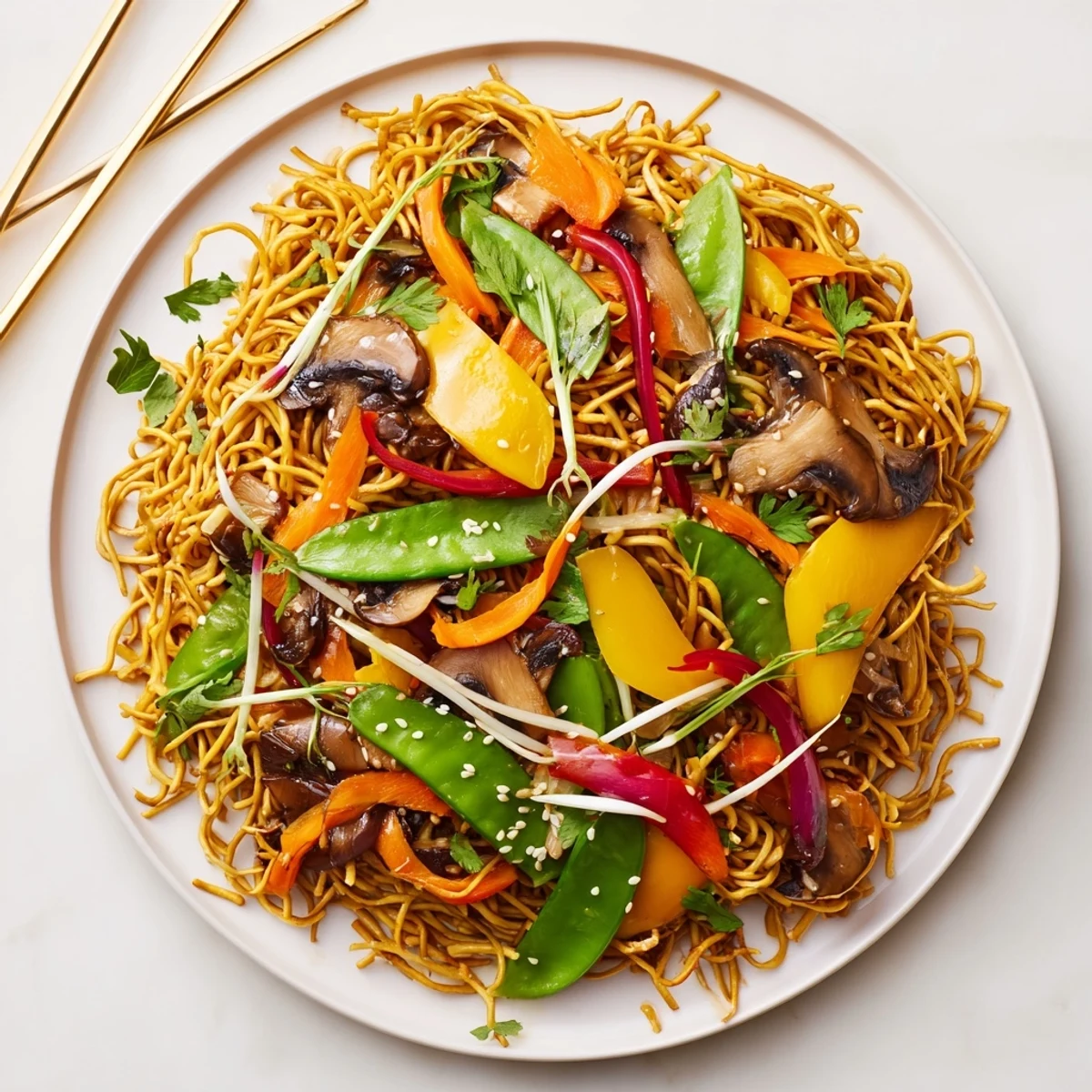
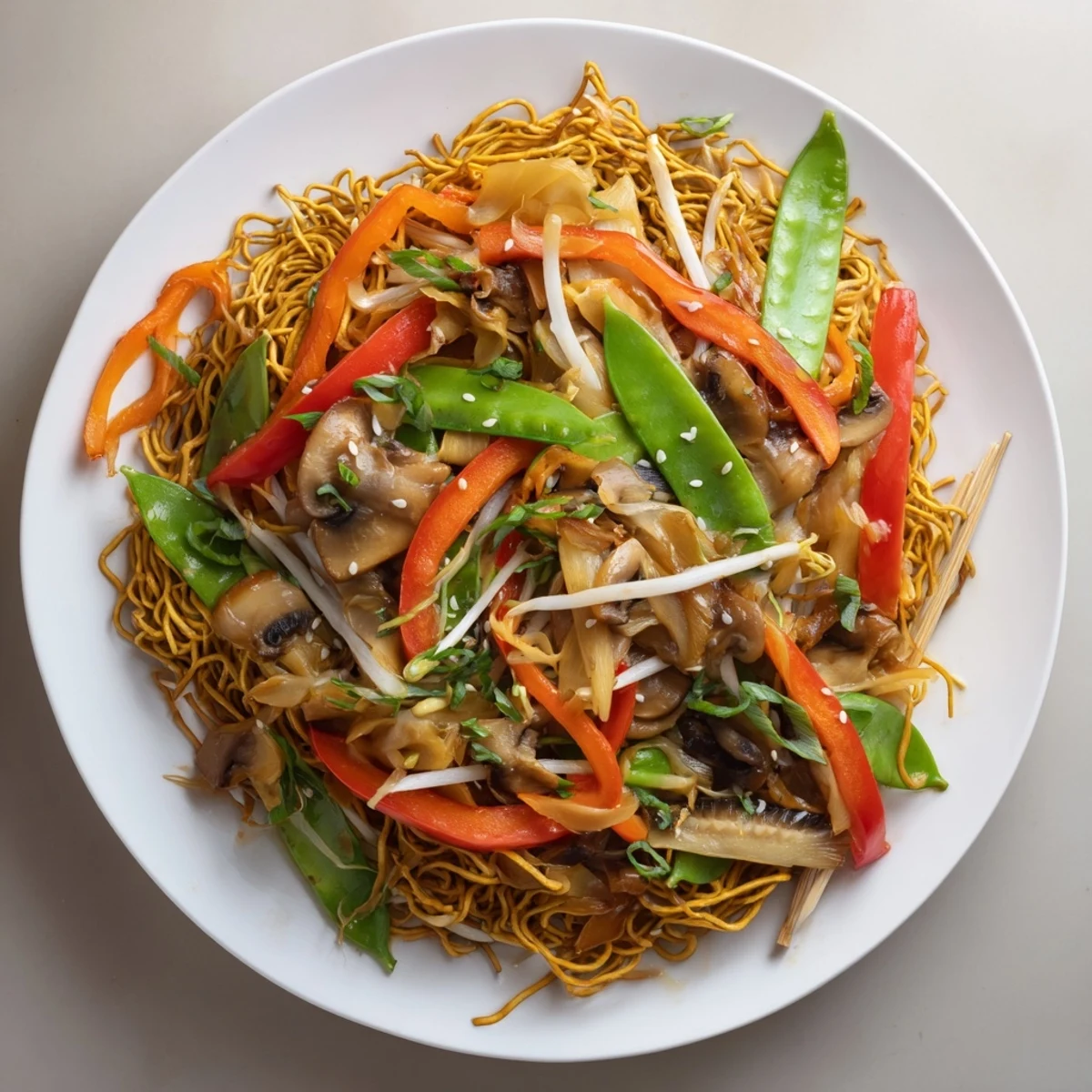
- Arrange crispy noodles on a serving platter, top with the saucy vegetables, and garnish with remaining spring onions, sesame seeds, and coriander
 Save
Save My daughter now requests this for her birthday dinner every year, and I love that something so simple became such a tradition in our house. The way she lights up when she hears the noodles sizzling makes all the vegetable prep worth it.
Getting That Restaurant-Style Crisp
The difference between good chow mein and great chow mein comes down to confidence when frying the noodles. I used to be afraid of high heat and would constantly check the bottom, which prevented the crust from forming. Once I learned to walk away for those crucial 4 minutes, everything changed. The key is listening for the steady sizzle that tells you the moisture is evaporating and the crisping is happening.
Vegetable Timing Secrets
Not all vegetables should hit the wok at the same time, and this is where many home stir-fries go wrong. Dense vegetables like carrots and onions need that head start to become tender without turning other ingredients into mush. Snow peas and bell peppers cook quickly, so adding them later preserves their crunch and bright color. This staggered approach keeps each vegetable at its perfect texture.
Sauce Balance Mastery
The perfect stir-fry sauce hits five distinct flavor notes: salty from soy sauce, sweet from hoisin and sugar, umami from oyster sauce, aromatic from garlic and ginger, and rich from sesame oil. I keep tasting spoons handy when whisking the sauce together because every brand of soy sauce has different salt levels. Your sauce should taste slightly more intense than you want the final dish to be, since it will mellow when tossed with all those vegetables.
- Mix your sauce ahead and let it sit while you prep vegetables to allow flavors to meld
- If your sauce seems too thick after adding to the pan, splash in one more tablespoon of water
- Always toss the noodles with sauce at the very last second to maintain their crispy texture
 Save
Save I hope this recipe brings as many sizzling, satisfying moments to your kitchen as it has to mine. There is something magical about transforming simple ingredients into a dish that makes people pause and say wow.
Recipe FAQs
- → How do I get the noodles extra crispy?
-
Fry the cooked noodles in a hot nonstick skillet or wok without stirring for 4–5 minutes until the bottom turns golden and crunchy. Flip carefully and crisp the other side for 2–3 minutes. The key is letting them undisturbed to develop that signature texture.
- → Can I make this gluten-free?
-
Absolutely. Use tamari instead of soy sauce and choose certified gluten-free chow mein noodles. Double-check that your hoisin and vegetarian oyster sauces are also gluten-free, as some brands contain wheat-based ingredients.
- → What other vegetables work well?
-
Bok choy, broccoli florets, baby corn, sugar snap peas, and zucchini all complement this dish beautifully. Use whatever's in season or what you have on hand—just adjust cooking times so everything stays tender-crisp.
- → How do I store and reheat leftovers?
-
Store vegetables and noodles separately in airtight containers in the refrigerator for up to 3 days. Reheat vegetables in a skillet over medium heat. For the crispy noodles, refresh them in a hot oven or air fryer at 375°F for 5–7 minutes to restore their crunch.
- → Can I add protein?
-
Crispy tofu cubes, pan-fried tempeh, or seared strips of firm tofu make excellent additions. Add your protein when stir-frying the vegetables, cooking until heated through and lightly browned. Sliced chicken, shrimp, or beef also work if you prefer non-vegetarian options.