
 Save
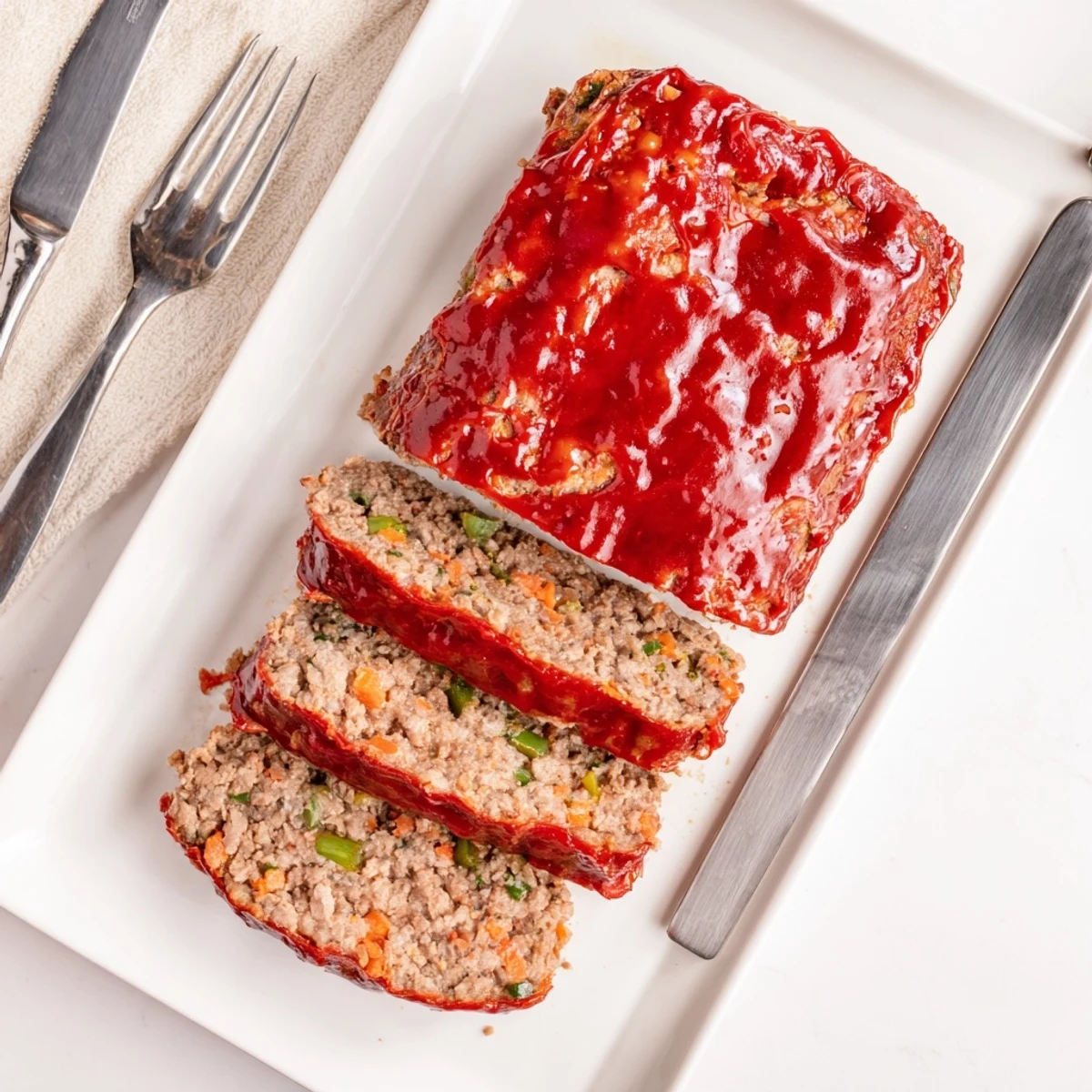
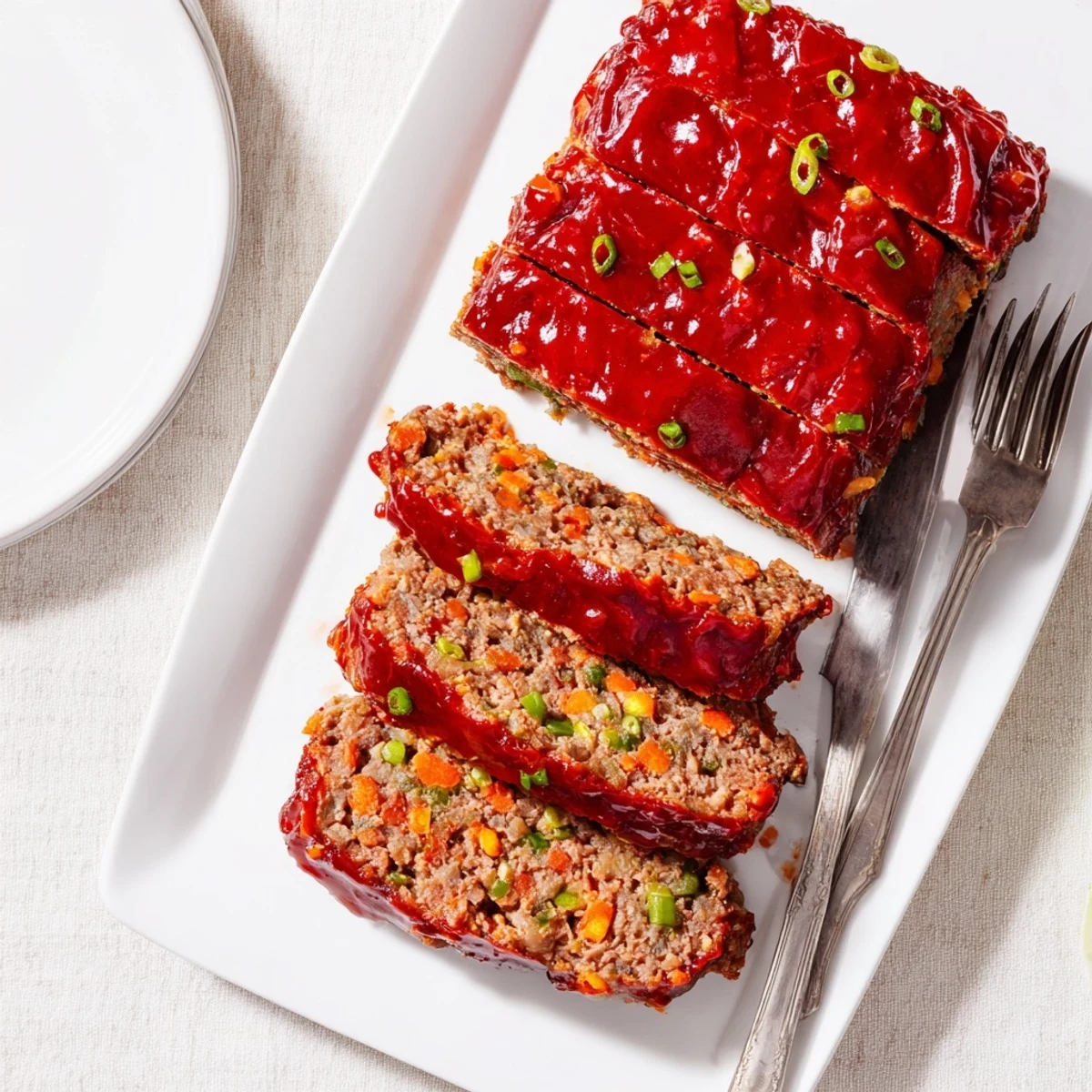
Save This Korean-inspired meatloaf combines ground beef and pork with panko breadcrumbs, aromatic vegetables, and gochujang for a moist, flavorful main. The signature glaze balances sweet honey, tangy ketchup, and savory soy sauce with the fermented chili paste's distinctive umami kick. After baking to 160°F, let it rest for clean slices. Perfect alongside steamed rice and kimchi, or enjoy leftovers in sandwiches the next day.
The first time I made this Korean meatloaf, my apartment smelled like a fusion of my grandmother Sunday dinners and that tiny Korean spot downtown where I first fell in love with gochujang. The glaze bubbled up thick and shiny, catching the oven light just so, and I remember standing there watching it through the glass door, mesmerized. My roommate wandered in, nose in the air, asking what kind of magic was happening in our kitchen. That night, we stood at the counter eating straight from the pan with forks, burning our tongues because we could not wait even five minutes.
I brought this to a potluck last winter, and people kept asking me for the recipe between bites. Someone actually went back for thirds, which never happens with regular meatloaf. The best part was watching my friend who claims to hate meatloaf take that first hesitant bite, then immediately reach for the serving spoon. Now whenever I see gochujang in my fridge, I think about that night and how the simplest twist on comfort food can turn it into something people talk about weeks later.
Ingredients
- 1 ½ lbs ground beef (80/20): The fat ratio matters here, lean meat will dry out and you want those juices keeping everything tender
- ½ lb ground pork: This is the secret weapon for texture, pork adds moisture and a slight sweetness that beef alone cannot provide
- 1 cup panko breadcrumbs: Panko absorbs milk without getting gummy, creating little air pockets that keep the loaf light
- 2 large eggs: Room temperature eggs bind everything together better than cold ones straight from the fridge
- ½ cup whole milk: Soaking the panko in milk first prevents the meatloaf from becoming dense or rubbery
- 4 green onions: Finely chopped so they distribute evenly, giving little bursts of mild onion flavor throughout
- 1 medium carrot: Grated finely enough that it almost disappears into the meat, adding sweetness and moisture
- 3 cloves garlic: Fresh garlic beats garlic powder here, it mellows as it bakes and becomes sweet rather than sharp
- 1-inch fresh ginger: Grate it against the grain to avoid fibrous strings in your meatloaf
- 2 tbsp gochujang: This Korean chili paste brings heat, sweetness, and that deep umami flavor that makes this dish special
- 2 tbsp soy sauce: Use a good quality soy sauce, cheap ones can make everything taste oddly metallic
- 1 tbsp toasted sesame oil: Toasted sesame oil is potent, a little goes a long way for that nutty background note
- 1 tsp salt: Even with soy sauce and gochujang, you still need salt to properly season the meat itself
- ½ tsp black pepper: Freshly ground makes a noticeable difference in depth of flavor
- 3 tbsp gochujang: For the glaze, this builds that signature red color and spicy kick
- 2 tbsp ketchup: Adds body and a familiar sweetness that balances the intense gochujang flavor
- 2 tbsp honey: Honey helps the glaze caramelize and creates that gorgeous sticky finish
- 1 tbsp soy sauce: A splash of soy in the glaze keeps it from becoming too sweet
- 1 tbsp rice vinegar: Cuts through the richness and brightens up the whole glaze
- 1 tsp toasted sesame oil: That final drizzle of nuttiness that makes people ask what is in this
Instructions
- Preheat your oven:
- Set it to 375°F and line a 9x5 inch loaf pan with parchment paper, letting the paper hang over the sides for easy removal later.
- Mix the meatloaf base:
- Combine beef, pork, panko, eggs, milk, green onions, carrot, garlic, ginger, gochujang, soy sauce, sesame oil, salt, and pepper in a large bowl, mixing gently with your hands just until everything comes together.
- Shape the loaf:
- Press the mixture into your prepared pan, smoothing the top slightly but do not pack it down too tightly.
- Whisk the glaze:
- In a small bowl, stir together gochujang, ketchup, honey, soy sauce, rice vinegar, and sesame oil until smooth.
- First glaze application:
- Spread half the glaze evenly over the top of the meatloaf, reserving the rest for later.
- Bake until nearly done:
- Bake for 45 minutes until the glaze is bubbling and starting to brown at the edges.
- Add remaining glaze:
- Brush the rest of the glaze over the meatloaf and return it to the oven for 10 more minutes.
- Rest before slicing:
- Let the meatloaf sit for 10 minutes so the juices redistribute, otherwise they will all run out when you cut it.
 Save
Save My mom called me halfway through making this once, and I got distracted chatting while mixing. Ended up with the most tender meatloaf I had ever made because I forgot to overwork the meat. Sometimes mistakes teach you the best lessons.
Getting The Right Texture
The combination of beef and pork is non-negotiable for me now. I tried all beef once and missed that extra moisture and slight sweetness the pork brings. Also, letting the meatloaf rest is not optional, cutting into it hot is a rookie mistake that leaves you with dry slices and a pool of juice on your cutting board.
Making It Your Own
Sometimes I add a handful of chopped kimchi right into the meat mixture if I have some that needs using up. The fermentation adds this incredible depth that people notice but cannot quite put their finger on. You can also swap in ground turkey, but add an extra tablespoon of milk because turkey is much leaner.
Leftovers Worth Planning For
Cold meatloaf sandwiches the next day might be even better than the dinner itself. Stack thick slices between toasted bread with a little extra gochujang mayo and some pickled vegetables.
- The flavors actually develop overnight, so do not be afraid to make this a day ahead
- Slices reheat beautifully in a skillet, getting crispy edges while staying tender inside
- Freeze leftover portions wrapped individually for quick future meals
 Save
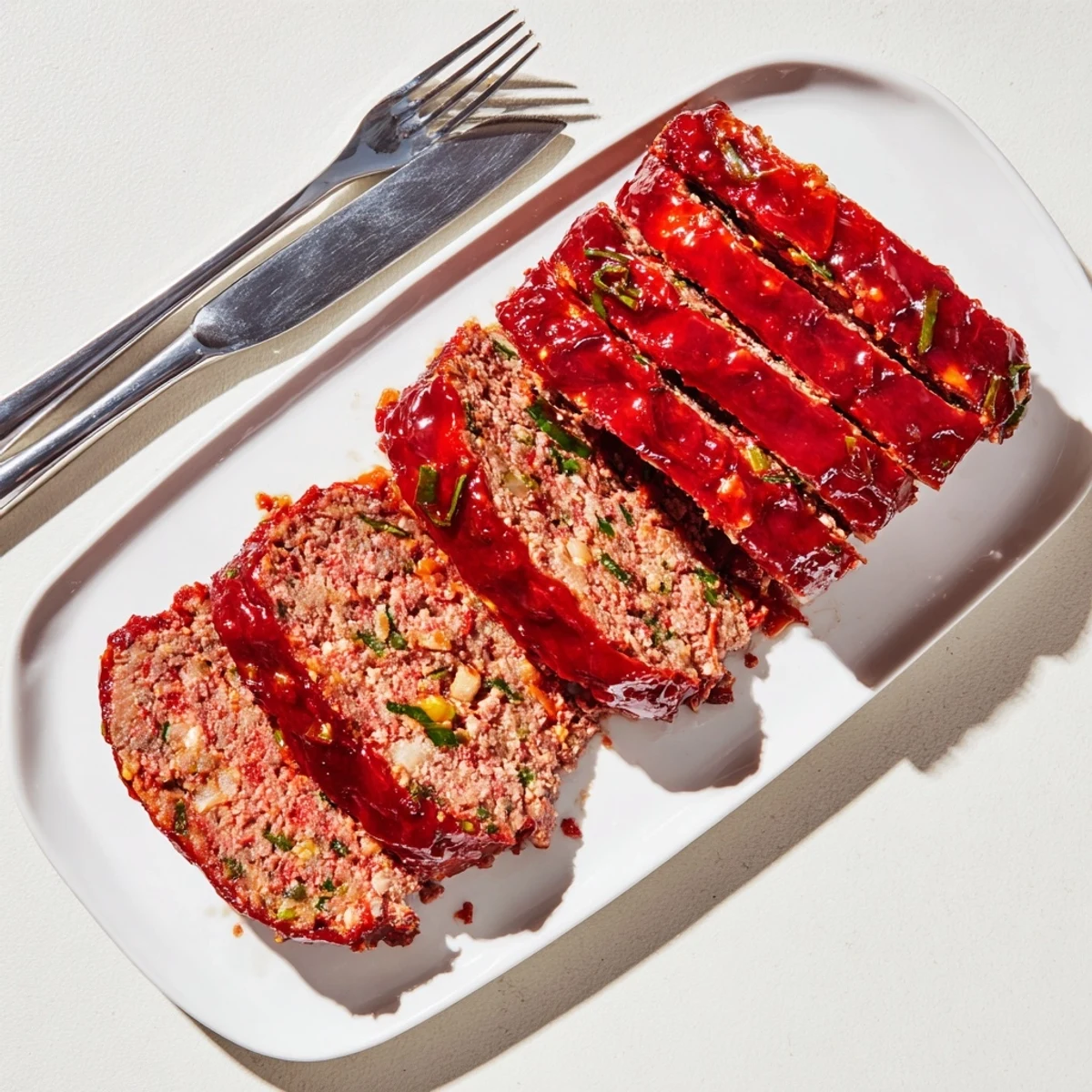
Save This recipe has become my go-to for bringing dinner to friends who need a meal, because it travels well, reheats perfectly, and always feels like something special rather than just another casserole.
Recipe FAQs
- → What makes this meatloaf Korean-style?
-
Gochujang (Korean fermented chili paste) provides the signature flavor, along with ginger, garlic, green onions, and sesame oil. These ingredients create the distinctive Korean taste profile.
- → Can I use only ground beef?
-
Yes, substitute the ground pork with an additional ½ pound of ground beef. The pork adds moisture and fat, so consider using a higher fat ratio beef (80/20) to maintain juiciness.
- → How spicy is the gochujang glaze?
-
The glaze offers mild to medium heat. Gochujang brings a gentle warmth rather than overwhelming spice. For more heat, add gochugaru (Korean chili flakes) to the meat mixture or glaze.
- → Why apply the glaze in two stages?
-
Applying half the glaze before baking allows it to caramelize into the meat. The second application creates a thick, sticky coating that develops a beautiful glossy finish during the final minutes.
- → What should I serve with this meatloaf?
-
Steamed white rice and kimchi make the classic pairing. Roasted vegetables like bok choy, broccoli, or Asian-style slaw also complement the bold flavors nicely.
- → How should I store leftovers?
-
Wrap cooled slices tightly and refrigerate for up to 4 days. The flavors actually improve after a day. Reheat gently in the microwave or enjoy cold in sandwiches.