
 Save
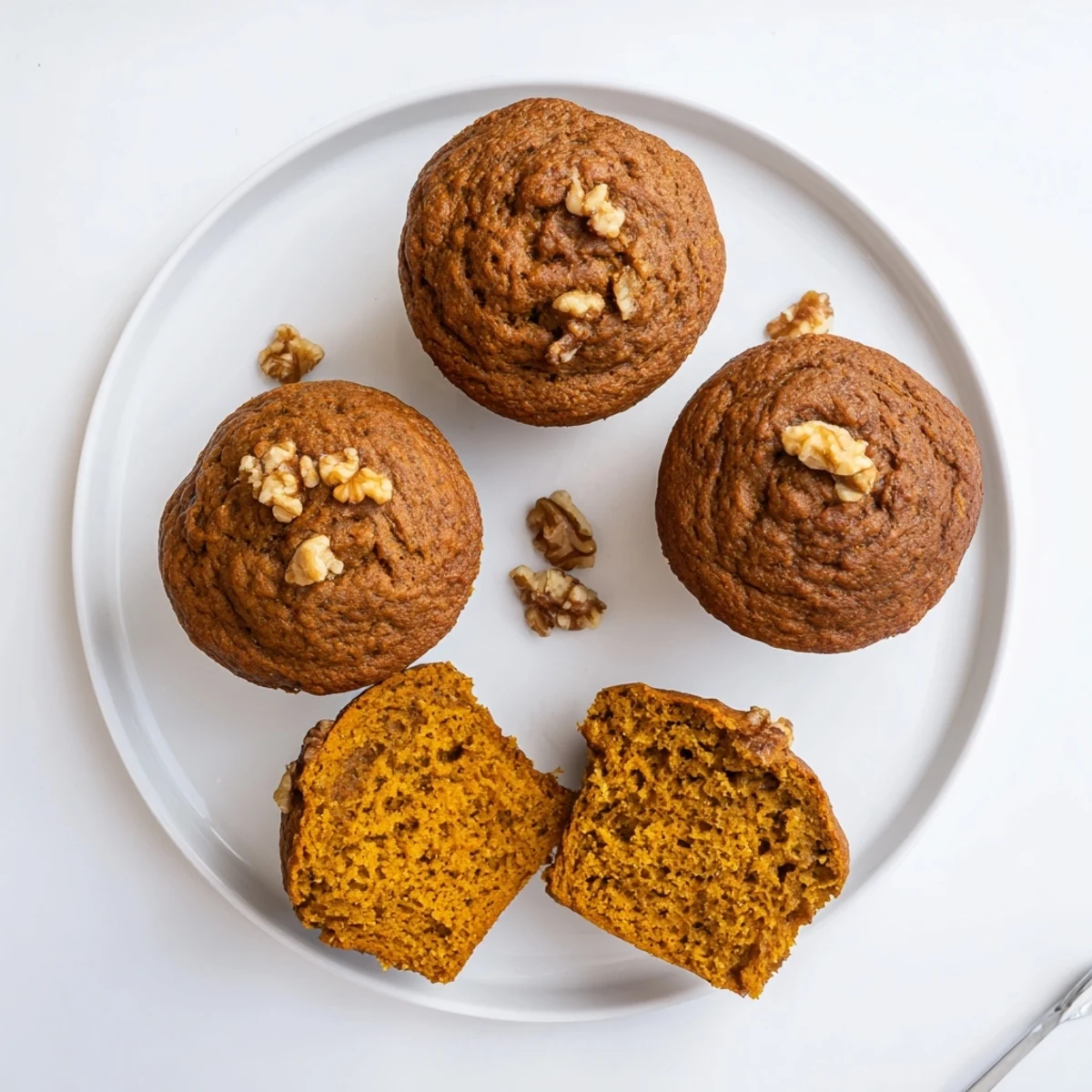
Save These moist muffins pair roasted butternut squash purée with mashed ripe banana, warm spices and a tender crumb. Roast peeled squash at 400°F until soft, purée and cool. Whisk dry ingredients separately; combine eggs, sugars, oil, vanilla, banana and squash, then fold into dry mix until just combined. Spoon into a lined tin and bake at 350°F for 22–25 minutes. Cool before serving; stir in nuts or chocolate chips if desired.
The smell of roasted butternut squash lingered in my kitchen one November afternoon, and rather than let the leftover puree sit in the fridge forgotten, I mashed it into a batch of banana muffin batter on a whim. What came out of the oven was something neither ingredient could have achieved alone, a golden crumb so tender it barely held together, tasting of autumn and comfort in equal measure. Now I deliberately roast extra squash every season just to keep a stash in the freezer for these. They have quietly become the most requested item in my house, disappearing faster than cookies or brownies ever could.
My neighbor stopped by one morning while I was pulling a tray of these from the oven, and she stood in the driveway with a mug of coffee just breathing in the cinnamon air. I handed her one warm muffin and she walked home with three, texting me an hour later asking for the recipe. That text thread now lives in my favorites folder.
Ingredients
- Butternut squash puree: Roasting the squash yourself instead of using canned gives a deeper, sweeter flavor that canned versions simply cannot match.
- Ripe bananas: The darker and more speckled the peel, the sweeter and more pronounced the banana flavor becomes in the batter.
- All purpose flour: Standard flour gives the most reliable crumb, though you can swap half for whole wheat if you prefer a heartier texture.
- Baking powder and baking soda: You need both here because the acid in the bananas activates the soda while the powder provides additional lift.
- Salt: Do not skip it, because salt is what makes the sweetness taste intentional instead of flat.
- Ground cinnamon: A full teaspoon sounds generous but it perfectly bridges the gap between banana and squash.
- Ground nutmeg: Just half a teaspoon adds a warmth that makes people close their eyes on the first bite.
- Large eggs: They bind the crumb and add richness, so make sure they are at room temperature for the best incorporation.
- Brown sugar: Packed firmly, it brings molasses depth that white sugar alone cannot provide.
- Granulated sugar: A smaller amount keeps the muffins from tasting too heavy or dark.
- Vegetable oil: Oil keeps these muffins softer than butter would, and melted coconut oil works beautifully if that is what you have.
- Pure vanilla extract: One teaspoon rounds out every flavor and makes the whole batter taste complete before it even goes in the oven.
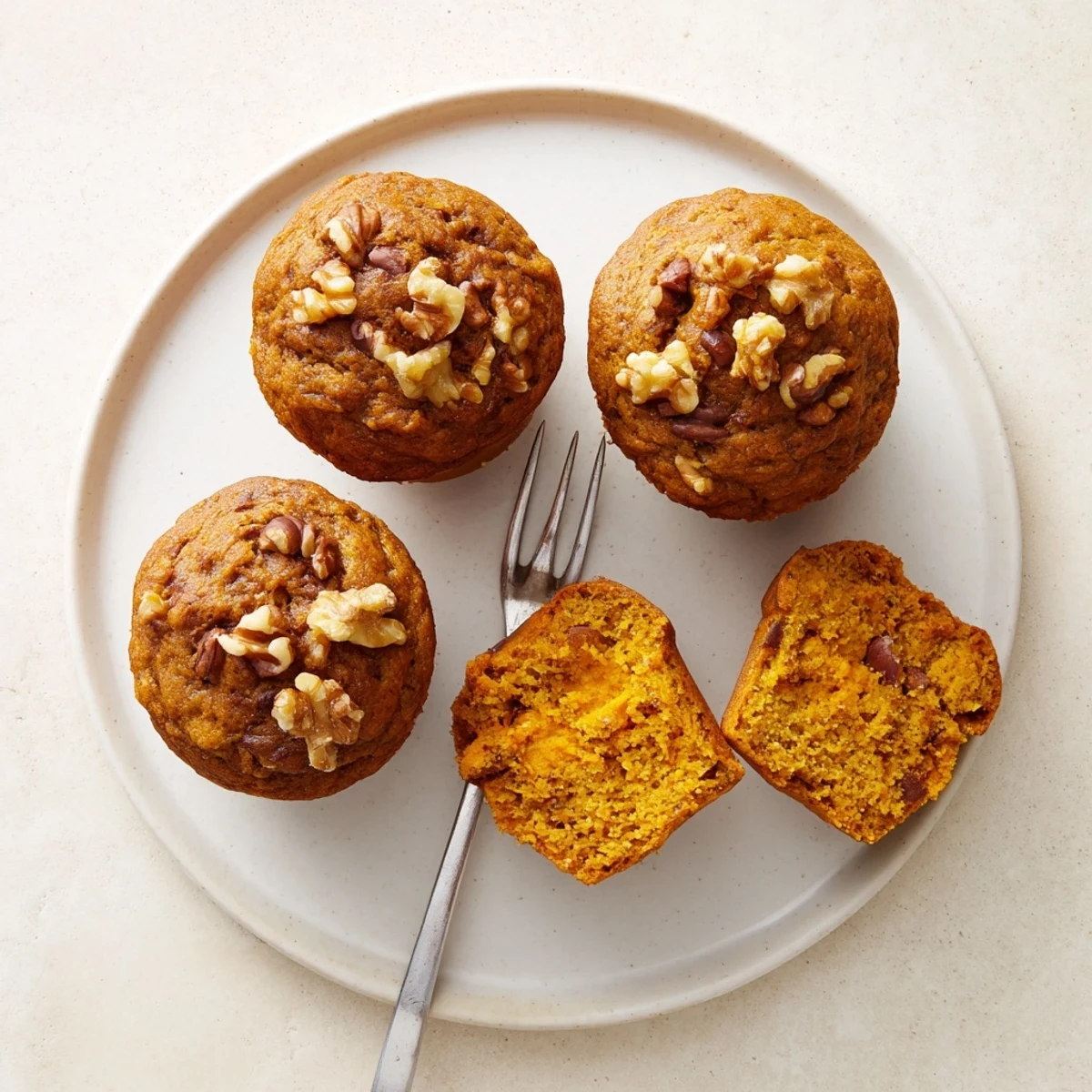
- Optional nuts or chocolate chips: Fold them in at the end for crunch or pockets of sweetness, whichever direction your mood takes you.
Instructions
- Prepare the oven and pan:
- Heat your oven to 350 degrees and line a twelve cup muffin tin with paper liners, or give each cup a quick spray with baking spray so nothing sticks later.
- Combine the dry ingredients:
- In a large bowl, whisk together the flour, baking powder, baking soda, salt, cinnamon, and nutmeg until evenly distributed and no clumps remain.
- Mix the wet ingredients:
- In a separate medium bowl, beat the eggs with both sugars until smooth and slightly thickened, then stir in the oil, vanilla, mashed bananas, and squash puree until everything looks like a unified orange mixture.
- Bring it all together:
- Pour the wet mixture into the dry ingredients and fold gently with a spatula just until you no longer see dry flour streaks, because overmixing is the fastest way to end up with tough muffins.
- Add your extras:
- Fold in the nuts or chocolate chips if you are using them, distributing them as evenly as you can with just a few strokes.
- Fill the muffin cups:
- Divide the batter evenly among the cups, filling each one about three quarters full so they have room to dome beautifully without overflowing.
- Bake until golden:
- Slide the pan into the center of your oven and bake for twenty two to twenty five minutes, testing with a toothpick that should come out clean when they are done.
- Cool properly:
- Let the muffins rest in the pan for five minutes so they set up, then move them to a wire rack to cool completely so the bottoms do not get soggy.
 Save
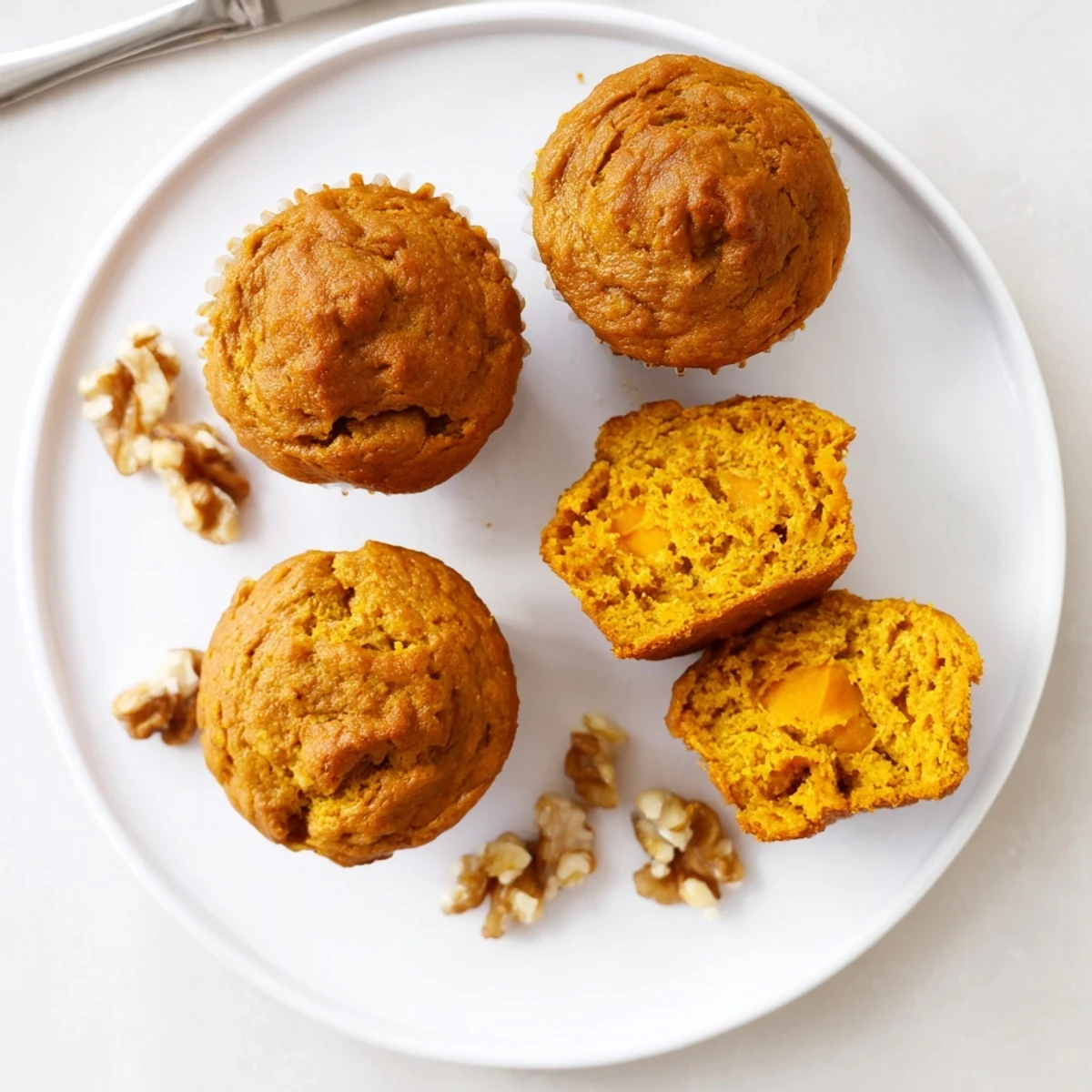
Save I packed a handful of these in a paper bag for a long car ride to visit family, and by the time I arrived the bag was empty and my daughter was asking if we could turn around and bake more. That quiet drive, stained napkins on the dashboard, warm sun through the windshield, is now what I picture every time I make them.
Making Your Own Squash Puree
Peel and cube a butternut squash into even pieces about an inch thick, toss them lightly with oil, and spread them on a baking sheet at 400 degrees for roughly thirty minutes. Once they are fork tender and slightly caramelized at the edges, blend them until perfectly smooth. Let the puree cool completely before measuring it into your batter, because warm puree can start cooking the eggs on contact.
Swaps and Substitutions
You can replace half the all purpose flour with whole wheat flour for a nuttier, more filling muffin that still stays moist. Coconut oil works in place of vegetable oil with no other adjustments needed. If you want to go dairy free, these already are, so nothing changes on that front. Maple syrup can replace the granulated sugar in a pinch, though you may want to reduce the oil slightly to balance the extra liquid.
Serving and Storing
These muffins are at their absolute best when still slightly warm, split open with a thin spread of butter that melts into the crumb. They keep well in an airtight container at room temperature for up to three days.
- Freeze cooled muffins in a zip top bag for up to three months and reheat them directly from frozen in a 300 degree oven for ten minutes.
- Sprinkle the tops with rolled oats or sunflower seeds before baking for a bakery style finish.
- Always let them cool completely on the rack before storing, because trapped steam is the enemy of a good muffin top.
 Save
Save Keep a batch of squash puree in your freezer and you are never more than forty minutes away from a kitchen that smells like everything good in the world. These muffins are proof that the best recipes come from using what you already have.
Recipe FAQs
- → How do I make butternut squash purée?
-
Peel and cube squash, toss with a little oil, roast at 400°F (200°C) until fork-tender (about 30 minutes), then blend or mash until smooth. Cool before using in batter.
- → Can I substitute whole wheat flour?
-
Yes. Replace up to half the all-purpose flour with whole wheat for extra fiber; expect a slightly denser crumb and a nuttier flavor. Avoid overmixing to keep muffins tender.
- → How can I tell when muffins are done?
-
Bake 22–25 minutes at 350°F (175°C). Muffins are done when the tops are springy and a toothpick inserted into the center comes out clean or with a few moist crumbs.
- → What mix-ins work well?
-
Chopped walnuts or pecans add crunch; chocolate chips bring sweetness. Rolled oats or seeds on top add texture. Fold add-ins in gently to avoid overmixing the batter.
- → How should I store and freeze them?
-
Store cooled muffins in an airtight container at room temperature for 2-3 days or refrigerate up to a week. Freeze cooled muffins individually wrapped for up to 3 months; thaw at room temperature.
- → Can I make these gluten-free?
-
Use a 1:1 gluten-free baking flour blend that contains xanthan gum or add a binder, and check that baking powder/soda are gluten-free. Texture may be slightly different but flavor remains.