
 Save
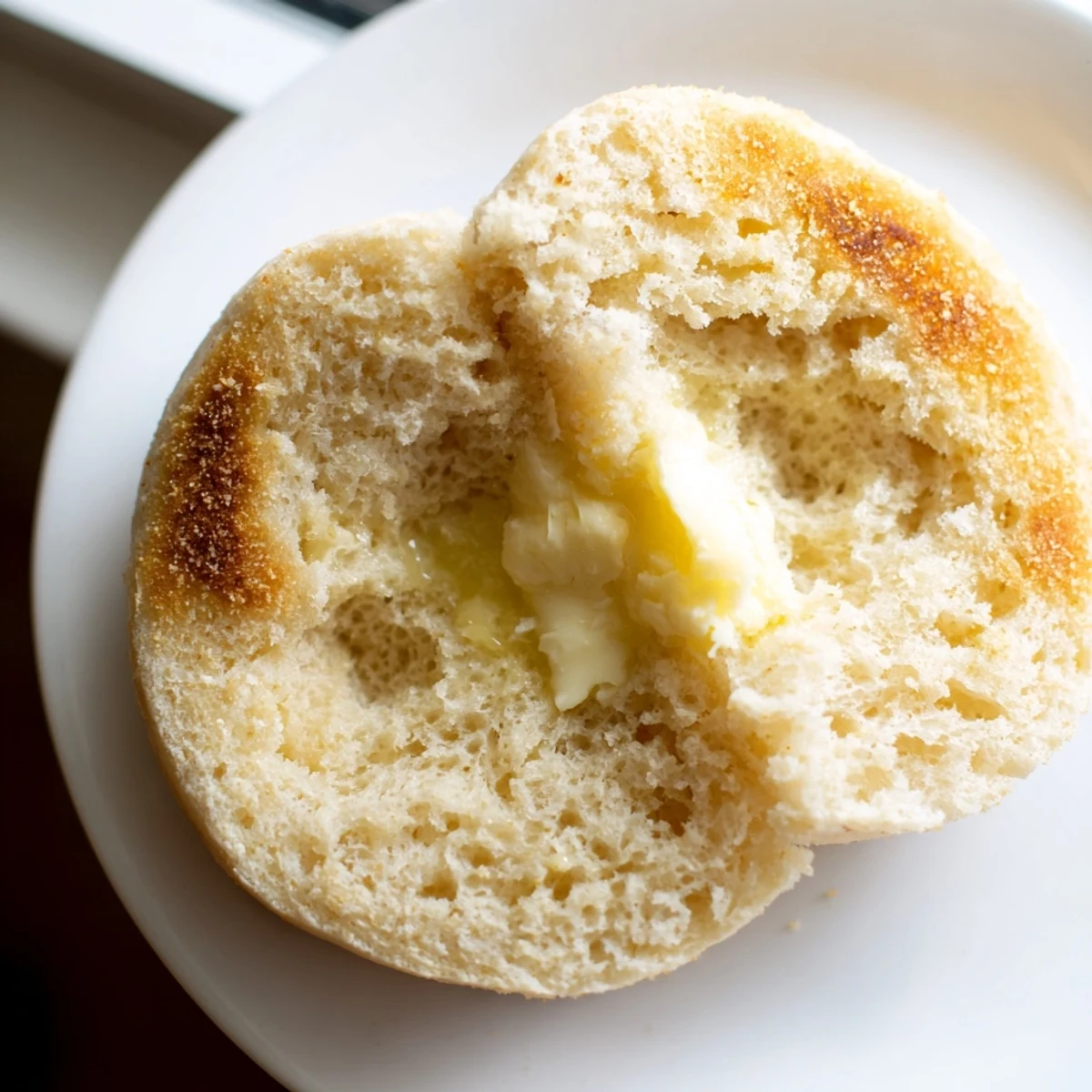
Save Create bakery-style English muffins in your own kitchen with this straightforward method. These beloved British breakfast classics feature soft, airy interiors surrounded by golden-brown crusts, with those characteristic craggy pockets that catch melted butter and jam perfectly.
The process involves a simple yeast dough enriched with milk and butter, kneaded until smooth and elastic. After rising, the dough is rolled and cut into rounds, then cooked on a griddle rather than baked. This stovetop method delivers that signature texture and color that makes English muffins so distinctive.
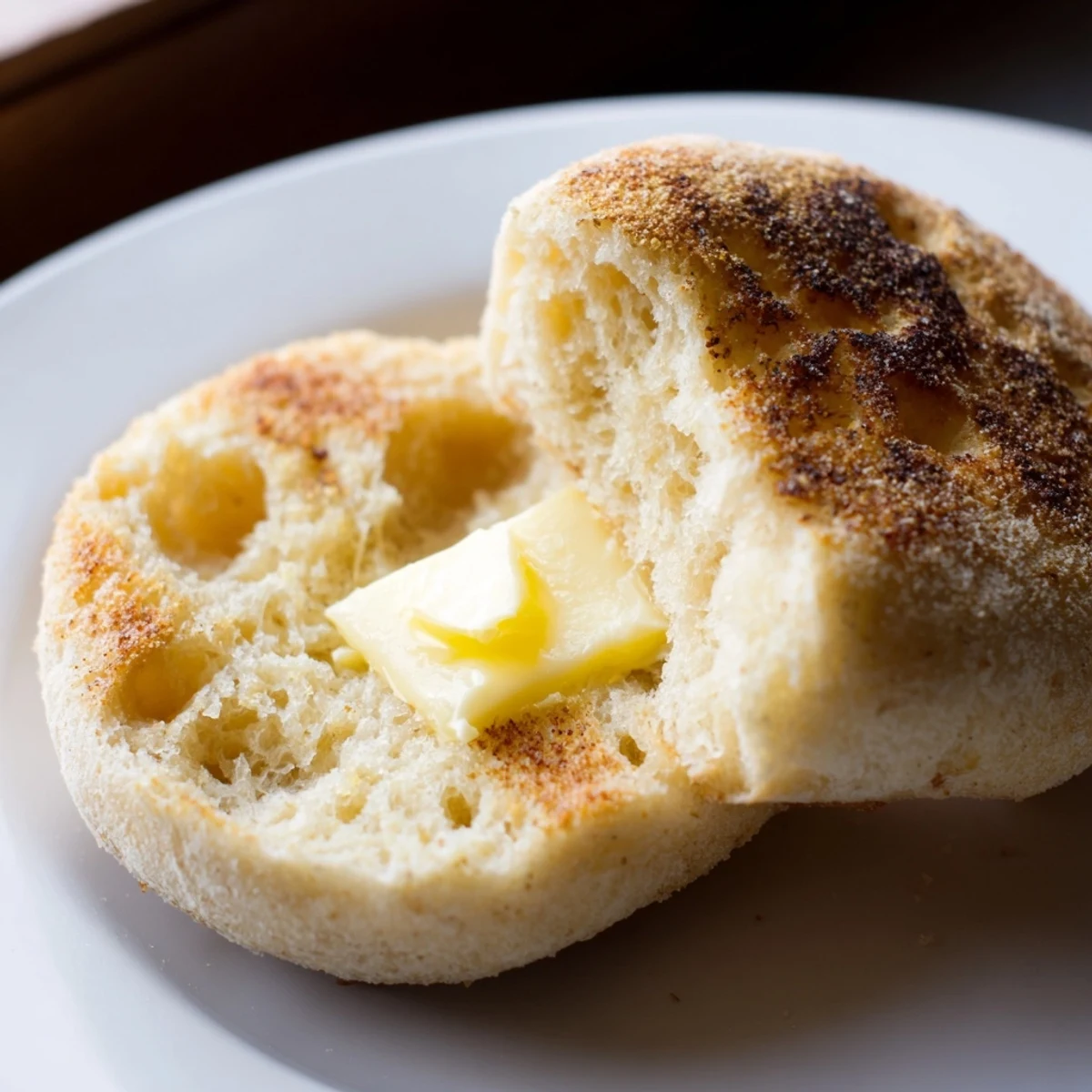
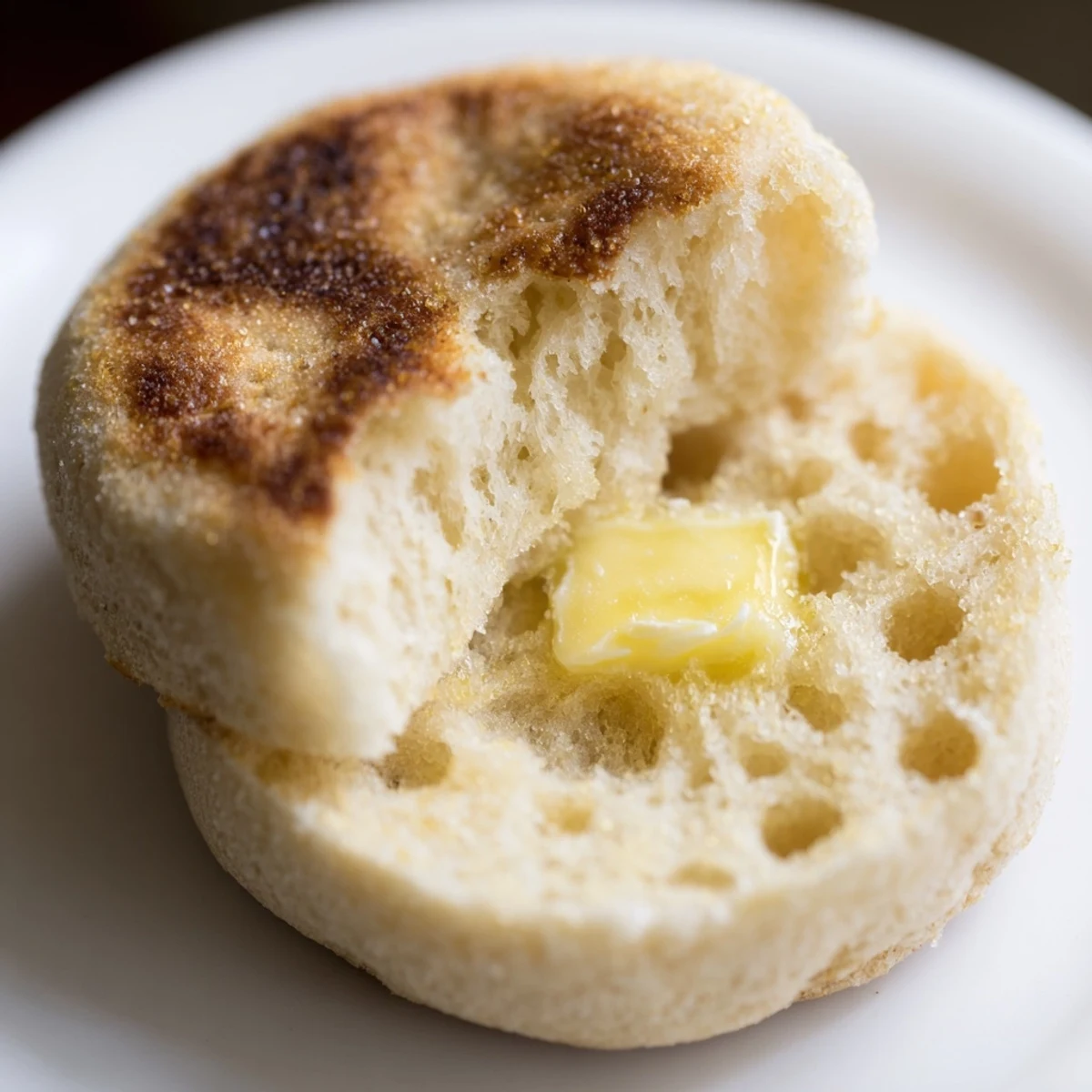
The key is cooking them slowly over moderate heat, allowing each side to develop deep golden color while ensuring the center cooks completely through. Split them with a fork rather than a knife to maximize those irresistible nooks and crannies, then toast until crisp and enjoy with your favorite toppings.
The smell of yeast blooming in warm milk always pulls me back to my grandmother's kitchen, where Sunday mornings meant homemade bread and patient hands teaching me that dough has its own timeline. These English muffins became my weekend ritual after I discovered how ridiculously simple they are to make, and how utterly nothing compares to the texture you get from your own kitchen. The first time I split one open with a fork and saw those cavernous nooks and crannies, I actually did a little victory dance in my apron.
I made these for a brunch last spring and watched my friend's eyes widen when she took her first bite. She kept asking what restaurant I'd bought them from, and when I told her I'd made them that morning, she demanded the recipe on the spot. There's something so satisfying about serving something so simple and so utterly perfect.
Ingredients
- Bread flour: The higher protein content gives these muffins their signature chew and structure
- Whole milk: Creates a tender crumb and adds richness that water just can't match
- Active dry yeast: Make sure it's fresh and bubbly, or your muffins won't rise properly
- Granulated sugar: Feeds the yeast and adds just a hint of sweetness
- Fine sea salt: Enhances flavor and helps strengthen the gluten structure
- Unsalted butter: Melted and mixed into the dough for subtle richness
- Cornmeal or semolina: This dusting prevents sticking and adds that classic English muffin texture
Instructions
- Awaken the yeast:
- Dissolve the yeast and sugar in lukewarm milk, then wait 5 to 10 minutes until it develops a frothy layer on top, which tells you it's alive and ready to work.
- Mix the dough:
- Combine flour and salt in a large bowl, create a well in the center, then pour in the bubbly yeast mixture and melted butter.
- Knead until smooth:
- Turn the shaggy dough onto a floured surface and knead for 8 to 10 minutes until it feels smooth and elastic, or let your stand mixer do the work with a dough hook for 5 to 6 minutes.
- First rise:
- Place the dough in a lightly oiled bowl, cover it with a clean towel, and let it rise in a warm spot for about 1 to 1.5 hours until it's doubled in size.
- Shape the muffins:
- Punch down the risen dough, roll it out to 3/4 inch thickness, then use a 3 inch round cutter to cut out circles, rerolling the scraps until you have about 8 muffins.
- Second proof:
- Dust a baking sheet with cornmeal, arrange the muffins with space between them, sprinkle more cornmeal on top, then cover and let them proof for 25 to 30 minutes until slightly puffed.
- Cook to golden perfection:
- Heat a skillet or griddle over low-medium heat, lightly grease it, then cook the muffins for 7 to 9 minutes per side until deeply golden and they reach 200°F internally.
 Save
Save These became my go-to for weekend breakfasts, especially when I want something that feels special but doesn't require hours of active work. My kids now request them by name, and there's something wonderful about watching them split their muffins with forks and load them with butter and jam.
The Secret to Perfect Texture
The cornmeal dusting isn't just traditional, it's functional. It creates a barrier between the dough and the pan, giving you that characteristic crunch on the exterior while keeping the inside incredibly soft. I've tried skipping it, and it's just not the same.
Storage and Freezing
These keep beautifully at room temperature for about three days, but I almost always freeze half the batch. Split them before freezing, then toast straight from frozen, and they taste like they just came off the griddle.
Serving Ideas
While butter and jam are classic, don't stop there. These make incredible sandwiches, and I've even used them for eggs Benedict when I'm feeling fancy. The texture holds up to just about anything you want to pile on top.
- Try them with avocado and a poached egg for a breakfast upgrade
- Use them for mini sliders at your next gathering
- Cube and toast them for the most incredible croutons you've ever had
 Save
Save There's something deeply satisfying about making something most people only buy from a store. Once you taste your first homemade English muffin, hot from the pan and slathered with butter, you'll understand why this recipe earned a permanent spot in my regular rotation.
Recipe FAQs
- → What makes English muffins different from regular bread?
-
English muffins are cooked on a griddle rather than baked in an oven, which creates their signature golden-brown crust on both sides. The dough contains milk and butter for richness, and they're intentionally split with a fork to preserve the characteristic nooks and crannies that make them perfect for holding melted butter and jam.
- → Why do I need to use cornmeal or semolina?
-
Cornmeal or semolina prevents the muffins from sticking to the baking sheet during proofing and adds a subtle texture to the exterior. It also contributes to that authentic bakery appearance and provides a light crunch when toasted.
- → Can I make the dough ahead of time?
-
Yes, you can prepare the dough and let it complete its first rise in the refrigerator overnight. The cold fermentation actually develops more flavor. Let the dough come to room temperature for about 30 minutes before rolling and cutting into muffins.
- → How do I know when the muffins are cooked through?
-
The muffins should feel firm and springy when pressed gently, not doughy. A digital thermometer inserted into the center should read 200°F (93°C). The exterior should be deep golden brown on both sides without burning.
- → Why split with a fork instead of a knife?
-
Using a fork to split English muffins preserves the textured nooks and crannies inside. A knife would cut through and compress these pockets, reducing the surface area available for butter and jam to cling to when toasted.
- → How should I store homemade English muffins?
-
Store cooled muffins in an airtight container at room temperature for up to 3 days. For longer storage, wrap individually and freeze for up to 2 months. Thaw at room temperature and toast before serving for best texture.